









The Hidden Threat Beneath Our Feet
Across India, beneath petrol pumps, industrial sites, and even some residential areas, lie thousands of underground storage tanks, or USTs. These large containers, typically made of steel, are the unseen workhorses of our economy, primarily holding petroleum
products like petrol and diesel. An underground tank system is defined as any tank and its connected piping that has at least 10% of its volume underground. Their prevalence is a matter of practicality and safety, keeping vast quantities of flammable liquids out of sight. However, as these tanks age, they can transform from a convenience into a significant environmental hazard, silently threatening the soil and water that communities depend on. A single pin-prick-sized hole can leak hundreds of gallons of fuel a year, making their integrity a critical public safety issue.
How a Steel Box Becomes a Leaking Sieve
The primary enemy of an underground storage tank is corrosion. Over time, the combination of moisture in the soil and the chemical properties of the stored fuel can cause steel tanks to rust and degrade. Many older tanks were installed with a typical lifespan of 15 to 25 years, and the probability of leaks increases dramatically with age. Leaks also occur due to faulty installation, physical damage from ground-level activities, or the failure of seals and piping. Even small leaks are profoundly damaging; it is estimated that just one gallon of petroleum can contaminate one million gallons of water, rendering it unsafe for consumption. Once leaked, toxic chemicals can move quickly through the soil and into the groundwater, the primary source of drinking water for over half the population.
The Coastal Multiplier Effect
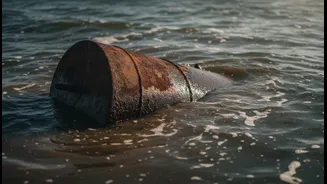
In coastal regions, the risks associated with leaking USTs are significantly amplified. The environment itself becomes an accelerant for contamination. Salty air and saltwater intrusion into the ground dramatically speed up corrosion on steel tanks. Furthermore, coastal areas naturally have a higher water table, meaning the groundwater is closer to the surface. This shortens the distance a leak has to travel to cause widespread contamination. This problem is being compounded by climate change. Rising sea levels push the water table even higher, shrinking the protective buffer of soil. Increased frequency of flooding and storm surges, which can physically damage or displace tanks, adds another layer of vulnerability, potentially leading to catastrophic releases of fuel into the environment.
From the Ground into Your Glass
The consequences of this contamination are severe. Petroleum products contain a cocktail of hazardous substances, including benzene, toluene, ethylbenzene, and xylene (collectively known as BTEX). Benzene is a known human carcinogen, linked to leukemia. Exposure to these chemicals, whether through drinking contaminated water or other pathways, can also harm the nervous and reproductive systems. The invisible nature of this threat makes it particularly dangerous. Contaminants can be present in water even at levels too low to be tasted or smelled. Beyond human health, these leaks can devastate local ecosystems, harm marine life, and cripple the fishing and tourism industries that are the economic lifeblood of many coastal communities.
Prevention, Detection, and the Path Forward
Addressing the threat of leaking USTs requires a proactive, multi-pronged approach. Modern regulations in many parts of the world now mandate the use of non-corrosive materials like fiberglass or coated steel with cathodic protection to prevent rust. Secondary containment systems, essentially a tank within a tank, and interstitial monitoring can catch leaks before they escape into the environment. Regular inspections, proper installation, and robust leak detection systems are crucial operational safeguards. For coastal areas, planning must account for the added risks of saltwater corrosion and rising groundwater tables. Ultimately, upgrading India's aging underground tank infrastructure is not just a matter of maintenance but a critical investment in public health and environmental protection for generations to come.