





Beyond the Gym: What is Convenient Protein?
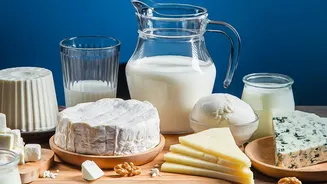
Forget the image of bodybuilders chugging chalky shakes. The new wave of convenient protein is designed for everyone. It includes everything from protein bars and ready-to-drink shakes to Greek yogurts, fortified breakfast cereals, and even high-protein
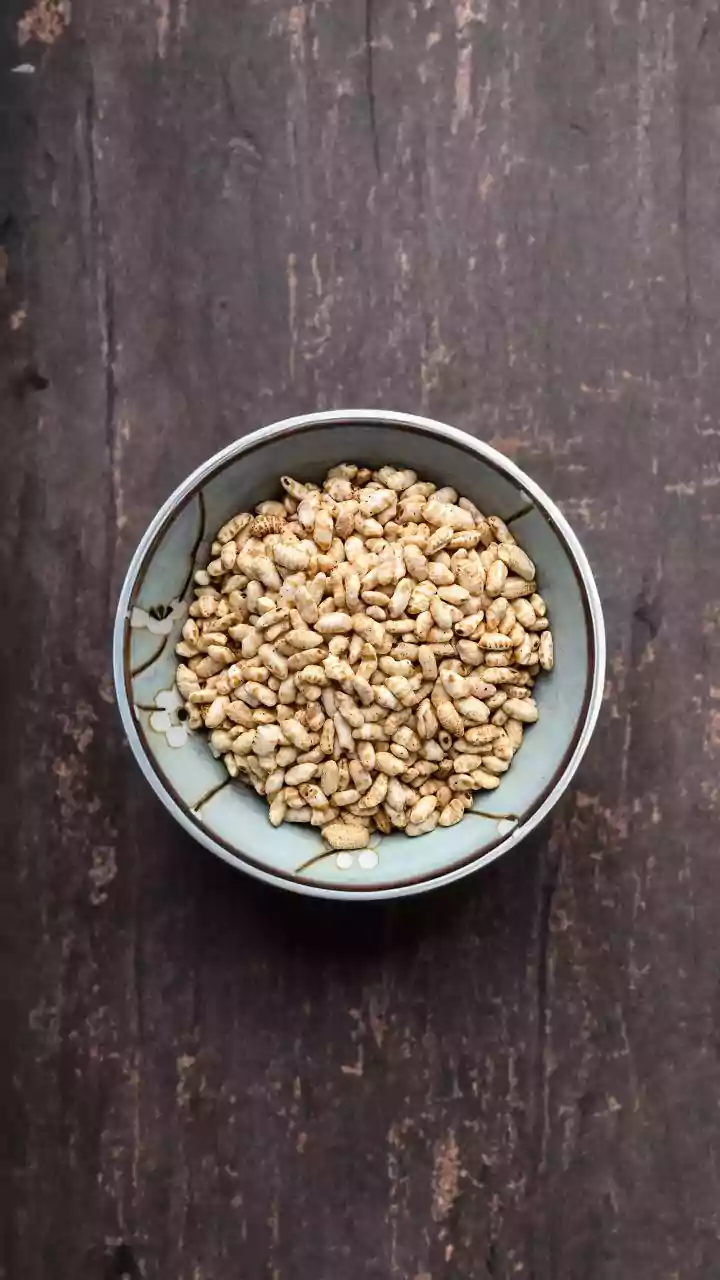
versions of dosa batter and paneer. This trend is not just about adding supplements; it is about embedding more protein into everyday foods. Reports show quick-commerce platforms have seen a 150% jump in orders for protein-related products over the last two years, signalling a major shift from a niche market to a mainstream consumer habit. This expanding category also involves a rediscovery of traditional Indian powerhouses like sattu, roasted chana, and makhana, now packaged and marketed for the modern consumer. Brands are responding quickly, with established players and new startups alike offering products that promise a quick and easy protein boost.
The Hustle Culture Diet
So, why the sudden surge? The answer lies in the changing face of modern India. Rapid urbanization, a growing number of dual-income households, and the demanding nature of today's work culture leave little time for traditional, elaborate meal preparation. For millions of urban professionals juggling long commutes and packed schedules, convenience is no longer a luxury but a necessity. These consumers are looking for time-saving meal solutions that do not compromise on nutrition. This demand is further amplified by a growing awareness around health and wellness, with more people viewing protein as essential for energy, muscle maintenance, and overall immunity, not just for athletic performance. This shift from seeking food security to nutritional security is a key driver of the trend.
A Nationwide Shift, Delivered Instantly
What might seem like a metropolitan trend is rapidly becoming a nationwide phenomenon. While cities like Bengaluru lead in overall demand, the fastest growth is now happening in Tier-II and smaller cities such as Nagpur, Jaipur, and Guwahati. This highlights a widespread move towards more intentional, protein-focused eating habits across the country. The boom in e-commerce and quick-commerce platforms has played a critical role, democratizing access to these products. Consumers in smaller towns can now browse and buy a wide variety of protein-rich foods that were previously unavailable in local stores. This digital accessibility, combined with rising disposable incomes, is enabling more Indians to upgrade their lifestyles and invest in 'better-for-you' products.
A Nutritionist's Perspective
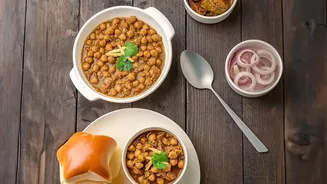
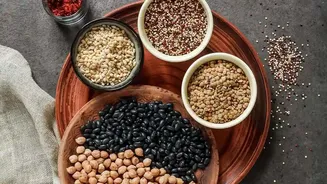
While the market is booming, experts advise a balanced approach. The rise of convenient protein is helping address a significant nutritional gap, as an estimated 73% of Indians are still considered protein-deficient. These products can be a useful tool for busy individuals to meet their daily protein requirements. However, nutritionists caution consumers to become savvy label-readers. Not all products with a 'high protein' claim are created equal. Some can be loaded with hidden sugars, unhealthy fats, and fillers. The goal should be to integrate these convenient options into a balanced diet that still prioritizes whole foods. Traditional, affordable protein sources like dal, eggs, chickpeas, and soya chunks remain a fantastic foundation for a healthy Indian diet.