





Why Portugal on Horseback?
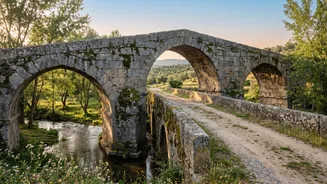
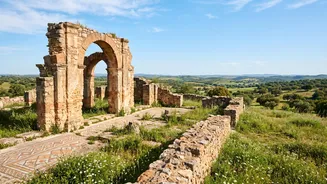
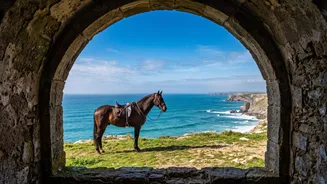
Portugal's history is deeply intertwined with horses, particularly the noble and elegant Lusitano breed, which you'll likely be riding. This isn't just a trail ride; it's a moving history lesson. Exploring by horse allows you to traverse ancient Roman
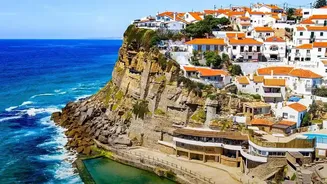
trails, follow old smuggling paths along the Spanish border, and access remote landscapes that are otherwise hard to reach. The pace is unhurried, offering an immersive connection to the scenery, from rolling hills and vineyards to rugged coastal cliffs. You’ll find yourself staying in beautifully renovated farmhouses (quintas) or rural guesthouses, enjoying authentic Portuguese culture far from the typical tourist track. It’s an adventure that combines a love for horses, history, and nature in one unforgettable package.
The Heart of the Action: Alentejo
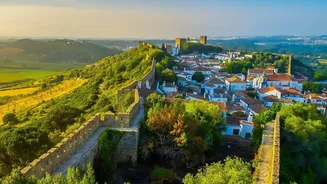
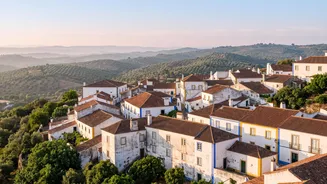
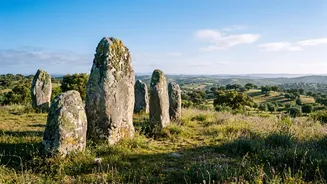
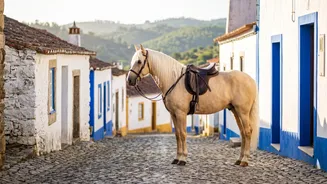
While you can find riding tours across Portugal, the Alentejo region stands out as the premier destination for this kind of travel. This vast, sun-drenched area in the south-central part of the country is known as Portugal's heartland. Its landscape of rolling plains, cork oak forests, olive groves, and vineyards is sparsely populated and ideal for long, uninterrupted rides. The Alentejo's soft, sandy trails are perfect for trotting and cantering. The region is dotted with whitewashed villages and historic fortress towns like Marvão, Monsaraz, and Arraiolos, each crowned with its own impressive castle. Many tours are based here, offering week-long itineraries that take you from one historic lodging to another.
Iconic Castles on the Trail
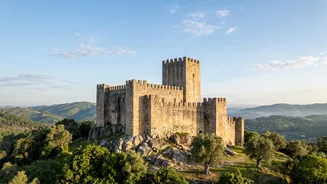
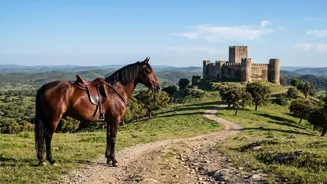
The highlight of any equestrian tour is approaching a centuries-old castle on horseback. In the Alentejo, you can ride to the medieval village of Monsaraz, a hilltop fortress with sweeping views of the Alqueva Lake. Another popular destination is Marvão, with its 13th-century walls perched dramatically on a rocky crag. Some trails might also take you near Alter do Chão, home to a national stud farm where the famous Lusitano horses are bred—a highlight for any equine enthusiast. Further north, in the Ribatejo region, you can find trails that lead to Templar castles like the stunning Castelo de Almourol, which sits on a tiny island in the middle of the Tagus River. These are not just photo opportunities, but a chance to physically inhabit the country's rich past.
What to Expect on Your Ride
Most Portuguese riding holidays cater to intermediate and experienced riders, as they often involve long hours in the saddle with opportunities for brisk trots and canters. However, some operators can accommodate confident beginners. A typical day involves four to five hours of riding, broken up by a gourmet picnic lunch in a scenic spot, often with your horse grazing nearby. You'll likely ride in a small group of no more than six to eight people, led by a knowledgeable local guide. The horses are typically responsive, well-trained Lusitanos or their crosses, and you'll use comfortable Portuguese army saddles, which are well-suited for long-distance riding. Evenings are spent relaxing at charming rural estates, enjoying delicious regional food and wine.
Planning Your Equestrian Adventure
The best time to ride in Portugal is during the spring (April to June) and autumn (September to November), when the weather is pleasant and the landscapes are at their most beautiful. Summers can be very hot, especially in the Alentejo. Most tours are all-inclusive packages that cover horses, guides, accommodation, and meals. When booking, be honest about your riding ability to ensure you are matched with a suitable horse and itinerary. Pack layers of clothing, as temperatures can vary, and be prepared for occasional showers, especially outside of summer. A hat for sun protection is essential. While the tour provides the main equipment, bringing your own comfortable riding gear will make the long hours in the saddle more enjoyable.