









The Soothing Science of Peppermint
The reason peppermint is so often associated with headache relief comes down to its active compound: menthol. When applied to the skin, menthol creates a cooling sensation that can help relax tense muscles and improve circulation. This cooling effect
competes with pain signals being sent to your brain, effectively distracting it from the ache. Studies on topical peppermint oil have shown it can be surprisingly effective for tension headaches, with some research suggesting its impact is comparable to common over-the-counter pain relievers. While a tea compress is less concentrated than a direct oil application, the principle remains the same. The gentle warmth and therapeutic aroma can also reduce stress, which is a common trigger for tension headaches.
How to Make a Simple Compress
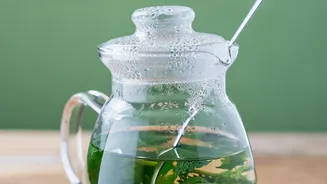
Creating your own compress is straightforward. Start by brewing a strong cup of peppermint tea using two or three tea bags, or a few spoons of loose-leaf tea, and let it steep for about 10 minutes. Allow the tea to cool down until it is warm but comfortable to the touch. You don't want to risk burning your skin. Soak a clean, soft cloth in the warm tea, wring out the excess liquid, and fold it to a convenient size. Lie down in a quiet, comfortable space and place the compress over your forehead and temples. Some people prefer a cold compress, which can help by constricting blood vessels. You can achieve this by chilling the brewed tea in the refrigerator before soaking the cloth. You can even alternate between warm and cold compresses to see what feels most effective for you.
Where Natural Relief Ends and Risk Begins
A compress can be a wonderful tool for managing the discomfort of a common tension headache. However, it's crucial to understand its limitations. A compress only addresses the immediate symptom—the pain. It does not diagnose or treat the underlying cause of the headache. While most headaches are benign, some can be a symptom of a serious medical issue. Relying solely on home remedies for a headache that is unusually severe, persistent, or different from your usual pattern can be dangerous. It might delay the diagnosis and treatment of a condition that requires urgent medical intervention. Think of the compress as a comforting aid, not a cure.
Red Flags: When a Headache Is an Emergency
It is critical to know the warning signs that indicate a headache is not something to be managed at home. Seek immediate medical attention or go to the emergency room if your headache is accompanied by any of the following symptoms: a sudden, severe onset often described as a 'thunderclap' or 'the worst headache of your life'; a fever and a stiff neck; confusion, personality changes, or difficulty speaking; numbness, weakness, or facial drooping; vision changes like blurring or loss of sight; or if the headache follows a recent head injury. These can be signs of life-threatening conditions like a brain bleed, stroke, or meningitis, where every second counts.
What a Doctor Can Offer That a Compress Can't
If you experience frequent or debilitating headaches, a visit to the doctor is essential. A medical professional can help determine the specific type of headache you are experiencing—whether it's a tension-type, migraine, or something else entirely. Proper diagnosis is the first step toward effective management. Treatment options extend far beyond simple pain relief and may include prescription medications like specific antidepressants or anti-seizure drugs that are used to prevent chronic headaches. A doctor can also recommend non-drug management strategies, such as physical therapy, stress management techniques, or identifying and avoiding personal triggers, which can provide long-term relief that a home remedy cannot.