



Meet PROMISE, the Lunar Pioneer
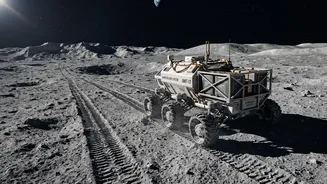
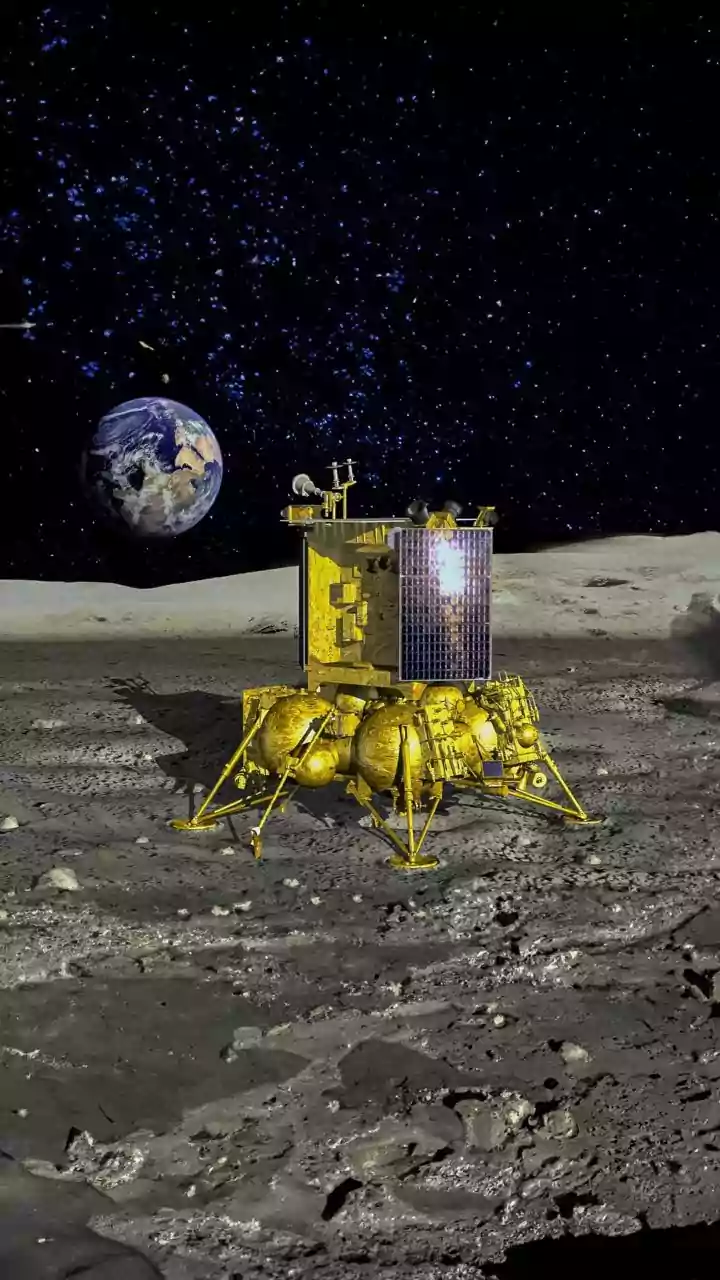
NASA's new lunar vehicle is called PROMISE, which stands for Polar Rover for Observation, Mapping, and In-Situ Exploration. This six-wheeled, nuclear-powered rover is designed to be a robotic scout for the agency’s future Moon base. Its primary mission
is to explore the Moon's South Pole, a region of intense interest because scientists believe its permanently shadowed craters may hold vast reserves of water ice. PROMISE will be tasked with mapping these resources, studying the lunar soil, and identifying safe locations for future astronaut landings. To save time and resources, NASA's Jet Propulsion Laboratory is building the rover by cleverly adapting existing hardware. The rover's body, electronics, and mobility system are being repurposed from the ground-test twin of the Curiosity Mars rover, a design already proven to handle tough alien terrain.
The Nuclear Advantage: Surviving the Night
What makes PROMISE a game-changer is its power source. Instead of relying on solar panels, which are useless during the 14-day lunar night, the rover will use a Multi-Mission Radioisotope Thermoelectric Generator (MMRTG). This is essentially a nuclear battery, the same type of technology that has reliably powered deep-space probes for decades. The MMRTG works by converting heat from the natural decay of plutonium-238 into a steady supply of electricity. This will provide about 110 watts of power, allowing PROMISE to operate continuously, even in the complete darkness of a polar crater or during the long, frigid lunar night when temperatures plummet. The excess heat from the generator will also be circulated to keep the rover's vital systems from freezing. This robust power system is critical for the long-term, sustainable exploration envisioned by NASA’s Artemis program.
A Key Piece of the Artemis Puzzle
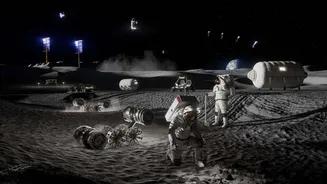
PROMISE isn't just a standalone mission; it's a foundational part of NASA's ambitious plan to establish a permanent human presence on the Moon. The data it collects on resources like water ice is crucial, as these resources could potentially be used for life support, to create breathable air, or even be converted into rocket fuel for future missions to Mars. The rover is one component of the broader Fission Surface Power project, a joint effort between NASA and the U.S. Department of Energy to develop a small nuclear reactor for the lunar surface. While PROMISE uses a radioisotope generator, the larger plan involves deploying a 10-kilowatt fission reactor—enough to power a small habitat—by the early 2030s. This lunar grid will be essential for powering life support, science experiments, and recharging rovers for long-duration astronaut stays.
The Road to the Launchpad
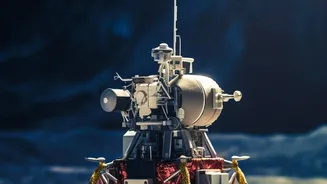
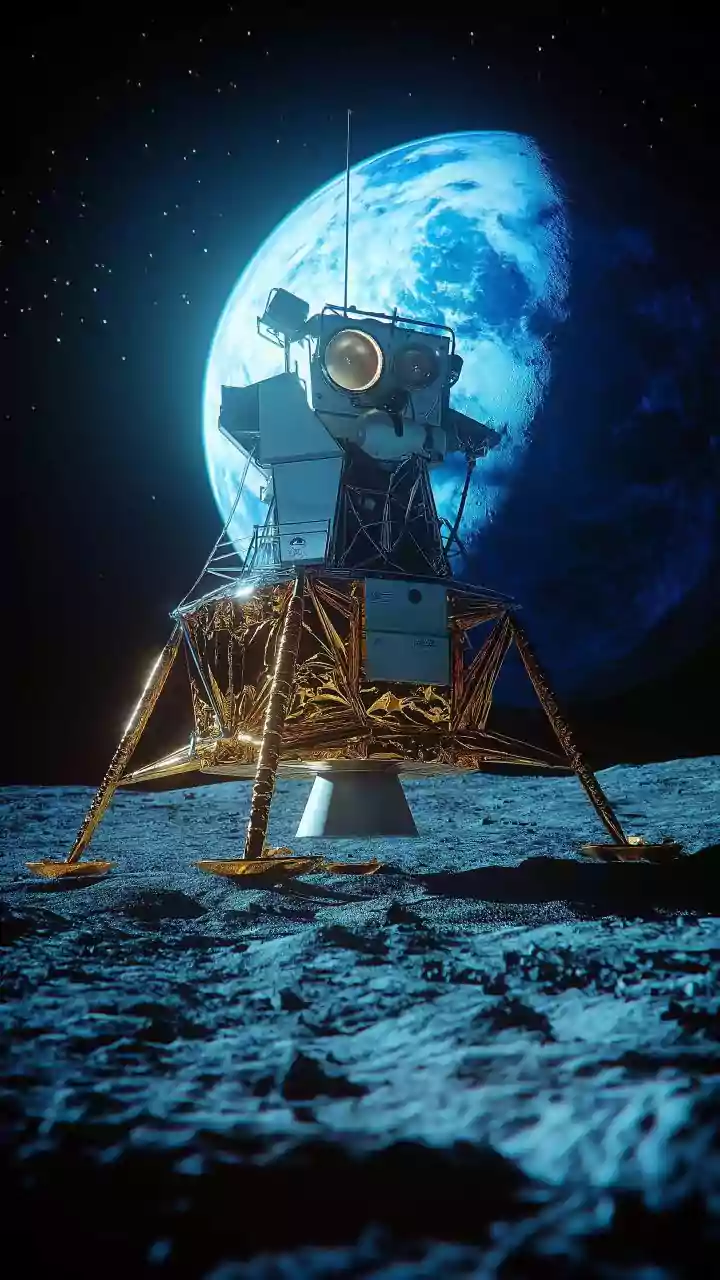
NASA is targeting a late-2028 launch for the PROMISE rover. The agency has awarded Blue Origin a contract to deliver the vehicle to the Moon’s South Pole using its Blue Moon Mark 1 lander. Once on the surface, the rover is planned to conduct an 18-month primary mission, drilling into the lunar soil and analyzing its composition. While using proven hardware from the Mars rover program accelerates development, engineers still face the challenge of adapting these systems for the unique lunar environment. The Moon's abrasive, electrostatically charged dust and extreme temperature swings present different hurdles than those on Mars. The use of nuclear material also means the mission must undergo stringent launch safety reviews before it can get off the ground.