


The Elegant Simplicity of Sorbet
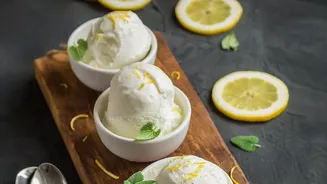
There is a certain magic to sorbet. Unlike ice cream, it contains no dairy, making it a wonderfully light and bright dessert. At its heart, sorbet is a simple blend of fruit and sugar, frozen to perfection. Lemon sorbet, or 'sorbetto al limone' as it's
known in Italy, is perhaps the most classic expression of this. It’s a perfect palate cleanser between courses or a sophisticated dessert on its own. The beauty of this treat lies in its simplicity; you only need lemons, sugar, and water to create something truly special. The key is using fresh, high-quality ingredients to let that pure lemon flavour shine.
Gathering Your Core Ingredients
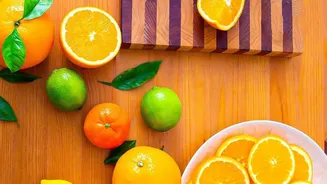
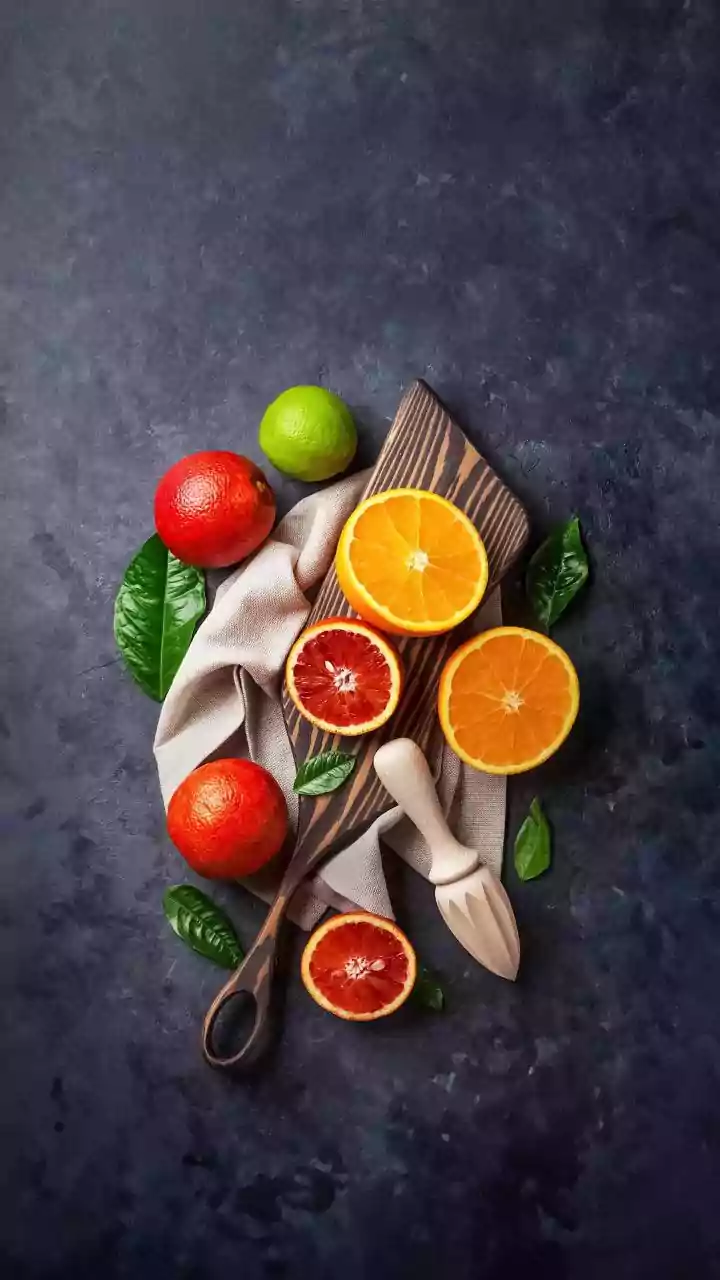
For the most vibrant flavour, fresh lemons are non-negotiable. You’ll need about four to five medium-sized lemons to yield enough juice. When shopping, look for lemons that feel heavy for their size, as they will be the juiciest. The zest, the fragrant yellow outer layer of the peel, is also crucial for infusing the sorbet with a deep, aromatic lemon essence. Take care to only remove the zest, avoiding the bitter white pith underneath. For the sweetener, standard granulated sugar works perfectly. It’s the key not just for sweetness but for the sorbet’s final texture.
The Science of the Sugar Syrup
The foundation of any great sorbet is the simple syrup. This is made by gently heating sugar and water until the sugar completely dissolves. For lemon sorbet, infusing the lemon zest into the warm syrup adds an incredible depth of flavour. But sugar does more than just sweeten the deal. The science of sorbet is all about sugar concentration. Sugar lowers the freezing point of water, which is essential for achieving a smooth, scoopable texture. Too little sugar and you’ll get a solid, icy block; too much, and the mixture will remain a slushy liquid. Following the right ratio is crucial for that perfect sorbet consistency.
Mastering the No-Churn Method
You don't need a fancy ice cream maker to achieve a creamy sorbet. The key to the no-churn method is preventing large ice crystals from forming. After combining your chilled simple syrup and fresh lemon juice, pour the mixture into a shallow, freezer-safe container, like a metal baking pan. Place it in the freezer. The manual 'churning' happens every 30 to 45 minutes for the next few hours. Use a fork or a whisk to vigorously stir and break up the frozen parts, scraping the sides and bottom and mixing everything together. This process emulates the churning of an ice cream machine, keeping the ice crystals small and ensuring a smooth final product.
Tips for an Even Smoother Texture
For an even silkier sorbet, there are a couple of professional tricks you can use. Adding a small amount of alcohol, like a tablespoon or two of vodka or limoncello, can improve the texture. Because alcohol doesn't freeze solid in a home freezer, it helps keep the sorbet from becoming too hard. Another option is to add a tablespoon of corn syrup to your simple syrup. Corn syrup is an invert sugar, which is excellent at inhibiting the formation of large ice crystals, resulting in a smoother, more stable sorbet that resists becoming icy in the freezer.
Creative Twists on a Classic
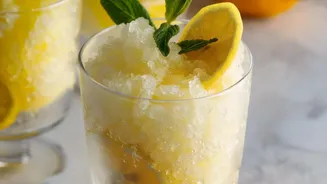
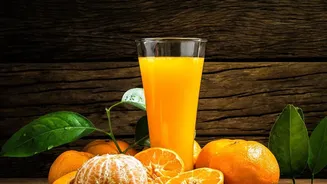
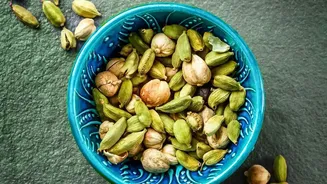
Once you've mastered the basic lemon sorbet, feel free to experiment. Infusing a few sprigs of fresh mint or basil into your simple syrup can add a wonderful herbaceous note that pairs beautifully with the tart lemon. You can also create other citrus sorbets by swapping the lemon for fresh lime, orange, or grapefruit juice. For a different flavour combination, try a spiced version by adding a bit of fresh ginger or a few cardamom pods to the syrup as it heats. These simple additions can transform your classic treat into a new and exciting dessert.