


Bhoger Khichuri: The Soul of the Feast
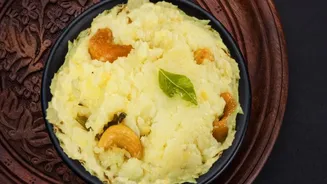
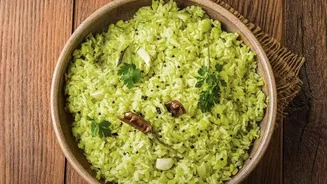
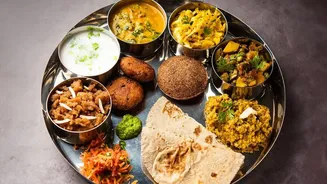
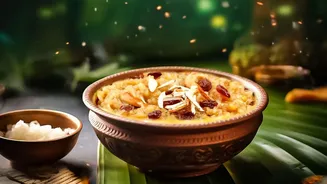
No Durga Puja experience is complete without partaking in bhog. This sacred food, offered to the goddess and then distributed to devotees, is a culinary expression of community. The star of the bhog plate is always the Khichuri. Made from roasted moong
dal and gobindobhog rice, it’s a simple, aromatic, and deeply comforting dish, typically cooked without onion or garlic. It is often served with labra, a mixed vegetable curry, and beguni, or fried brinjal fritters, creating a meal that nourishes both body and soul.
Luchi and Alur Dom: The Classic Combination
Imagine soft, white, deep-fried discs of bread that puff up like balloons. That's luchi for you, a festive staple in every Bengali household. Unlike puris, luchis are made from maida (plain flour) and have a distinctively soft texture. The perfect companion to this delicate bread is Alur Dom, a slow-cooked potato curry where baby potatoes are simmered in a rich, spiced gravy. This combination is a breakfast favourite but is enjoyed at all hours during the five days of Puja.
Kosha Mangsho: A Meat Lover's Delight
While many parts of India observe vegetarian fasts during Navratri, for many Bengalis, Durga Puja is synonymous with grand non-vegetarian feasts. At the heart of this celebration is Kosha Mangsho, a slow-cooked mutton curry with a thick, intensely flavourful gravy. The meat is cooked for hours with spices until it is fall-off-the-bone tender. This rich and spicy delicacy, best paired with luchi or steamed rice, is a true indulgence and a highlight for any meat lover.
Kathi Rolls and Street-Side Chops
Pandal hopping can be hungry work, and Kolkata's street food scene rises to the occasion. The Kathi Roll is the quintessential on-the-go meal: a flaky, fried paratha wrapped around a spicy filling of chicken, mutton, egg, or paneer, with onions and sauces. Equally popular are the various chops and cutlets. From vegetable chops (beetroot and peanut patties) to fish fry and 'dimer devil' (a spicy boiled egg preparation), these fried snacks are the perfect fuel for a night of exploring the city's artistic pandals.
Ghugni: The Humble Champion
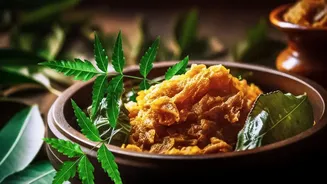
Another star of the street-food stalls is ghugni. This hearty curry is made from dried yellow peas, cooked with spices, and often garnished with chopped onions, green chillies, and a squeeze of lime. It's a simple, savoury snack that is both filling and delicious. Whether enjoyed on its own or scooped up with a luchi, ghugni is a comforting taste of Puja that can be found at nearly every street corner and pandal food court.
Shorshe Ilish: An Iconic Delicacy
For many, a Bengali festival isn't complete without fish, and Shorshe Ilish holds a place of reverence. Hilsa, the queen of fish, is cooked in a pungent and sharp gravy made from ground mustard seeds and green chillies. The unique flavour of the hilsa, combined with the kick of the mustard, creates a dish that is both iconic and unforgettable. It represents the pinnacle of Bengali culinary artistry and is a special treat reserved for celebratory occasions like Durga Puja.
Mishti: The Sweet Endings
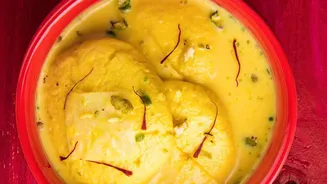
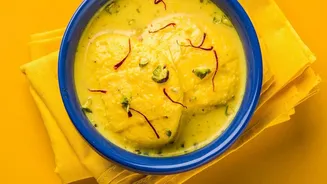
A Bengali feast must end with sweets, or 'mishti'. During Puja, sweet shops are overflowing with classics. Mishti Doi, a sweet, caramelised yogurt, is a beloved staple. Then there are the legends: soft, cheesy Sandesh made from fresh chhena, and syrupy Rosogollas. These sweets are not just desserts; they are an integral part of the celebration, shared with friends and family to mark the joyous occasion.