




What is the Cybercab's New Connection?
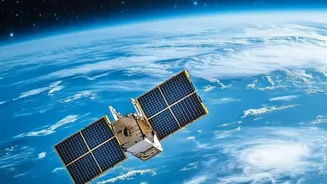
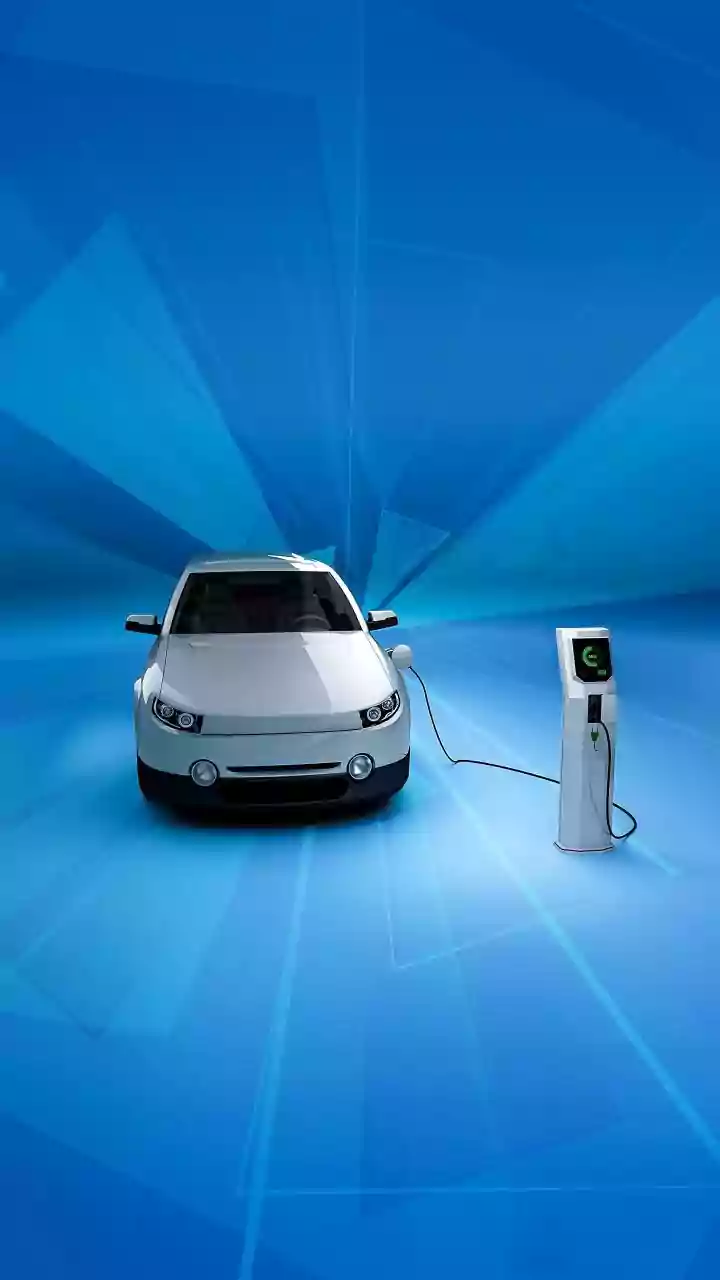
The headline-making technology refers to Tesla's plan to directly integrate SpaceX's Starlink satellite internet system into its forthcoming autonomous robotaxi, the Cybercab. This isn't just about adding Wi-Fi for passengers; it's about creating a 'hybrid'
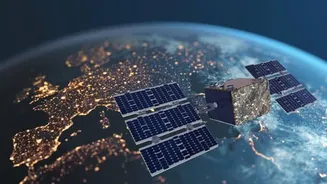
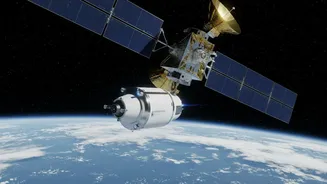
network. The vehicle will be equipped with both 5G mobile and satellite antennas, allowing it to intelligently switch between terrestrial cellular networks and space-based internet. The goal is to provide a 'resilient' data connection, meaning the vehicle can maintain connectivity even when one network type is unavailable, such as in a rural area with no mobile phone signal or a dense city where cellular networks are congested. This ensures the robotaxi doesn't go 'dark,' a critical requirement for a driverless fleet.
A Tale of Two Networks
So, how does it work? Think of it like a hybrid car that uses both petrol and electricity. The Cybercab's system will primarily rely on fast, low-latency 5G cellular networks for most of its data needs, as this is efficient and cost-effective in areas with good coverage. However, when the vehicle travels into a so-called cellular 'dead zone,' the system will automatically failover to the Starlink satellite connection to ensure continuity. This seamless handover is the key to resilience. The combined approach leverages the best of both worlds: cellular's speed and low cost in populated areas, and satellite's ubiquitous coverage everywhere else. The technology is designed to make the switch without interrupting the vehicle's operations.
Why This Matters for India
For a country as geographically diverse as India, with its mix of hyper-dense cities and vast remote regions, reliable connectivity is a persistent challenge and a strategic priority. A hybrid connectivity model like the one proposed for the Cybercab has massive implications. It offers a blueprint for mission-critical services that cannot afford downtime, from logistics and supply chain tracking to emergency response and disaster management. As India's digital economy grows, the demand for always-on, resilient networks for fintech, telemedicine, and smart factories is exploding. This satellite-cellular combination could become a foundational technology layer, ensuring business continuity and extending the reach of digital services to previously underserved areas.
Beyond the Robotaxi Fleet
While the Cybercab is the first confirmed application, the impact of maturing hybrid connectivity extends far beyond autonomous taxis. The core principle—combining satellite and cellular for uninterrupted data—is being explored across many industries. Logistics companies can track assets from urban warehouses to remote mines. The agricultural sector can deploy IoT sensors in rural fields far from mobile towers. It's also vital for maritime and aviation industries, where terrestrial coverage is non-existent. For passengers, the technology promises high-speed internet for work or entertainment, like streaming 4K video, during their ride. Ultimately, it supports a future where critical infrastructure and autonomous systems can operate reliably anywhere on Earth.
Potential Hurdles and the Road Ahead
Despite the promise, the path to widespread adoption has challenges. Integrating two distinct network types requires sophisticated hardware and software to manage the seamless switching. There's also the question of cost. Satellite data has traditionally been more expensive than cellular, so managing costs will be crucial for economic viability. Furthermore, while Tesla officials have stated the satellite link is not currently required for the vehicle's safe operation, its role is primarily for fleet management and customer service. However, the very existence of this redundant system highlights how critical constant connectivity is becoming for the future of autonomous technology and a host of other next-generation applications.