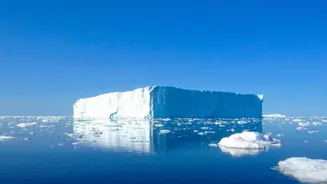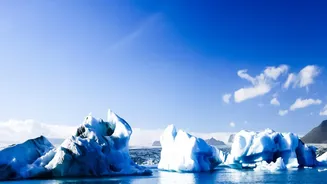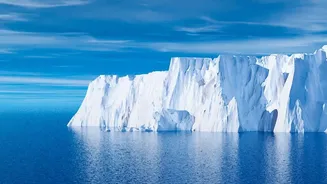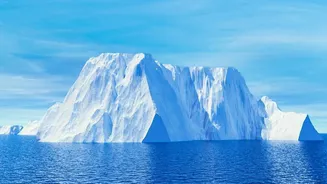







A Monumental Loss of Ice
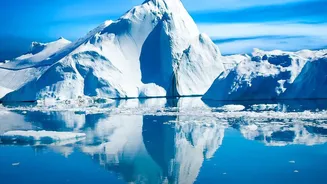
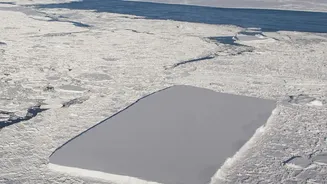
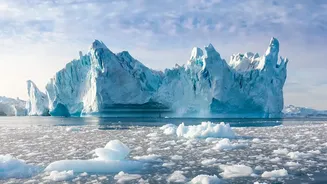
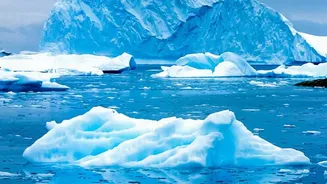
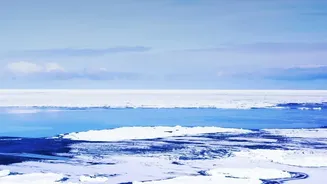
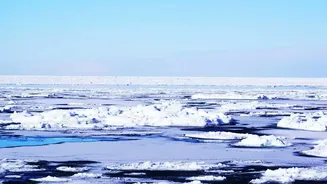
The 11,309-billion-tonne figure comes from the most comprehensive satellite record ever assembled, a project by an international team of scientists known as the Ice Sheet Mass Balance Inter-comparison Exercise (IMBIE). This massive loss of ice has directly
contributed to a global average sea level rise of 31.4 millimetres, or about 1.2 inches. To put the sheer scale of this ice loss into perspective, it is enough frozen water to cover the entire continental United States in a layer roughly five feet deep. The study, supported by NASA and the European Space Agency, combined data from 42 separate satellite surveys to create the most complete picture of polar ice loss to date.
The Engine of the Melt: Warming Oceans
While warmer air causing surface melt is a factor, it is not the main driver. The IMBIE assessment revealed a striking fact: 84% of the total ice loss was due to glaciers speeding up and discharging more ice directly into the ocean. This process, known as dynamic loss, is primarily fueled by warming ocean waters. As seawater warms, it melts the underside of glaciers and the floating ice shelves that act as a buttress, holding back the inland ice. Once these protective shelves are weakened or gone, the glaciers behind them accelerate their slide into the sea, like a cork being removed from a bottle.
Greenland's Double Threat
Greenland is losing ice faster than Antarctica, accounting for the majority of the total loss. The island is being hit from two sides. First, rising air temperatures are causing significant surface melting, with meltwater running into the sea. This effect was particularly pronounced during the 2010s, which saw repeated extreme summer melt events. Second, like in Antarctica, warmer ocean currents are eroding its glaciers from below. This combination of atmospheric and oceanic warming makes Greenland particularly vulnerable, with its rate of loss accelerating sharply since the 1990s.
Antarctica's Unstable West
Antarctica's story is more complex. The vast East Antarctic Ice Sheet has been relatively stable, sometimes even gaining mass from increased snowfall. However, this is more than offset by dramatic losses from the West Antarctic Ice Sheet and the Antarctic Peninsula. This region is considered one of the most rapidly changing places on Earth, primarily because its glaciers are being destabilised by warm ocean water. The net loss from Antarctica is attributed almost entirely to this dynamic of faster-flowing glaciers, with surface melt playing a much smaller role than in Greenland.
Why It Matters for India
The melting of distant ice caps is not a remote problem; it has direct and severe consequences for India. With a long and densely populated coastline, India is highly vulnerable to sea-level rise. Major coastal cities like Mumbai, Kolkata, and Chennai are already facing increased risks of flooding, coastal erosion, and saltwater intrusion into freshwater sources. Rising sea levels threaten to submerge low-lying areas, displace millions of people, and damage critical infrastructure. The salinisation of coastal soil can devastate agriculture, impacting food security for millions more. Furthermore, the massive influx of cold freshwater into the oceans can disrupt currents that influence weather patterns, including the monsoon, upon which India's economy and agriculture depend.