





The Sacred Start: Community Bhog
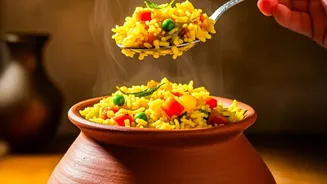
The spiritual heart of the Pujo food experience is the bhog, a blessed community meal served at pandals. Traditionally vegetarian and cooked without onion or garlic, this sacred offering is first presented to the Goddess before being distributed to thousands
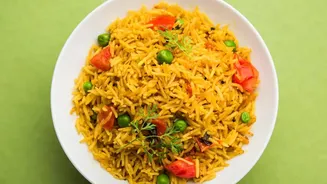
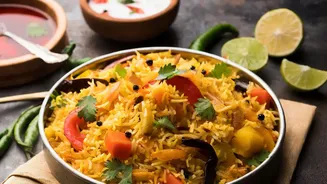
of devotees. The quintessential bhog khichuri, a fragrant blend of Gobindobhog rice and roasted moong dal, is the star. Served alongside it is labra, a sublime mixed-vegetable curry, along with fried items like beguni (eggplant fritters) and a sweet tomato chutney. More than just a meal, partaking in bhog is an act of communal joy and a grounding ritual before the culinary adventures that lie ahead in the city's streets.
The Street Food Safari
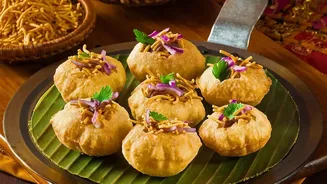
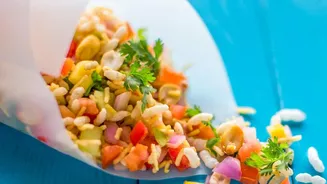
As dusk falls, the pandal-hopping trail transforms into a vibrant street food safari. The air, already thick with the scent of incense and flowers, now carries the irresistible aroma of sizzling snacks. Pandal hopping is inseparable from quick, delicious bites that can be eaten on the move. Stalls across every neighbourhood do brisk business selling everything from phuchka—Kolkata's iconic version of pani puri with a spicy potato filling and tangy tamarind water—to ghugni chaat, made from boiled yellow peas. Another non-negotiable is the Kolkata-style kathi roll, a flaky paratha wrapped around a filling of egg, spiced chicken, or mutton, providing the perfect fuel for a long night of festivities.
Fritters, Fries, and Cutlets
Beyond the more famous rolls and chaats, the streets offer a dazzling array of fried delicacies, collectively known as 'telebhaja'. These battered and deep-fried snacks are a cornerstone of the Pujo munching culture. From alur chop (potato fritters) to beguni and fish fry, these stalls are a mandatory pit stop. A particularly beloved item is the kobiraji cutlet, a minced meat or fish fillet enveloped in a lacy, crispy fried egg coating that provides a satisfying crunch. Many revellers also seek out Mughlai parathas, a rich, pan-fried bread stuffed with minced meat and egg. These indulgent treats are often the main event for groups of friends gathering between pandal visits.
The Biryani Ritual
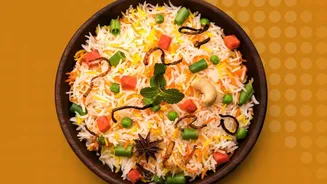
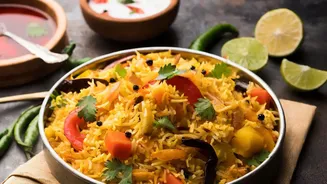
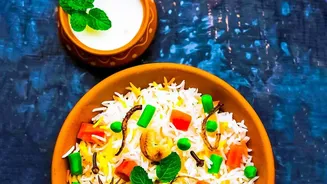
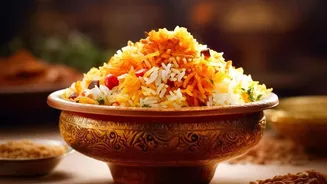
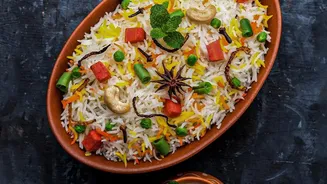
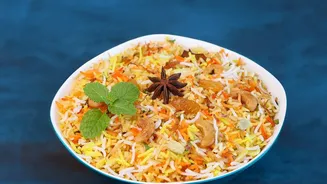
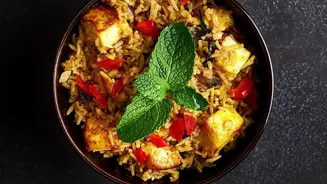
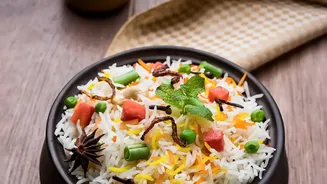
While traditional fare holds its place, the modern Pujo celebration is incomplete without biryani. For many families and groups of friends, a festive meal of Kolkata-style biryani, with its characteristic tender potato and subtle blend of spices, has become a cherished ritual. Restaurants across the city, from legendary establishments like Arsalan and Shiraz to neighbourhood joints, see massive crowds queuing up for their share. This dish, known for its ability to feed and satisfy a large group, has seamlessly integrated into the Durga Puja culinary landscape, representing a shift in festive dining habits and becoming as essential to the celebration as any traditional dish for a large segment of the population.
A Universe of Sweets
No Bengali festival is complete without an ode to mishti (sweets), and Durga Puja is the grandest stage of them all. After the savoury and spicy, the palate seeks the comfort of sweets. Iconic sweet shops see unending streams of customers buying everything from the quintessential rasgulla and sandesh to the creamy mishti doi. Many sweets are also part of the bhog offering, such as payesh (rice pudding) and narkel naru (coconut laddoos), symbolising purity and devotion. Hopping between pandals often includes a strategic detour to a famous sweet shop, making the journey as much about a mishti crawl as it is about admiring the idols.