




The End of the One-Wear Wonder
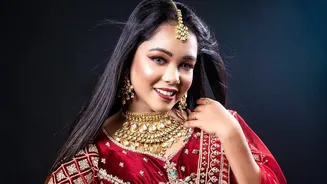
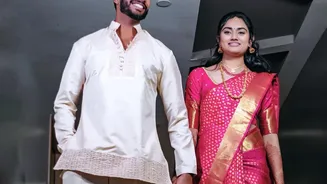
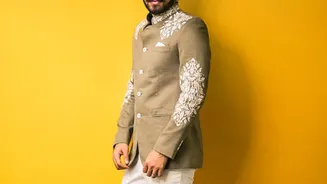
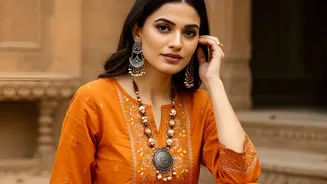
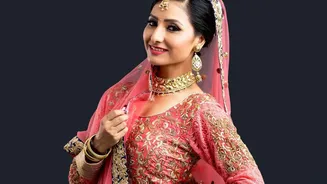
From Diwali parties to sprawling wedding celebrations, the expectation in India was traditionally to debut a brand-new outfit for every significant event. These garments—often heavily embroidered, brilliantly colored, and costly—were symbols of prosperity
and respect for the occasion. However, this has often led to closets full of beautiful, expensive clothes worn only once. Today, a new generation is questioning this 'one-and-done' philosophy. They are increasingly viewing their festive wardrobe not as a collection of disposable statements but as an archive of versatile, high-quality pieces that can be cherished and, more importantly, restyled. This mindset challenges the very definition of festive dressing, moving it from performative newness to personal, sustainable curation.
A Blend of Economics and Ethics
Two major forces are driving this trend: financial pragmatism and environmental consciousness. The cost of elaborate ethnic wear can be substantial, and for young professionals and students, spending a significant sum on a single-use outfit feels increasingly impractical. The sustainable fashion movement, which has gained significant traction among Indian Gen Z and Millennials, is another powerful motivator. This demographic is acutely aware of the fashion industry's environmental footprint and is actively seeking ways to reduce waste. Choosing to re-wear and restyle garments is a direct rejection of the fast-fashion cycle. This has also fueled a rise in fashion rentals, thrift shopping, and a renewed appreciation for timeless, handcrafted textiles that are designed for longevity.
Social Media's Shifting Role
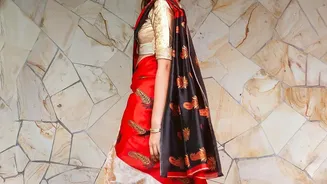
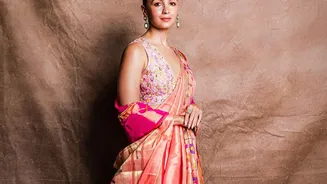
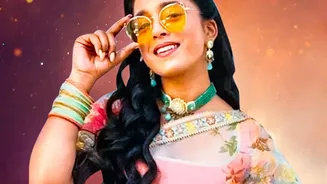
While social media platforms once amplified the pressure to never be seen in the same outfit twice, they are now becoming a powerful tool for the rewearability movement. Influencers and everyday users alike are showcasing their creativity by styling the same piece in multiple ways—a heavy lehenga skirt paired with a simple t-shirt, or a sari draped in an unconventional style. These platforms have democratized fashion inspiration, making it less about owning countless new items and more about styling creatively. Hashtags promoting outfit repeating and sustainable style celebrate this new approach, providing a community for those who value ingenuity over endless consumption. It has become a status symbol not to have a new outfit, but to have the creativity to make an old one look new again.
The New Art of Festive Dressing
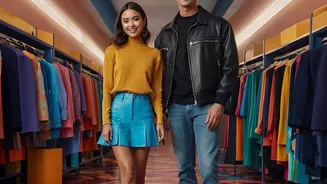
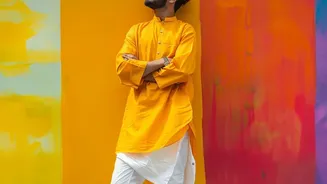
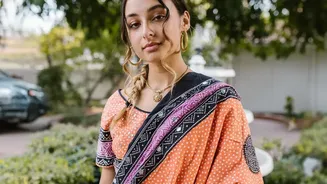
This shift is encouraging a more modular and creative approach to building a festive wardrobe. Instead of buying complete, heavy sets, young shoppers are investing in versatile separates. A well-crafted blouse can be paired with different saris or skirts, an ornate dupatta (scarf) can elevate a simple kurta, and statement jewelry can transform an entire look. Brands are also responding by designing fusion wear and more understated, classic pieces that can transition from a festive event to a more casual setting. The focus is on versatility and personal expression, allowing one's wardrobe to be both celebratory and practical. Supporting local artisans and handloom traditions, which produce durable and timeless textiles, has also become a key part of this conscious consumption.