




An Immigrant That Conquered Indian Kitchens
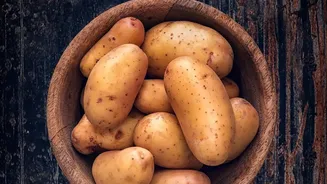
The potato's story in India is one of masterful adaptation. Arriving with Portuguese traders in the 17th century and later popularised by the British, this South American native was initially met with curiosity. However, its incredible versatility and ability
to absorb a universe of spices allowed it to seamlessly integrate into regional cuisines across the subcontinent. It became a staple, beloved for being both an affordable source of sustenance and a canvas for culinary creativity. Today, it’s hard to imagine Indian food without the aloo, a testament to its successful migration from the Andes to every corner of India.
The Journey Begins: Bengal's Subtle Soul Food
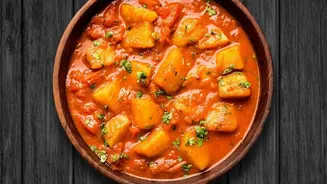
In the lush, riverine landscape of West Bengal, the potato is treated with a unique reverence and subtlety. Here, it is not just a filler but a star in its own right, often prepared in ways that are delicate and comforting. The quintessential Bengali potato dish is Aloo Posto, where cubes of potato are gently simmered in a creamy, nutty paste of poppy seeds. Finished with a drizzle of pungent mustard oil, it’s a minimalist masterpiece that embodies the soul of Bengali comfort food. This dish, often eaten with dal and rice, highlights a culinary philosophy that values nuance over overpowering spice.
Posto: A Controversial Seed with a Storied Past
The heart of Aloo Posto is the poppy seed, an ingredient with a complex history tied to the British opium trade in Bengal. What was once a byproduct of opium cultivation was ingeniously adopted into the local cuisine by farmers' wives, transforming into a beloved staple. The poppy seeds, or 'posto', lend a unique, mildly sweet and earthy flavour that is distinctly Bengali. Grinding the soaked seeds into a fine paste is an art, creating the creamy texture that lovingly coats the potatoes. This simple preparation showcases how historical events can profoundly shape a region's palate, turning a remnant of trade into a symbol of cultural identity.
Ascending to the Hills: Uttarakhand's Rustic Gem
Leaving the plains behind, our potato journey climbs into the crisp mountain air of Uttarakhand. In this Himalayan state, the cuisine is shaped by the rugged terrain and the need for hearty, energy-giving food. The cool climate is ideal for potato cultivation, making it a cornerstone of Pahari meals. Here, the preparations are robust, rustic, and profoundly flavourful, designed to warm you from the inside out. The potato is less about subtlety and more about substance, fuel for a life lived in the mountains.
Aloo Ke Gutke: A Spicy Taste of the Mountains
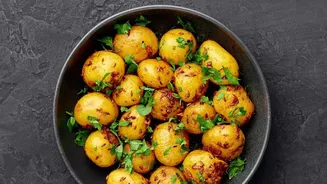
The most iconic potato dish from this region is Aloo Ke Gutke. The name itself, where 'gutke' means pieces, points to its simple, honest preparation. Boiled potato chunks are stir-fried in mustard oil and seasoned with a powerful blend of local spices, often including whole red chillies and sometimes unique Himalayan herbs like jakhiya. Unlike the creamy Aloo Posto, Aloo Ke Gutke is a dry, spicy preparation with a slightly crispy exterior and a soft inside. It's a popular snack at roadside eateries and a staple during festivals, often enjoyed with puris and a tangy chutney, reflecting the hardy and vibrant spirit of Pahari culture.