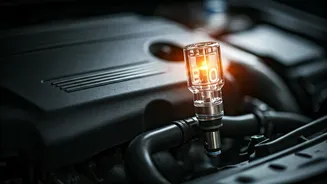




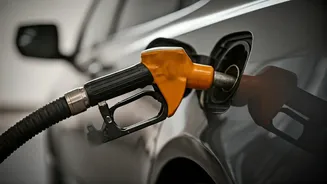


What is E20 Fuel and Why the Change?
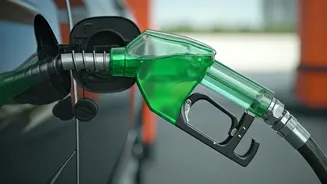
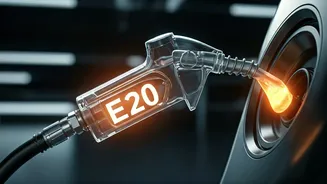
E20 is a fuel blend containing 20% ethanol and 80% petrol. Ethanol is a renewable fuel produced from agricultural sources like sugarcane and maize. The Indian government is promoting its use for several key reasons: to reduce the country's heavy reliance
on imported crude oil, lower carbon emissions, and provide an economic boost to the agricultural sector. The nationwide rollout of E20 fuel is a major step in India's strategy to enhance its energy security and meet its environmental goals.
The Mileage Question: A Small, Expected Drop
The most common concern for drivers is a potential drop in fuel efficiency, and it's a valid one. The simple reason is that ethanol has a lower energy density than petrol, meaning it contains less energy per litre. Because of this, your engine needs to burn slightly more E20 fuel to produce the same amount of power, resulting in a minor decrease in mileage. Government agencies and automotive experts estimate this drop to be between 3% and 6% for non-compliant vehicles, though some real-world tests show it can vary based on the car and driving conditions. Petroleum Minister Hardeep Singh Puri acknowledged that mileage might drop a little but argued that this is offset by benefits like better acceleration.
Engine Life: Are the Worries Justified?
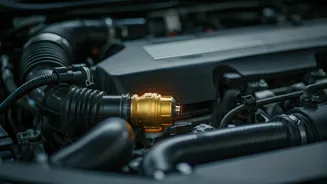
This is where the good news lies. For the vast majority of vehicles on Indian roads today, E20 fuel is not expected to harm the engine. Automakers and industry experts have stated that vehicles manufactured to be E20-compliant are built with materials in the fuel system—like hoses, seals, and gaskets—that can handle the higher ethanol blend without issue. Major manufacturers like Maruti Suzuki, Hyundai, and Toyota have confirmed that their extensive testing shows no evidence of increased engine damage or abnormal wear from using E20 fuel, even in many older, non-compliant models. For instance, Maruti has found that even cars designed for E10 have sufficient engineering safety margins to handle E20 without problems.
Checking Your Vehicle's Compatibility
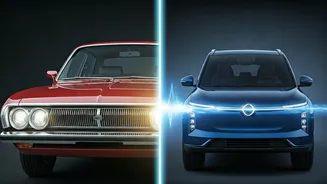
While most modern cars are safe, it's crucial to know if your specific vehicle is officially compatible. The rule of thumb is that most cars and two-wheelers sold in India from April 2023 onwards are E20-compliant by mandate. Many manufacturers, including Maruti Suzuki, Hyundai, Tata Motors, and Toyota, made their entire portfolios E20-ready around this time. Some, like Honda, state their cars have been compatible for much longer. To be certain, you can: Check your vehicle's owner's manual. Look for a sticker inside the fuel filler door. * Contact your vehicle’s manufacturer or an authorised service centre. Using E20 in a much older, non-compatible vehicle (typically those made before 2008) could potentially lead to issues over the long term, as ethanol can degrade older rubber and plastic components.
The Verdict for the Everyday Driver
The transition to E20 fuel is a national policy with long-term benefits for India's economy and environment. For the average driver of a modern car, the change is unlikely to cause any significant problems. You may notice a small increase in your fuel consumption, but fears of widespread engine damage are largely unsubstantiated, according to the industry bodies and manufacturers who have tested the fuel extensively. The key is to be an informed consumer. Understanding the trade-offs and verifying your vehicle's compatibility will ensure you can navigate this fuel transition smoothly and with peace of mind. While the debate continues, the consensus from experts is that modern engines are well-equipped for the change.