



What is Seasoning, Really?
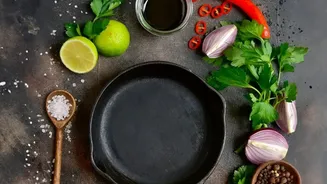
Despite the name, seasoning has nothing to do with salt, pepper, or spices. It’s a scientific process called polymerization. When you apply a very thin layer of fat or oil to cast iron and heat it past its smoke point, the oil transforms from a liquid
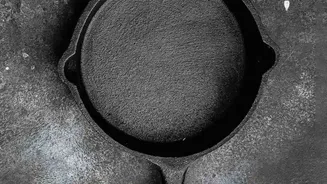
into a hard, protective layer that chemically bonds to the metal. This process fills in the microscopic pores and crevices inherent in cast iron, creating a smooth and durable surface. This bonded layer is the seasoning, and it’s what gives a skillet its signature black patina and remarkable cooking properties.
The Magic of a Natural, Non-Stick Surface
The most celebrated benefit of a well-seasoned pan is its naturally non-stick surface. Unlike synthetic non-stick coatings that can degrade, scratch, or release chemicals at high temperatures, cast iron's seasoning is a renewable surface that you build yourself. This makes it ideal for cooking delicate items like eggs or fish without them sticking and falling apart. As the seasoning develops, you can often use less oil in your cooking, which is a welcome bonus for healthier meal preparation. This easy-release quality also means cleanup is surprisingly simple, often requiring just a quick scrape and wipe-down.
An Investment That Improves with Every Meal
The most beautiful thing about cast iron is that it gets better the more you use it. Seasoning isn't a one-and-done event; it's a continuous process. Every time you cook with fats—whether you're frying bacon, searing a steak, or sautéing vegetables in oil—you are contributing to the layers of seasoning. Over months and years, these micro-layers build upon each other, creating an increasingly smooth, slick, and resilient cooking surface. This is why a vintage skillet that has been used for decades is so highly prized; it has a level of seasoning that can only be achieved through time and countless meals.
More Than Just Non-Stick
While the non-stick quality is a major draw, seasoning offers other significant advantages. First and foremost, it protects the iron from rust. Bare iron is highly susceptible to corrosion when exposed to moisture, and the layer of polymerized oil acts as a crucial barrier. Furthermore, cast iron is renowned for its superior heat retention and even distribution. A well-seasoned pan helps enhance this property, allowing for a perfect sear on meats by creating a deeply flavorful crust through a process called the Maillard reaction. Some studies have also shown that cooking in cast iron can even fortify your food with small, safe amounts of dietary iron.
Patience Is the Secret Ingredient
If you're new to cast iron, don't be discouraged if your pan isn't perfectly non-stick right away. The initial layers of seasoning can sometimes appear uneven or even flake off if they haven't fully bonded. This is normal. The key is to simply keep cooking. If you encounter a stuck-on mess or cook with highly acidic ingredients like tomatoes, which can weaken the seasoning, just clean the pan gently, dry it thoroughly, and wipe on a very thin layer of oil. The most reliable way to build a robust, beautiful seasoning is consistent use. The journey from a new, slightly rough skillet to a glossy, smooth heirloom is powered by the meals you create along the way.