



An Engineering Feat Amidst Nature
The Konkan Railway is more than just a train route; it's a testament to human ingenuity. Spanning approximately 741 kilometres from Roha, south of Mumbai, to Thokur, near Mangaluru, it connects Maharashtra, Goa, and Karnataka. Before its inauguration
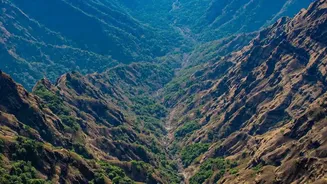
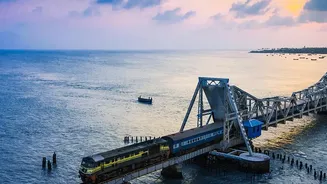
in 1998, this coastal region lacked direct rail connectivity, forcing much longer inland routes. The construction was a monumental task, carving a path through the formidable Western Ghats. Engineers built over 2,000 bridges and blasted through 91 tunnels to lay the tracks, creating what was one of the most difficult railway projects on the subcontinent. This single-line track navigates deep valleys and crosses innumerable rivers, making the journey as much about the marvel of its construction as the beauty of the landscape it traverses.
The Unmatched Monsoon Magic
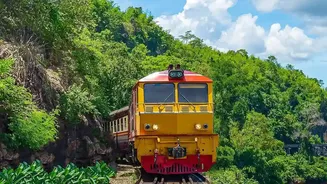
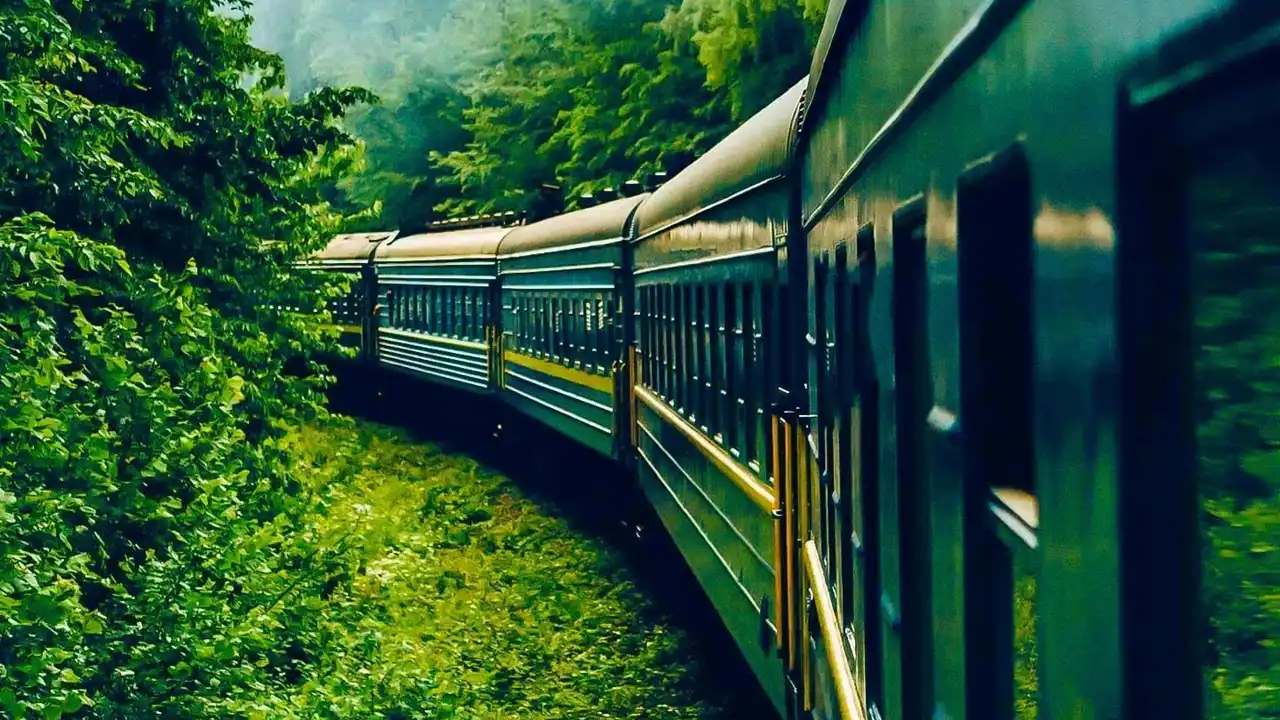
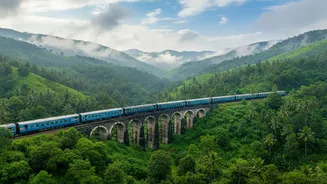
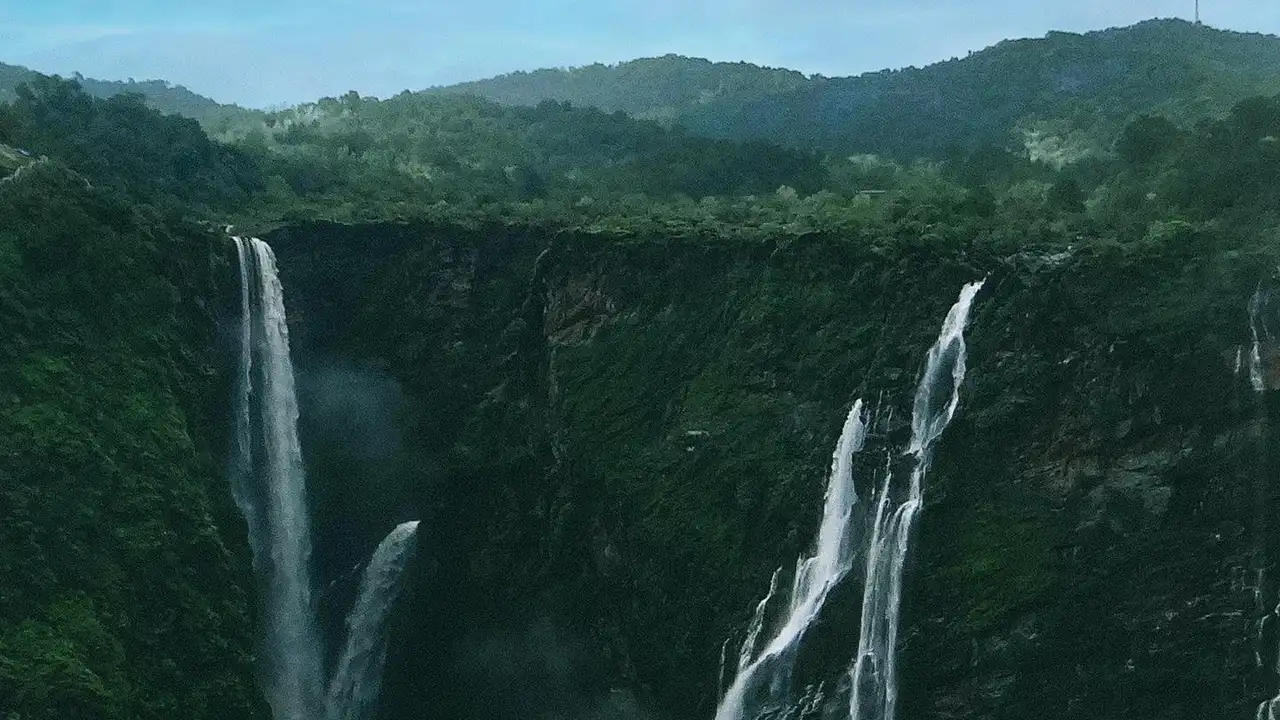
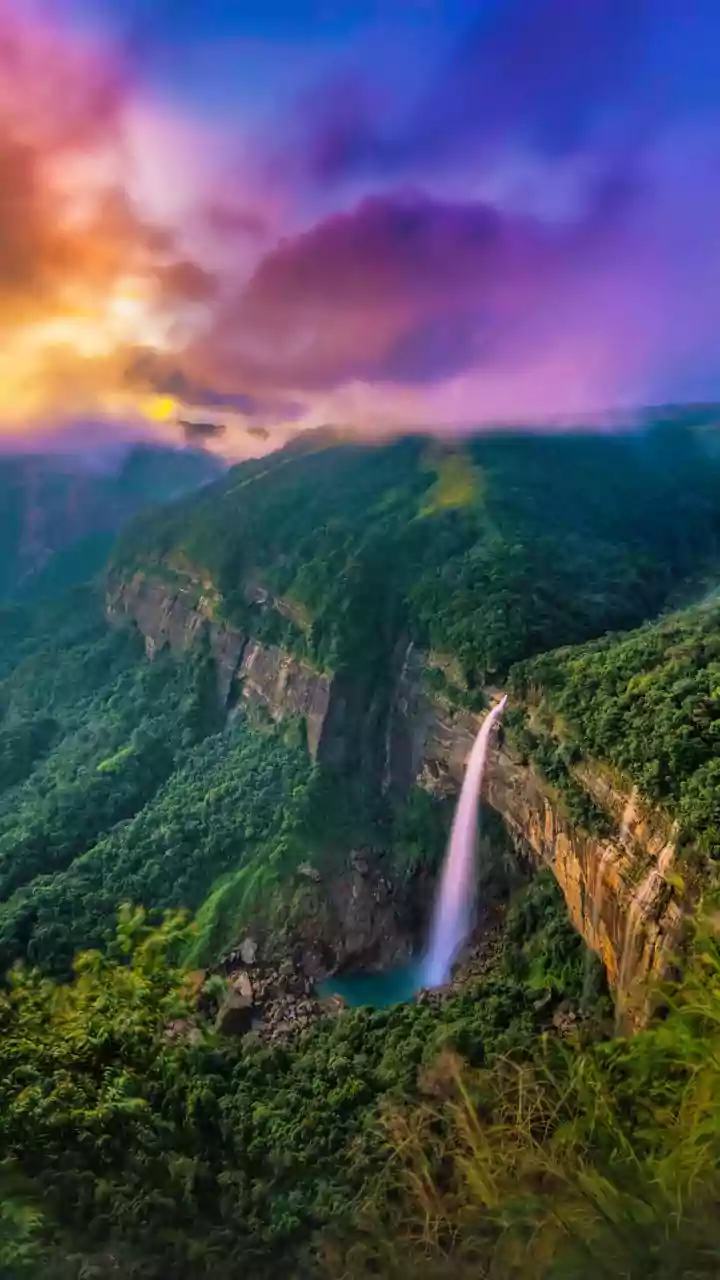
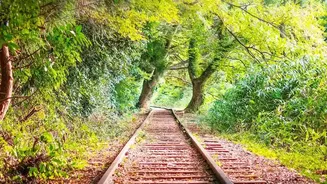
While the journey is scenic year-round, it's the monsoon season, from June to October, that truly transforms the Konkan coast into a paradise. The rain breathes life into the landscape, turning the rolling hills into a vibrant, lush green spectacle. This is when the route lives up to its reputation, with countless temporary waterfalls appearing, tumbling down the sides of the mountains and sometimes cascading right near the tracks. The rivers swell, the valleys are filled with mist, and the entire journey takes on a dreamlike quality. For photographers and nature lovers, this period offers a visual feast, as every turn reveals a new, dramatic vista of nature in its most powerful and beautiful state.
A Symphony of Tunnels and Viaducts
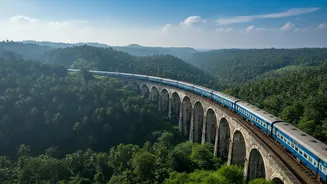
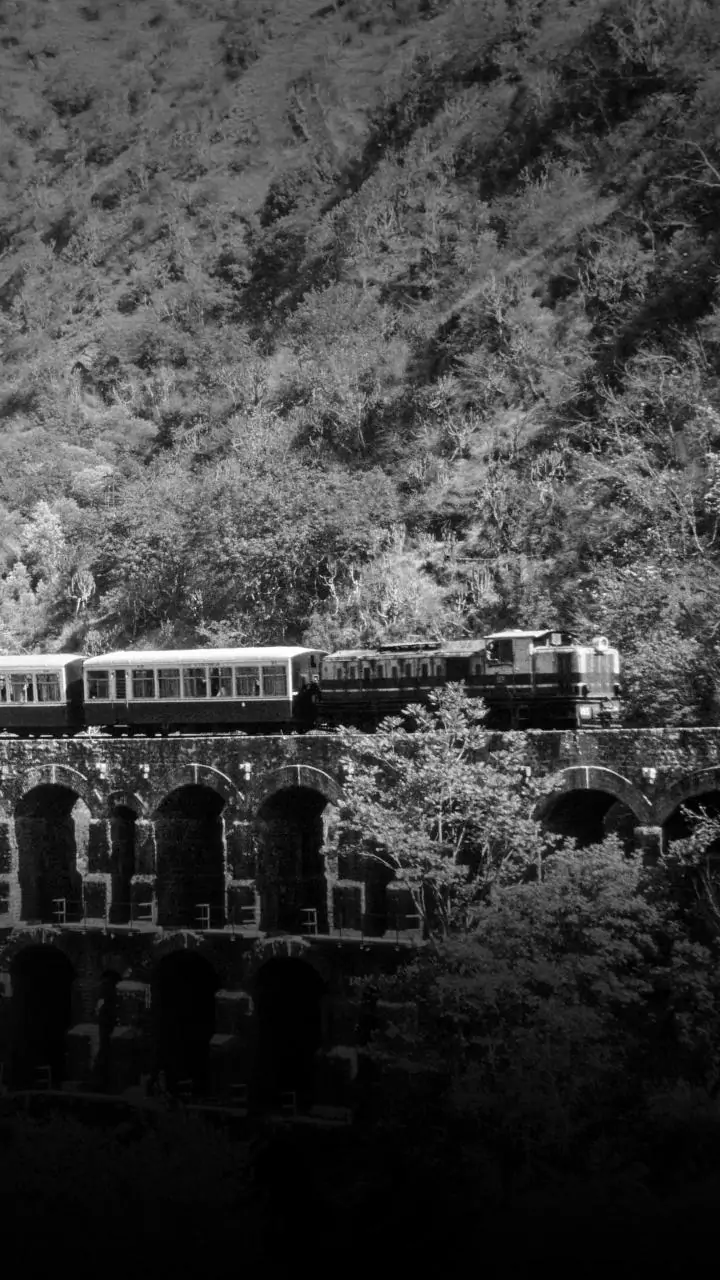
The defining characteristic of a Konkan Railway journey is the rhythmic dance between light and dark. The train plunges into one of the 91 tunnels, briefly enveloping passengers in darkness, only to emerge moments later onto a soaring viaduct with breathtaking views. One of the most impressive structures is the Panval Nadi viaduct, which stands at a staggering 64 metres tall, making it one of India's tallest. The tunnels themselves are an experience, with the longest, the Karbude Tunnel, stretching for about 6.5 kilometres. The constant transition—from the cool, echoing darkness of a tunnel to the expansive, sun-drenched (or rain-swept) panorama of a valley—is what makes this journey so unique and thrilling.
Key Sights Along the Way
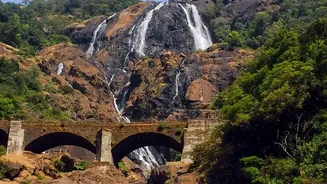
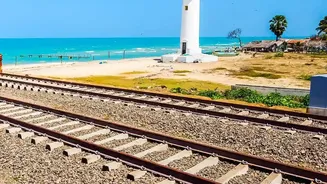
The entire route is picturesque, but certain stretches are particularly noteworthy. The section from Ratnagiri to Madgaon in Goa is famous for its enchanting coastal views and lush tropical landscapes. As the train approaches Goa, passengers are treated to glimpses of the Arabian Sea. One of the most spectacular sights, especially during the monsoon, is the Dudhsagar Falls, which can be seen from the train as it passes nearby. The journey through Karnataka offers views of serene backwaters and palm-fringed beaches, particularly around Udupi and Gokarna. Each segment of the journey offers a different flavour of the Konkan coast's diverse and rich geography.
Experience it with a Panoramic View
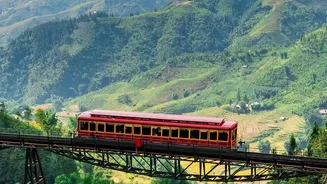
To elevate the experience, Indian Railways has introduced Vistadome coaches on several trains along this route, including the Jan Shatabdi Express. These special coaches are designed for sightseeing, featuring oversized glass windows, a transparent glass roof, and rotating seats that allow passengers to face the direction with the best view. An observation lounge at the rear of the coach provides an unparalleled panoramic vista of the tracks disappearing into the verdant landscape. These coaches offer a more immersive way to soak in the stunning scenery, making the journey feel less like travel and more like a front-row seat to one of nature’s greatest shows.