

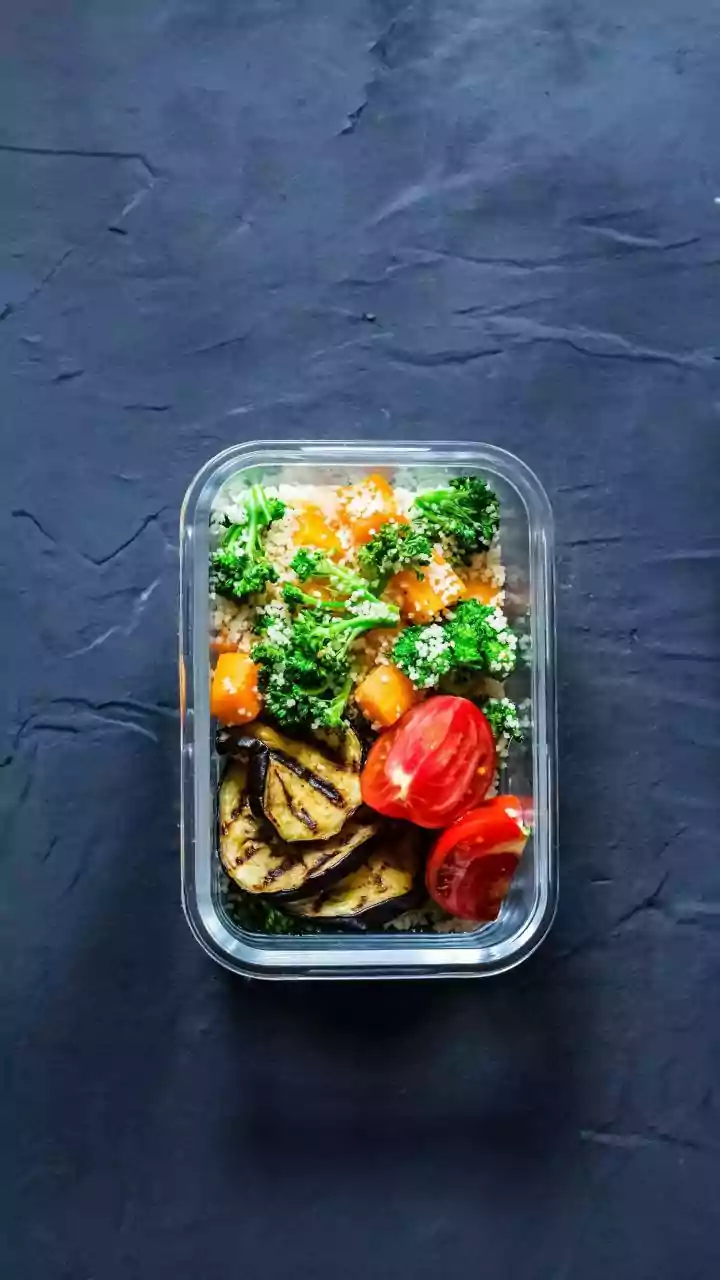






We Eat With Our Eyes First
It is an age-old saying, but modern science is proving just how true it is. A compelling body of research shows that the way food is plated has a significant impact on how we perceive its taste, quality, and, most surprisingly, its healthiness. In various
experiments, when participants are shown two identical meals—one presented with artistic flair and neatness, the other messily arranged—they consistently rate the prettier version as healthier. This happens even when they are explicitly told the ingredients and calorie counts are the same. One recent study found that simply arranging sauces on the side of a dish, rather than drizzling them all over, made diners perceive the meal as significantly healthier before they even took a bite. This psychological trick highlights a powerful bias in our brains: we associate beauty and order with positive attributes like care, quality, and wellness.
The 'Health Halo' Effect
This phenomenon is often attributed to what psychologists call the 'health halo' effect. When we see something positive, like an orderly and aesthetically pleasing arrangement, our brain tends to generalize that positivity to other unrelated attributes. We subconsciously assume that a chef who takes the care to plate a dish beautifully must have also taken the care to choose fresh, high-quality, and healthy ingredients. Studies have found that 'classical' aesthetics—think symmetrical, balanced, and centred arrangements—are particularly powerful in triggering this perception of healthiness. We associate this kind of order with naturalness and purity, which in turn makes us believe the food is better for us. The colour and shape of the plate itself can also play a role. Food served on round, white plates, for example, is often perceived as sweeter and of higher quality than the exact same food served on plates of other shapes or colours.
How to Be a Smarter Diner
For anyone trying to make healthy choices, this research offers a crucial lesson: look past the presentation. Restaurants are increasingly using the psychology of plating to their advantage. A salad with an artful drizzle of dressing or a beautifully arranged grain bowl might look like the epitome of health, but it could be hiding significant amounts of fat, sugar, and sodium. The visual appeal can make us underestimate the actual calorie count. The next time you are dining out, make a conscious effort to evaluate a dish based on its listed ingredients, not just its photo or appearance on the plate. Ask about preparation methods. Is the protein grilled or fried? Is the dressing oil-based or cream-based? Don't let a pretty plate lull you into a false sense of security. True healthiness is determined by what is in the food, not how it is arranged.
Using Plating for Good at Home
While this bias can be used to mislead, you can also harness its power for good in your own kitchen. If you or your family members are reluctant to eat vegetables or other healthy foods, changing the presentation could make a world of difference. Instead of simply putting a salad in a bowl, try arranging it on a large plate with the different ingredients separated in colourful sections. Slice fruits and vegetables with precision and arrange them in a neat pattern. These small acts of care signal to the brain that the food is special and desirable. This can make healthy meals more exciting and enjoyable, encouraging better eating habits without a single argument. Using a nice plate, wiping the rim clean, and adding a simple garnish are all easy ways to elevate a simple home-cooked meal, making it feel more satisfying and appealing.