

A Ghost in the Planetary Machine
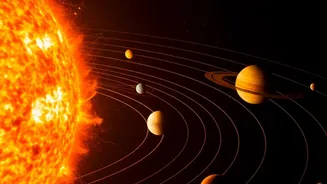
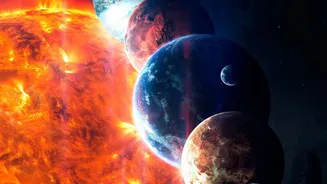
Scientists are increasingly convinced that our solar system once had a completely different configuration. A leading theory proposes that a first generation of planets, including at least one large world known as a super-Earth, once existed in the inner
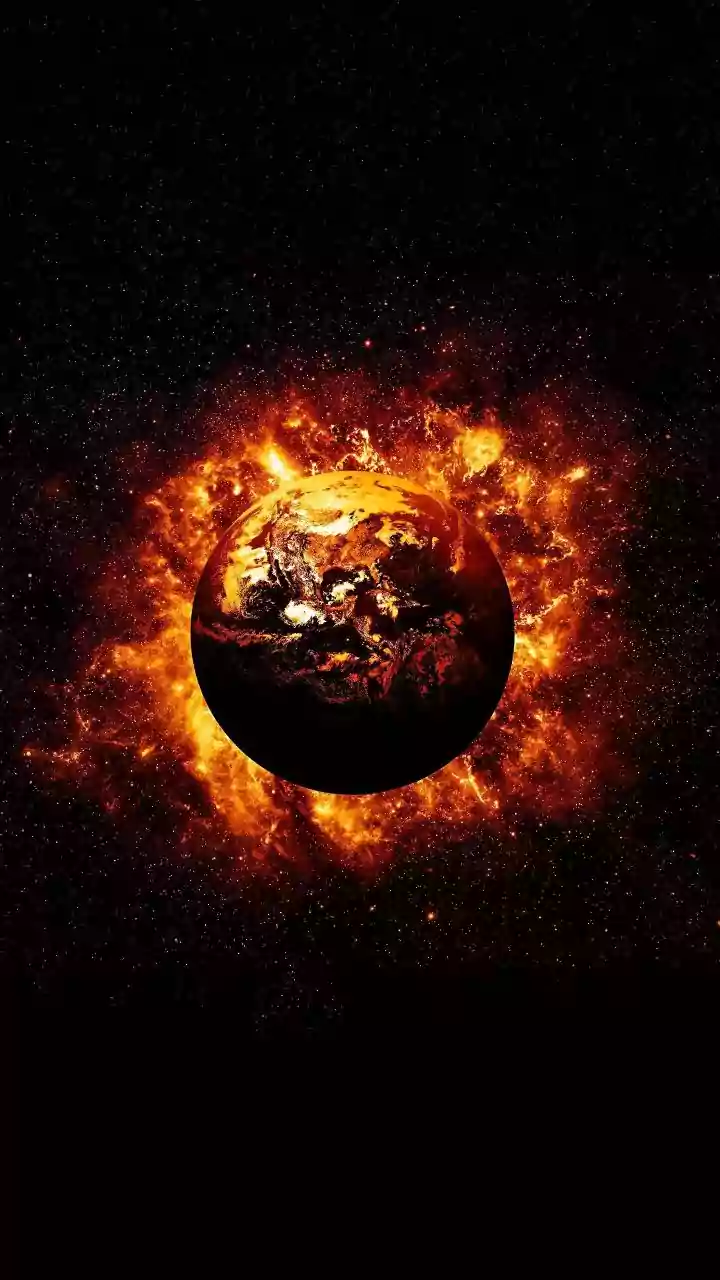
solar system. These planets are now long gone, likely destroyed billions of years ago. This isn't a story from science fiction, but a compelling hypothesis put forward by planetary scientists like Konstantin Batygin of Caltech and Stephen Kane of the University of California, Riverside. They argue that the existence—and subsequent destruction—of such a planet could solve several long-standing mysteries about why our solar system looks the way it does.
The Missing Super-Earth
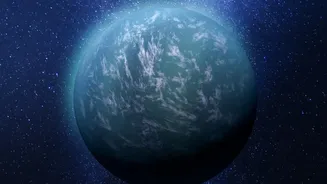
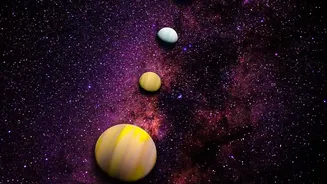
So what is a super-Earth? The term refers to a planet with a mass higher than Earth's but significantly less than that of our ice giants, Uranus and Neptune. Based on observations of thousands of other star systems, we now know that super-Earths are incredibly common throughout our galaxy. In fact, about half of the sun-like stars in our galactic neighbourhood have them. This makes our own solar system a cosmic oddity. We have small, rocky inner planets and giant outer planets, but nothing in that popular medium-size range. The region where super-Earths are typically found—fairly close to their host star—is conspicuously empty in our system. This glaring absence is the crucial piece of evidence suggesting that something cleared that space long ago.
Jupiter, The Great Wrecking Ball
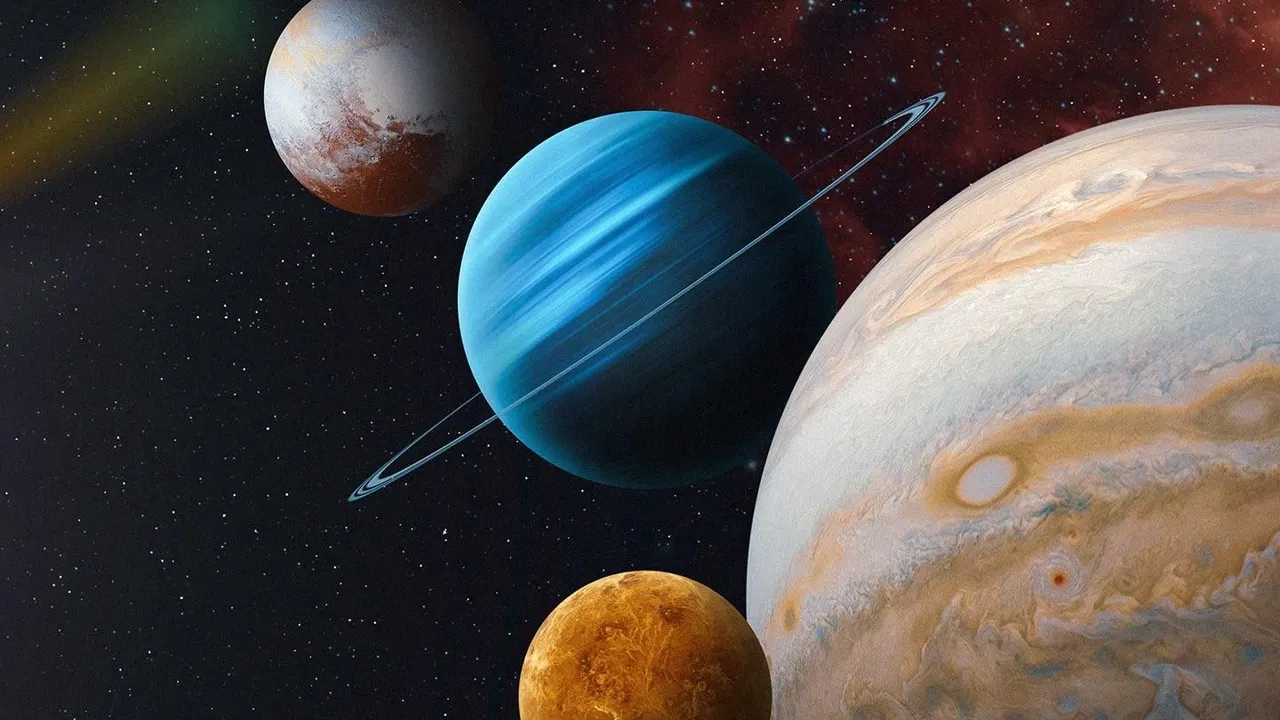
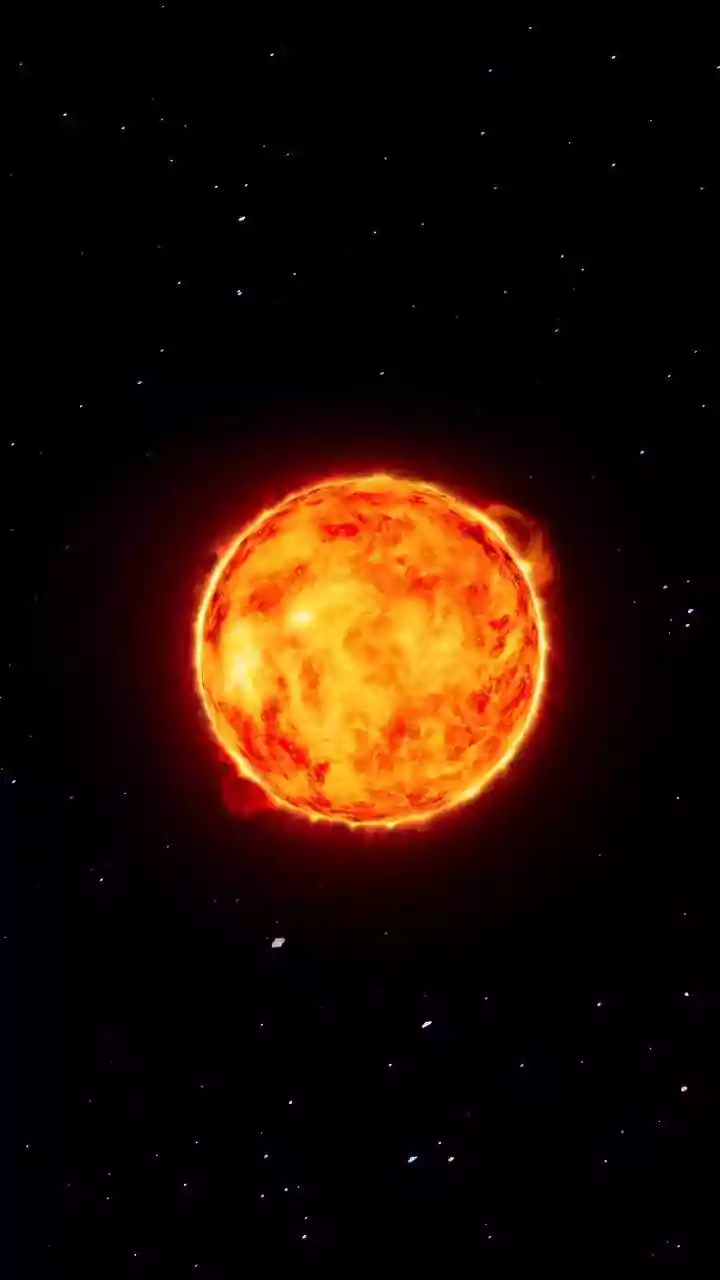
The prime suspect for this planetary demolition is Jupiter, the undisputed king of our solar system. According to a theory known as the 'Grand Tack' model, Jupiter didn't always orbit where it does today. Early in the solar system's formation, the gas giant is believed to have migrated inward, moving as close to the sun as Mars's current orbit. During this inward journey, its immense gravity would have acted like a giant wrecking ball, completely destabilizing the orbits of any early planets. Computer simulations show that as Jupiter moved, it could have swept up a cascade of planetary building blocks, known as planetesimals, and sent them hurtling toward the sun. This avalanche of debris would have, in turn, pushed any existing super-Earths onto a collision course with our star.
From Destruction to a New Beginning
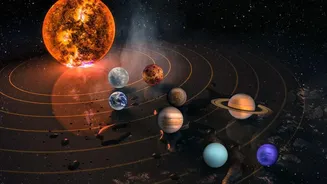
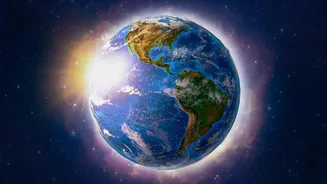
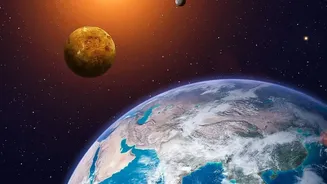
The demise of this first generation of planets wasn't just an act of destruction; it was also an act of creation. After its inward migration, Jupiter is thought to have reversed course and moved back out to its current position, a journey influenced by the formation of Saturn. As Jupiter retreated, it would have left behind a fraction of the rocky material it had dragged inward—about 10 percent of it, according to some models. This leftover debris, now occupying a much smaller and 'mass-depleted' inner solar system, eventually coalesced to form the second generation of planets: the smaller, rockier worlds we know today as Mercury, Venus, Earth, and Mars. In essence, our home planet may have only formed because a much larger predecessor was destroyed.
What It Means for Our Place in the Cosmos
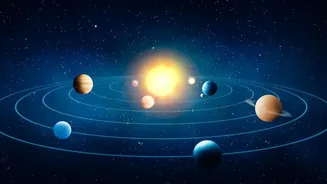
In practice, this theory fundamentally changes how we view our solar system's history. It was not a place of stately, predictable formation, but a chaotic and violent environment where entire worlds could be created and then swiftly obliterated. It helps explain the particular architecture of our system, from the small size of Mercury to the wide gap between Mars and Jupiter. It suggests our planetary arrangement might be quite rare, the result of a specific sequence of cosmic billiards that most other systems didn't experience. This understanding provides a crucial new context in the search for life elsewhere. When we look for Earth-like planets, we must now consider that the stability of their systems might be the exception, not the rule.