




A Disaster Forensically Examined
In the aftermath of the devastating August 2026 floods that killed over 1,400 people and left thousands more missing, scientists have been working to understand the precise chain of events. A new rapid-attribution study by the World Weather Attribution
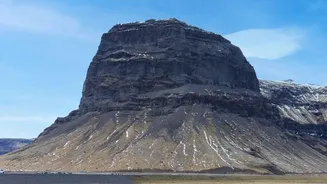
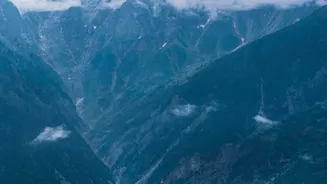
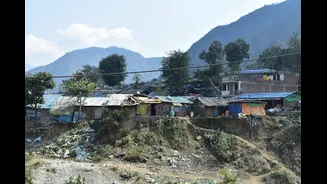
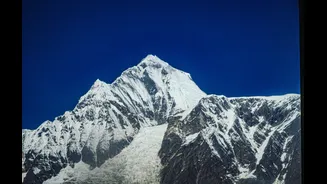
research group, published on September 17, 2026, provides the most detailed analysis yet. The report concludes that while human-caused climate change may not have been the sole trigger, it acted as a crucial 'destabilising factor' that preconditioned the mountains for collapse. The disaster began on August 26 when a colossal section of rock and glacier ice broke away from Langtang Lirung mountain, sending 110 million cubic metres of material crashing into the valley below and unleashing a torrent that moved at over 170 kilometres per hour.
Factor 1: The Thawing Mountain
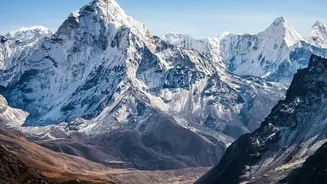
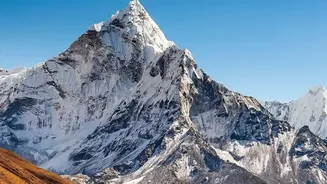
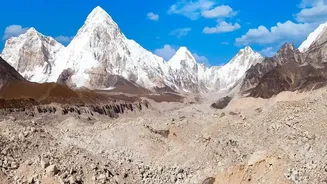
One of the clearest fingerprints of climate change identified in the study is the degradation of high-altitude permafrost. Permafrost is ground that typically remains frozen year-round, acting like a cement that holds steep, fractured rock faces together. The report found that global warming has pushed the freezing line—the altitude where the ground stays frozen—upward by approximately 100 metres per decade. This thaw weakens the structural integrity of the mountain slopes. As the icy glue melts, the rock becomes less stable and more susceptible to collapse, a process scientists believe contributed directly to the Langtang Lirung failure. Unusually warm temperatures in the weeks leading up to the disaster, the warmest on local record, likely accelerated this thawing process.
Factor 2: Thinning Glaciers and Erratic Rains
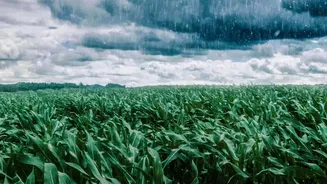
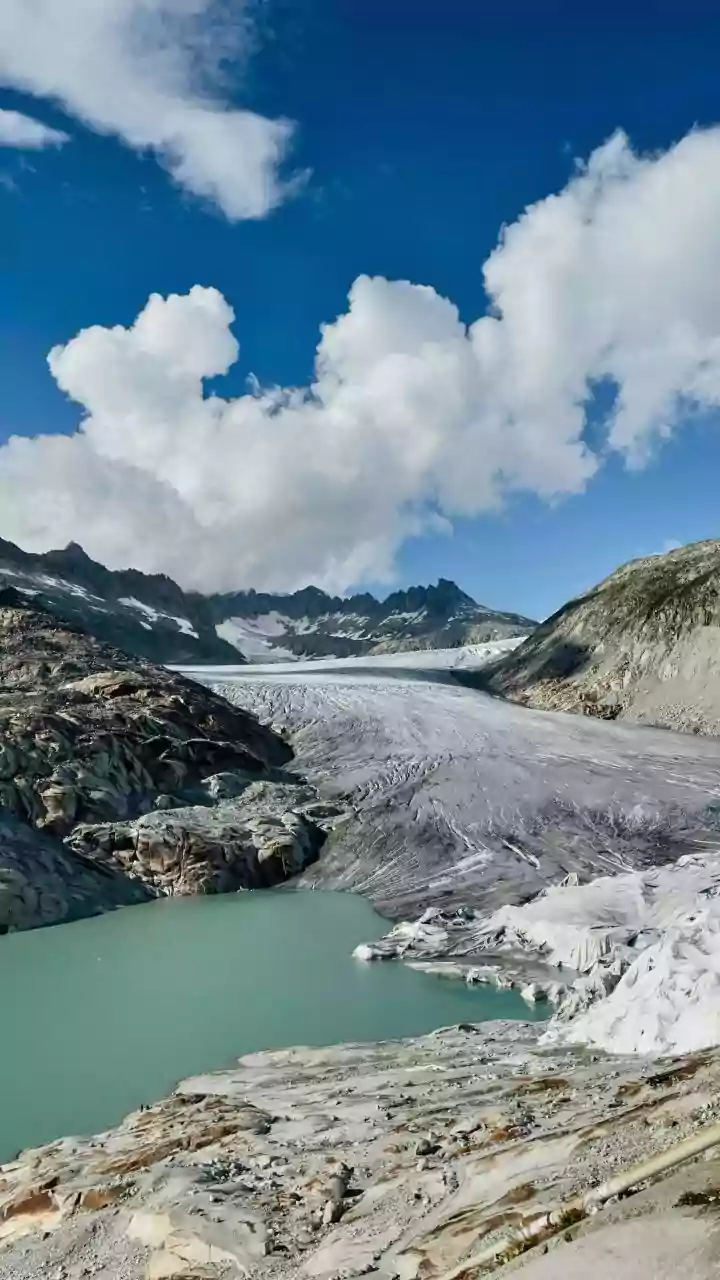
Beyond the thawing rock, the glaciers themselves are in retreat. The study notes that human-caused warming has progressively thinned Himalayan glaciers, making them inherently less stable. While this specific disaster was a rock-and-ice avalanche rather than a typical monsoon flood, the broader context of Nepal's changing climate is critical. The country's monsoon patterns have become increasingly erratic, characterized by long dry spells punctuated by short, intense bursts of extreme rainfall. This phenomenon, also driven by a warming atmosphere that can hold more moisture, saturates the ground, further destabilizing slopes and increasing the risk of landslides, which can dam rivers and lead to secondary outburst floods.
Why This Matters for India
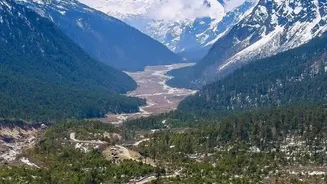
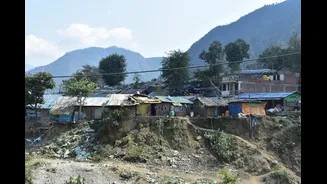
The events in Nepal are not an isolated, distant crisis; they are a direct warning for India. The rivers that carve through Nepal, including the Trishuli which was directly impacted, are part of the vast Ganges basin, which flows through the heart of northern India. The sediment and debris from such catastrophic events are carried downstream, raising riverbeds and increasing flood risk in states like Bihar and Uttar Pradesh, which already battle severe annual flooding. The instability of Himalayan glaciers—often called the 'Third Pole'—threatens the water security of over a billion people downstream in India and across South Asia. This study reinforces the understanding that climate change in the high Himalayas is a shared regional threat, where a disaster in one country has profound implications for its neighbours.
Beyond the Limits of Adaptation
Perhaps the most sobering conclusion from the report is that this event demonstrates that some regions are already reaching the limits of climate adaptation. Nepal has invested in early warning systems for floods, but the sheer speed and scale of the rock and ice collapse overwhelmed these defenses. A disaster of this nature, occurring in a remote, high-altitude area, is incredibly difficult to predict. It highlights a terrifying new reality where the changes to the physical landscape are happening so rapidly that current defensive measures are rendered insufficient. This has prompted Nepal to seek financial assistance from the UN's Loss and Damage fund, using this very study as evidence that it is paying the price for a climate crisis it did little to create.