




The Promise in the Petals
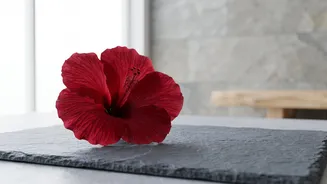
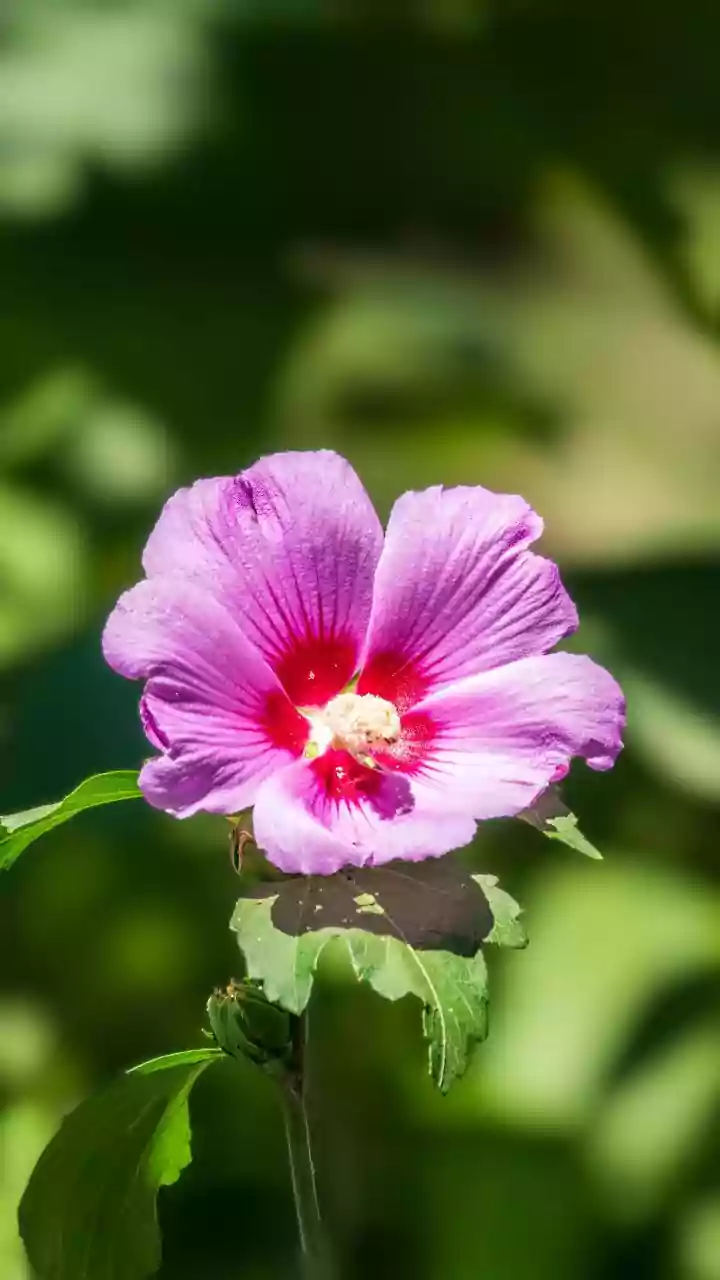
Walk down any beauty aisle, and you will see hibiscus touted as a miracle flower. Brands claim the vibrant extract can smooth fine lines, improve skin elasticity, and even mimic the effects of botox. This reputation is built on its deep roots in traditional
wellness practices across Africa and Asia, where it has been used for centuries. The appeal is powerful: a natural, plant-based ingredient that offers dramatic anti-ageing results without needles. Its marketing story often highlights natural alpha-hydroxy acids (AHAs) for exfoliation, vitamin C for brightening, and a unique ability to firm the skin, making it a seemingly perfect all-in-one solution for those seeking a youthful glow.
Deconstructing the 'Botox Plant' Myth
Let’s be clear: no plant or topical cream can replicate the effects of botulinum toxin, which works by temporarily paralysing facial muscles to smooth wrinkles. The 'botox plant' nickname for hibiscus stems from a misunderstanding of its actual mechanism. Some lab studies suggest that compounds in hibiscus, such as myricetin, can inhibit the activity of elastase, an enzyme that breaks down our skin's natural elastin. Elastin is the protein that helps our skin 'snap back' and remain firm. By slowing down its degradation, hibiscus may help preserve skin firmness over time. However, this is a slow, preventative action—a far cry from the immediate and dramatic muscle-relaxing effect of an injectable. The results are cumulative and supportive, not transformative.
What the Science Actually Supports
While the 'botox' claim is overblown, hibiscus is far from useless. Its most well-documented benefit is its powerful antioxidant activity. The flower is rich in compounds called anthocyanins, which give it its deep red colour and help protect the skin from damage caused by environmental stressors like UV radiation and pollution. It also naturally contains organic acids like citric and malic acid, which can offer mild exfoliation to brighten the skin. Furthermore, hibiscus has a high mucilage content, a sticky substance that acts as a humectant to draw moisture into the skin, providing a hydrating benefit. It's important to note, however, that much of the promising research has been conducted in labs on cell cultures (in-vitro) or on oral hibiscus supplements. The effectiveness of a topical product depends heavily on the ingredient's concentration, stability, and the formula's ability to penetrate the skin.
A Supporting Player, Not a Solo Star
So, where does this leave hibiscus in your skincare routine? It should be viewed as a valuable supporting ingredient rather than a standalone hero. Its antioxidant properties make it a fantastic addition to any routine focused on protection and prevention. Its hydrating and mildly exfoliating qualities can contribute to a smoother, brighter complexion. However, for significant changes in wrinkles and skin texture, it doesn't replace scientifically proven actives like retinoids, high-concentration vitamin C serums, or professional treatments. The presence of hibiscus in a formula is a positive, but it does not automatically make the product a miracle worker. The overall formulation, including other proven ingredients, is what truly determines a product's efficacy.
How to Be a Savvy Botanical Shopper
When you see hibiscus on a label, don't be swayed by miracle claims alone. Instead, turn a critical eye to the entire ingredient list. Does the product also contain other beneficial ingredients like niacinamide, peptides, or hyaluronic acid? Is the brand transparent about its formulations? True botanical skincare is effective when plant-based ingredients are formulated correctly and backed by science, not just by marketing stories. Ultimately, hibiscus can be a wonderful part of a healthy skincare regimen, but it's essential to manage expectations. Enjoy it for its antioxidant protection and gentle hydration, but don't expect it to erase a decade of wrinkles overnight.