



Beyond the Bitter Bite
Amla's intense flavour—a powerful combination of sour, astringent, and slightly bitter notes—is precisely what makes it such a dynamic ingredient in the kitchen. While challenging on its own, this complexity allows it to be transformed in countless ways.
The key is balance. When paired with sweet, salty, or spicy elements, amla’s sharpness mellows, and its unique fruity undertones emerge, adding a bright, tangy dimension to both sweet and savoury dishes. Thinking of it less as a standalone fruit and more as a natural souring agent, much like tamarind or lemon, unlocks a world of possibilities.
The Sweet Transformation: Murabba and Candy
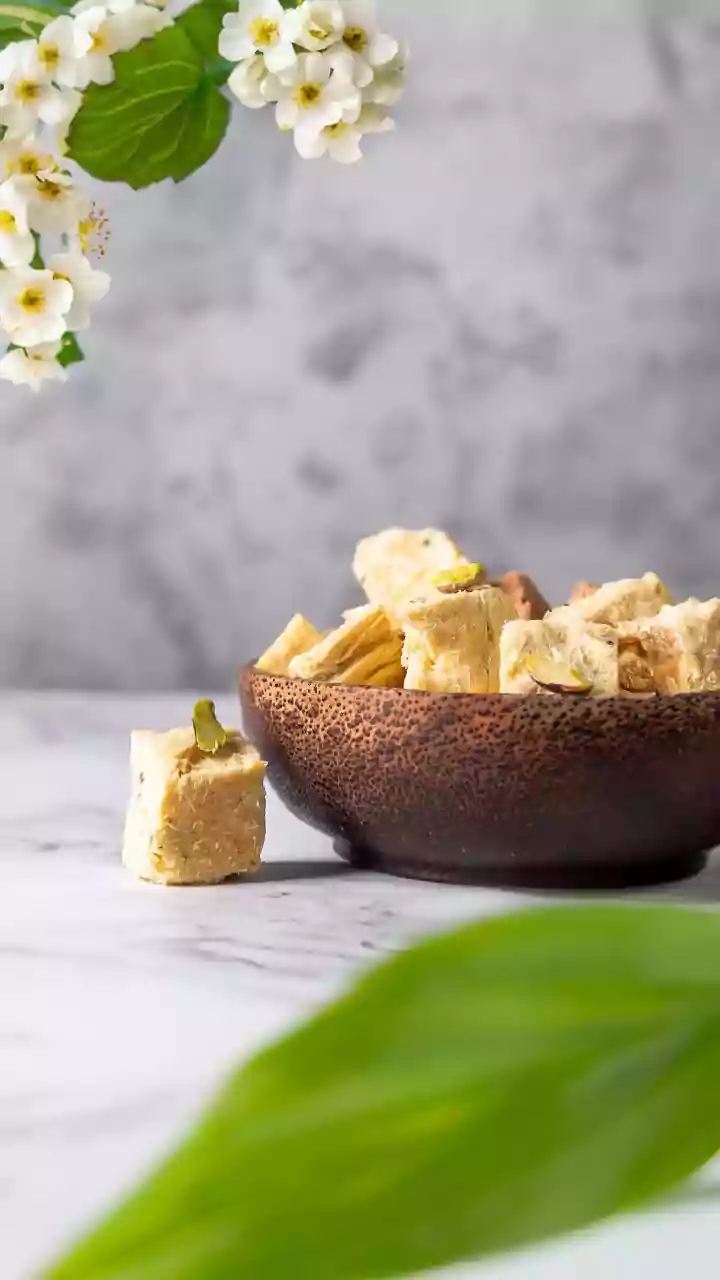
Perhaps the most beloved way to enjoy amla is in a murabba, a sweet preserve where the berries are slow-cooked in a sugary syrup. The process typically involves boiling or steaming the amla until tender, then immersing them in a syrup made from sugar or jaggery, often spiced with cardamom. This preparation masterfully balances the fruit's tartness, resulting in soft, translucent globes of sweet and sour delight that can be enjoyed as a dessert or a side dish. A simpler version is amla candy, where slices of the fruit are cooked and coated in sugar, then dried, creating a chewy, flavour-packed snack.
A Tangy Kick: Chutneys and Pickles
Amla truly shines in the world of pickles and chutneys, where its sourness is celebrated. A classic amla pickle combines steamed fruit pieces with mustard oil, fenugreek seeds, chilli powder, and other spices for a fiery and tangy condiment that pairs beautifully with rice and rotis. Chutneys offer even more versatility. You can make a sweet and spicy version by cooking grated amla with jaggery and spices like cumin and fennel seeds until it forms a thick, jam-like consistency. Alternatively, a fresh, vibrant chutney can be made by blending raw amla with coriander, mint, ginger, and green chillies for an instant flavour boost.
From Savoury Dishes to Refreshing Drinks
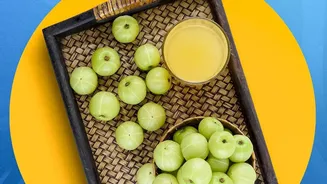
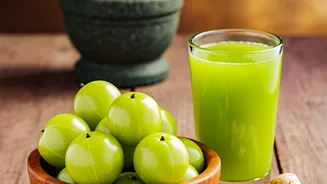
Amla's use as a souring agent extends to everyday cooking. A small amount of grated amla can be added to dals, giving them a pleasant tang without the need for tomatoes or tamarind. It also forms the base for tangy rice dishes like nellikai sadam, where it's sautéed with mustard seeds, curry leaves, and peanuts before being mixed with cooked rice. In liquid form, amla is just as versatile. While a shot of pure juice is a popular health tonic, it becomes far more palatable when blended into smoothies with sweet fruits like banana or pineapple. You can also make a refreshing cooler by mixing amla juice with mint, black salt, and a touch of honey or jaggery.
Food Ideas, Not Cure-Alls
While amla is packed with nutrients, particularly Vitamin C, it's important to frame these recipes as delicious food ideas rather than miracle cures. Amla murabba, for instance, is a wonderful treat, but it is also high in sugar. Similarly, pickles can be high in salt and oil. Enjoying amla in these varied culinary forms is a fantastic way to incorporate this superfood into your diet, celebrating its unique flavour and nutritional profile as part of a balanced lifestyle. The goal is to move amla from the medicine cabinet to the pantry, appreciating it for the flavour and excitement it can bring to your meals.