



What Exactly Is Tai Chi?
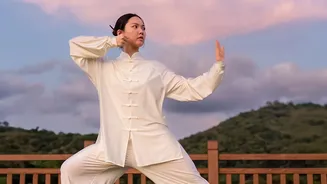
Often described as 'meditation in motion,' Tai Chi is an internal martial art practiced for its health and relaxation benefits. It involves a series of slow, flowing movements that are coordinated with deep, mindful breathing. Unlike high-impact exercises,
Tai Chi is gentle on the joints, making it suitable for people of all ages and fitness levels. The practice is rooted in the idea of balancing the body's energy, or 'Qi,' to improve overall well-being. The core principles revolve around softness, slowness, and using the mind to guide the body's movements, creating a unique harmony between physical action and mental focus.
The Powerful Benefits of a Gentle Practice
Don't let the gentle nature of Tai Chi fool you; its health benefits are well-documented and profound. Physically, regular practice can significantly improve balance, flexibility, and coordination. Studies have shown it helps reduce the risk of falls, particularly in older adults, by strengthening muscles and enhancing proprioception—your body's ability to sense its position in space. Mentally, the focus on slow movement and breath acts as a powerful stress-reducer. It calms the nervous system, helps lower blood pressure, and can improve mood and mental clarity. Many practitioners find it helps quiet a racing mind, offering a moment of tranquility in a hectic day.
Your Living Room Is the Perfect Studio
The beauty of indoor Tai Chi lies in its adaptability. You do not need a sprawling, empty room to begin. All you require is enough space to stand and extend your arms to the front and sides without hitting furniture. A small patch of your living room, bedroom, or even a wide hallway can suffice. The movements are generally contained and deliberate, meaning you won't be leaping or lunging across the floor. This makes it an ideal practice for those in apartments or homes with limited space. The key is to have a clear, safe area where you feel comfortable and can move without obstruction.
Getting Started: No Gear Required
One of the most significant barriers to starting a new fitness routine is the cost of equipment. Tai Chi elegantly removes this obstacle. There is no special gear to buy. The only recommendation is to wear loose, comfortable clothing that allows for a full range of motion. Footwear is also simple: you can practice barefoot, in socks, or in flat, comfortable shoes to help you feel grounded and stable. The focus is entirely on your body and your breath, not on accessories. This 'no equipment' rule underscores the practice's accessibility, making it a truly democratic form of exercise that anyone can start at any time.
Finding Your Flow with Online Resources
While in-person classes offer community and direct feedback, it has become easier than ever to learn Tai Chi from the comfort of your own home. A wealth of online resources, from free videos on platforms like YouTube to structured courses from dedicated Tai Chi institutes, can guide you through the fundamentals. Many online classes are designed specifically for beginners, breaking down movements step-by-step. When starting out, focus on foundational principles like maintaining a relaxed posture, sinking your weight, and moving from your centre. Consistency is more important than perfection. Even 15-20 minutes a day can lead to noticeable benefits, helping you build a sustainable and rewarding personal practice.