




The Sacred Heartbeat: Bhoger Khichuri
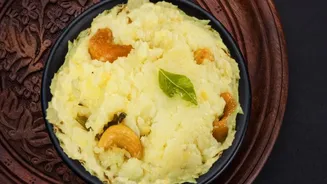
At the very centre of Durga Puja's culinary universe is Bhoger Khichuri. This isn't just any rice and lentil dish; it's a fragrant, soul-satisfying preparation made with roasted moong dal, gobindobhog rice, and a medley of mild spices and ghee. Offered
first to the Goddess as 'bhog' (a divine offering), it is then distributed to devotees. Eating this khichuri, often served with a mixed vegetable dish called labra, is considered a form of receiving blessings. It's a taste of pure devotion, a community meal that transcends social barriers and unites everyone in the pandal.
The Perfect Pair: Luchi and Aloor Dom
Imagine soft, puffy, deep-fried bread that is light as air—that's luchi. During Durga Puja, this quintessential Bengali bread is an absolute must, moving beyond the bhog platter and onto the plates of festive family meals at home. Its most faithful companion is Aloor Dom, a slow-cooked potato curry where baby potatoes are simmered in a rich, spiced gravy. The combination of a fluffy luchi torn and dipped into the flavourful aloor dom is pure comfort, a taste of festive indulgence that many Bengalis associate with homecoming and celebration.
The Pandal-Hopping Fuel: Kathi Rolls
When the sun sets and pandal-hopping begins, the streets of Kolkata transform into a massive food court. The undisputed king of this on-the-go feasting is the Kathi Roll. A flaky, ghee-laden paratha is wrapped around a filling of your choice—be it egg, spiced chicken, or mutton—along with sliced onions and tangy sauces. Portable, filling, and bursting with flavour, the Kathi roll is the perfect fuel for a long night of exploring the creative artistry of different pandals. It's a taste of Kolkata's legendary street food culture, enjoyed by all.
The Carnivore's Delight: Kosha Mangsho
While the bhog served in pandals is strictly vegetarian, Bengali homes and restaurants embrace non-vegetarian delicacies during the festival. Chief among them is Kosha Mangsho, a slow-cooked mutton curry with a rich, thick, and intensely flavourful gravy. The meat becomes incredibly tender, falling off the bone, having absorbed the deep flavours of ginger, garlic, onions, and a blend of aromatic spices. Paired with luchi or fine rice, it represents the celebratory, indulgent side of the Puja feast, a special dish reserved for cherished family gatherings.
The Crunchy Munchies: Telebhaja
‘Telebhaja’ simply means ‘fried in oil,’ but this humble term covers a universe of irresistible crispy snacks. During Durga Puja, makeshift stalls spring up everywhere, their large woks sizzling with an array of fritters. Popular choices include Beguni (eggplant slices dipped in batter and fried), Aloo Chop (spiced potato patty), and Peyaji (onion fritters). Served hot with a sprinkle of black salt, these snacks are the perfect accompaniment to afternoon adda (chat sessions) and an essential part of the street-side culinary adventure.
The Sweet Surrender: Mishti
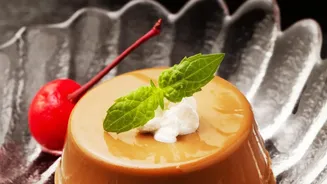
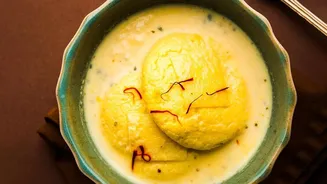
No Bengali celebration is complete without an array of sweets, or 'mishti'. Durga Puja is the grandest stage for these confections. Sweet shops are filled to the brim with classics like Sandesh, a delicate sweet made from fresh cottage cheese (chhena), and Rosogolla, the iconic spongy balls soaked in syrup. Another star is Mishti Doi, a sweetened, fermented yogurt with a creamy texture and caramel-like flavour. From the payesh (rice pudding) in the bhog to the box of sandesh shared with friends, sweets are the currency of joy and goodwill during the festival.