


The Comfort of the Monsoon
The month of Sawan, or Shravan, is synonymous with the monsoon, a time of spiritual significance, fasting, and a distinct shift in what our bodies crave. The cooler, damp weather makes us naturally gravitate towards warm, freshly prepared meals that soothe
from within. It's a season where digestion is considered to be weaker, making light, easy-to-digest foods preferable. A warm bowl of something sweet and nourishing not only provides physical comfort but also an emotional lift, perfectly complementing the calm, cosy atmosphere of a rainy day.
A Fasting Favourite
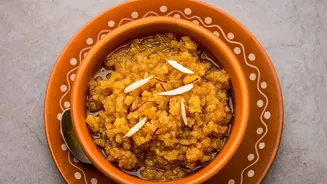
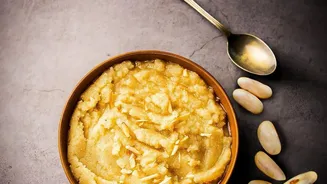
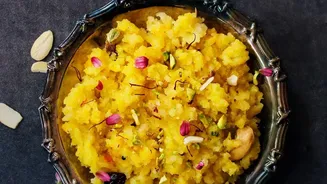
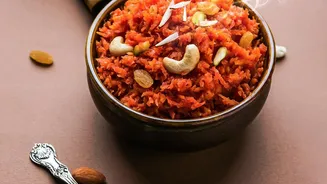
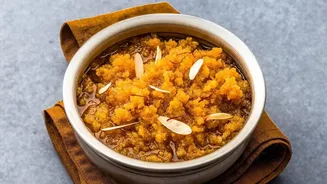
Aloo Halwa holds a special place in the culinary traditions of Sawan. Potatoes are a staple during Hindu fasts (vrat) because they are not grains and are considered a permissible, or 'falahari', food. They are an excellent source of carbohydrates, providing sustained energy, which is particularly beneficial when observing a fast. This makes Aloo Halwa a popular choice for those fasting on Sawan Mondays (Somwar) or during other religious occasions like Navratri and Ekadashi. Simple, sattvic (pure and light), and filling, it aligns perfectly with the dietary principles of the season.
Your Guide to Perfect Aloo Halwa
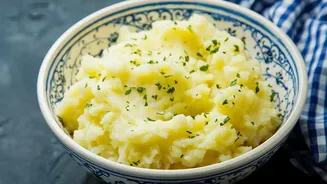
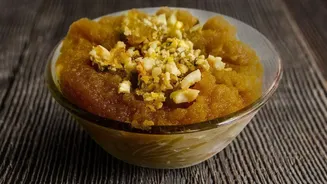
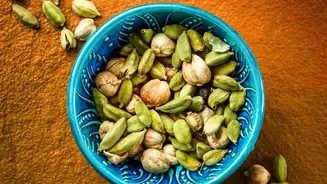
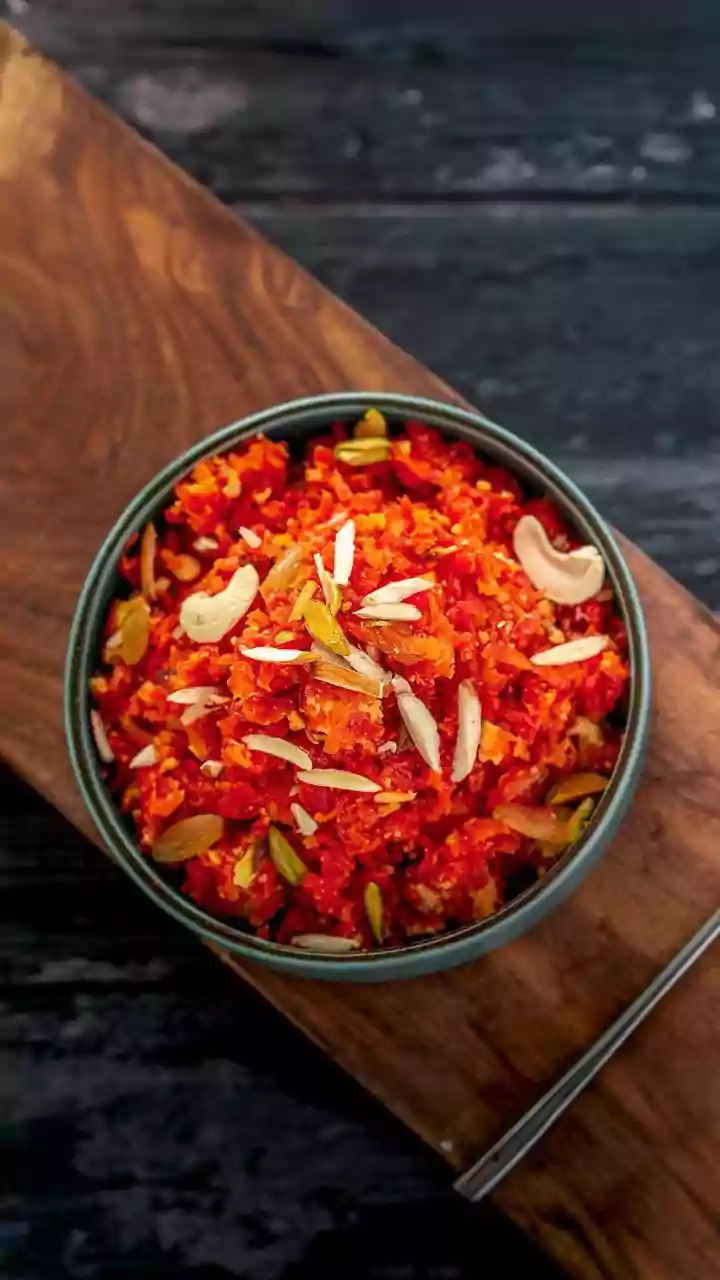
This dessert is surprisingly simple, requiring just a few pantry staples. The magic lies in the slow-roasting, which transforms humble potatoes into a rich, decadent treat. Grating the boiled potatoes is a key step to ensure a smooth, lump-free texture. Ingredients: 500g potatoes (about 3-4 medium), boiled and peeled 4 tablespoons desi ghee (clarified butter) ½ cup sugar (adjust to your taste) ¼ cup milk (optional, for a creamier texture) ½ teaspoon cardamom powder A pinch of saffron strands (optional) * 2 tablespoons chopped nuts (almonds, pistachios) for garnish Method: 1. Once the boiled potatoes have cooled slightly, peel and grate them. 2. Heat the ghee in a heavy-bottomed pan over a medium flame. 3. Add the grated potatoes to the pan. Sauté continuously for about 10-15 minutes. The potatoes will gradually change colour, becoming golden brown and releasing a nutty aroma as they absorb the ghee. 4. Once the potato mixture is well-roasted and starts to leave the sides of the pan, add the sugar. 5. Keep stirring as the sugar melts. The mixture will become loose at first, but continue to cook, stirring constantly, until it thickens again. 6. If using, you can add warm milk at this stage along with saffron for extra richness and colour. Continue to cook until the halwa thickens. 7. Finally, stir in the cardamom powder and mix well. 8. Serve the halwa hot, garnished with your favourite chopped nuts.
Tips for Rich Flavour and Texture
To elevate your Aloo Halwa from good to great, a few details matter. Always use good quality desi ghee; its flavour is central to the dish and cannot be substituted with oil. Be patient during the roasting process. The browning of the potato is what develops the deep, caramelized flavour that makes the halwa so delicious. Don't rush this step. Finally, feel free to customize your garnish. While almonds and pistachios are classic, you can also add raisins or a touch of saffron-infused milk to make the dessert even more special and aromatic.