




A Journey Beyond the Coastline
While Portugal's golden sands and vibrant cities have long captured the attention of travellers, a quieter, more profound experience is gaining ground in the country’s vast interior. A growing number of visitors are trading coastal resorts for the country's
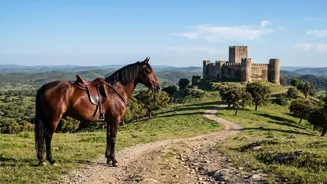
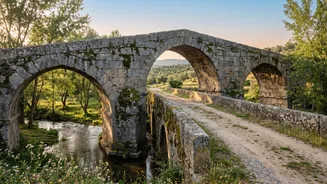
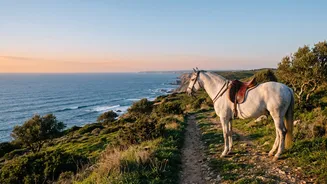
rustic heartland, exploring its rich tapestry of history and culture on horseback. This form of slow tourism offers an immersive alternative, connecting riders to the landscape in a way that a car window never could. It is a journey back in time, following paths trodden for centuries and discovering a side of Portugal that remains largely untouched by mass tourism.
Riding Through Centuries of History
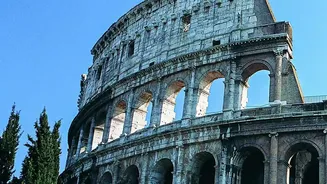
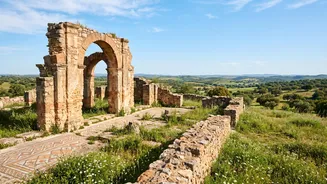
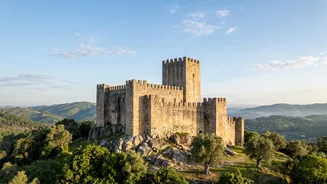
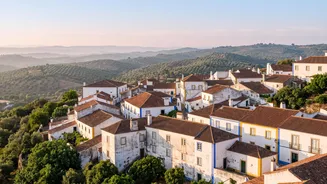
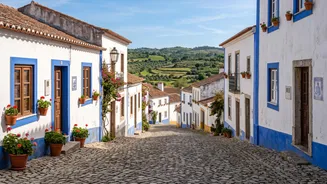
Equestrian travel in Portugal is far more than a simple nature trek; it's an active exploration of the nation’s heritage. In regions like the Alentejo and Ribatejo, riders can trace ancient smuggling routes along the Spanish border, visit the hilltop medieval village of Marvão, or discover the ruins of the Roman city of Ammaia. Trails wind through a varied landscape of rolling hills, expansive vineyards, and dense cork oak forests. Accommodation is often in traditional rural guesthouses, known as 'quintas', where travellers experience authentic Portuguese hospitality, complete with local cuisine and wine. The pace is unhurried, with days spent covering ground at a walk, trot, and canter, punctuated by picnic lunches in scenic spots.
The Lusitano: A Partner in History
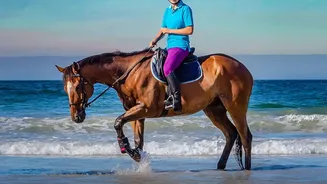
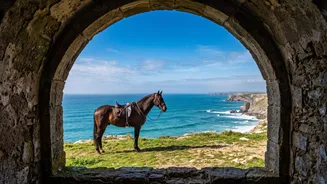
Central to this experience is the horse itself: the noble Lusitano. This Portuguese breed is a descendant of the ancient Iberian horse and is celebrated for its intelligence, courage, and gentle temperament. For centuries, these horses were bred for classical dressage, bullfighting, and as mounts for the royal cavalry. Today, their willing nature and sure-footedness make them ideal partners for trail riding. Many tours incorporate visits to famous stud farms, such as the historic Alter Real, founded by King D. João V in 1748. This state-run stud is dedicated to preserving the purebred Lusitano and offers a living link to Portugal's equestrian legacy, allowing visitors to see the lineage of the very horses they are riding.
A Sustainable Boost for Rural Life
This brand of tourism does more than just provide a unique vacation; it delivers tangible benefits to Portugal's rural communities. By bringing visitors to less-travelled regions, it creates a sustainable economic pipeline that supports local guides, small guesthouse owners, and producers of regional food and handicrafts. The focus on small-group travel ensures that the environmental and cultural impact is minimal, preserving the very authenticity that makes the experience so special. It represents a responsible travel model that fosters a direct connection between the visitor and the host community, ensuring that tourism dollars support the preservation of local heritage and a traditional way of life.
What to Expect on the Trail
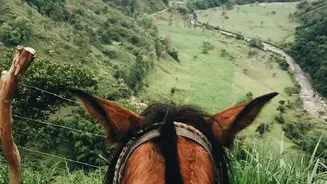
A typical horseback holiday lasts about a week, with four to six hours spent in the saddle each day. These trips are generally geared towards intermediate and experienced riders who are comfortable at all paces, including canters and gallops along open tracks. The small group sizes allow for a personalised experience, led by knowledgeable local guides who share stories about the region's history, flora, and fauna. The journey is as much about the moments off the horse—savouring a meal of authentic regional cuisine, tasting local wines, or simply relaxing by a pool at a quiet country estate—as it is about the ride itself.