

The Challenge: More Than Just a Footprint
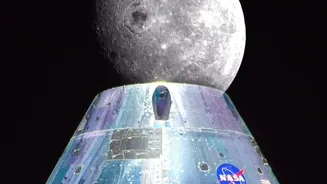
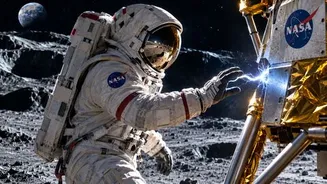
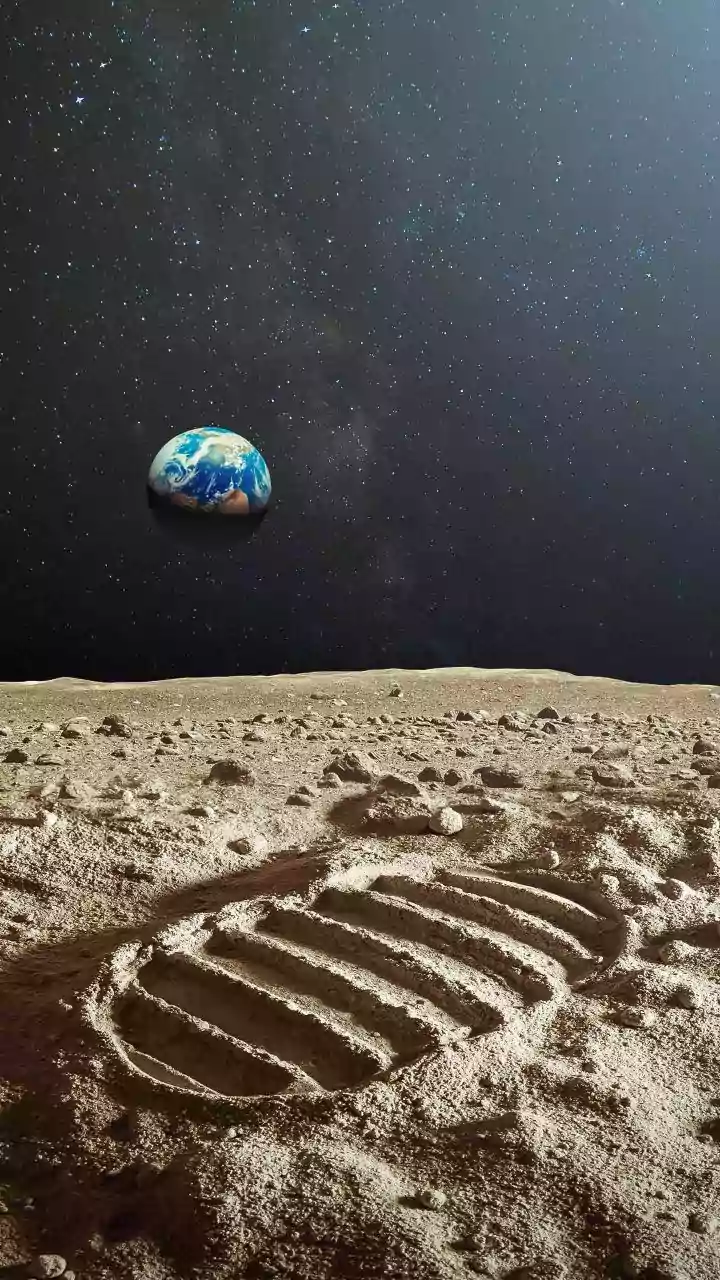
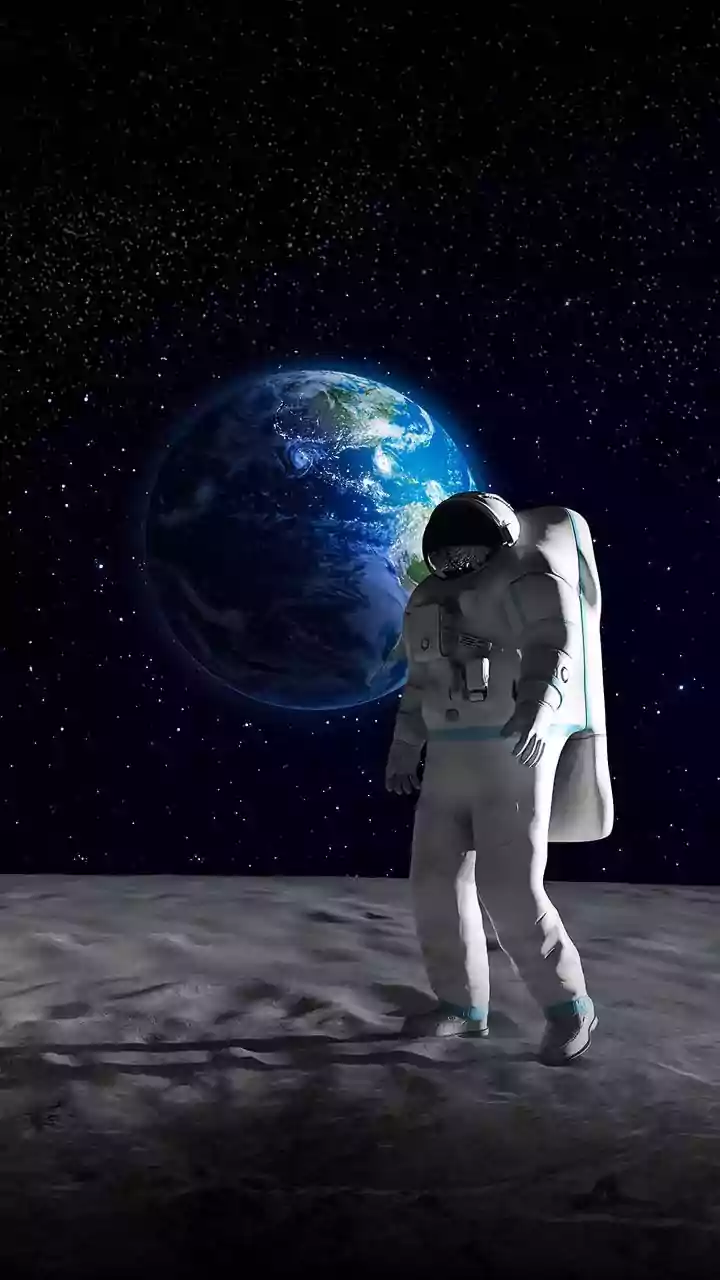
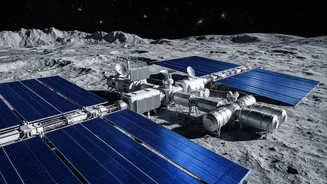
More than half a century after the Apollo missions left flags and footprints, NASA's Artemis program aims to establish a permanent, sustainable human presence on the Moon. The plan includes the 'Artemis Base Camp', a research outpost at the lunar South
Pole where astronauts will live, work, and explore. To accelerate the development of the technology needed, NASA has launched the Moon Base Challenge, a competition inviting U.S. high school and college students to help design the future of lunar living. With a $1 million prize pool, the agency is tapping into the ingenuity of the next generation to solve some of its toughest problems. The challenge is divided into six key areas: power systems, habitat construction, life support, surface mobility, communications, and astronaut safety.
The Great Lunar Obstacles
Living on the Moon isn't just about building an airtight structure; it's about surviving a uniquely hostile environment. One of the biggest hurdles is power. The lunar night lasts for about 14 Earth days, subjecting everything to cryogenic temperatures and cutting off solar power. Any successful base must have a robust system for generating and storing electricity to survive the darkness. Another major threat is the lunar regolith, or dust. Unlike Earth dust, it is composed of microscopic, jagged shards of volcanic glass created by billions of years of micrometeoroid impacts. This abrasive material can damage equipment, clog seals, and pose serious health risks to astronauts. On top of that, without a protective atmosphere, any habitat must provide shielding from extreme temperature swings, constant cosmic radiation, and micrometeorite strikes.
From Power Grids to Life Support
The Moon Base Challenge asks participants to tackle these problems head-on. For construction, NASA is highly interested in ideas for 'in-situ resource utilization' (ISRU), which means using materials found on the Moon itself. Imagine 3D-printing bricks from lunar soil instead of hauling them from Earth, a process that would dramatically reduce the cost and complexity of construction. For mobility, astronauts will need reliable vehicles—both unpressurized rovers for short trips and larger, pressurized platforms for longer expeditions—that can navigate the rugged, dusty terrain. And of course, there are the fundamentals of life itself. The challenge seeks creative solutions for closed-loop life support systems that can efficiently recycle air and water, manage waste, and keep astronauts healthy hundreds of thousands of miles from home.
Why Crowdsource Innovation?
Turning to the public, and specifically students, is a strategic move for NASA. It's a way to generate a wide array of fresh, unconventional ideas that might be missed within traditional aerospace circles. Competitions like this often produce novel solutions at a fraction of the cost of typical research and development contracts. By engaging students in real-world problems, NASA is also cultivating the skills and passion needed for the next generation of aerospace engineers, scientists, and explorers. The challenge isn't just about finding a single winning design; it's about building a community of innovators and ensuring that the human drive to explore has a deep well of talent to draw from for decades to come. It connects classroom learning directly to the forefront of space exploration, giving participants a chance to contribute to a historic undertaking.