
The Psychology on Your Plate
Before a single bite touches your lips, your brain has already made a judgment about the meal in front of you. This fascinating field, sometimes called gastrophysics, explores how our dining experience is shaped by much more than flavour. Everything from
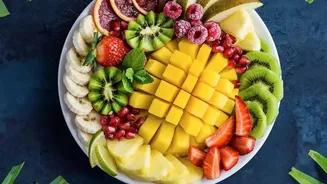
the weight of the cutlery to the colour of the plate plays a role in our perception of taste, quality, and even how healthy we believe a food is. Research shows that a beautifully arranged plate can make food seem more appetising and actually enhance its perceived taste because the visual appeal stimulates our senses and prepares the body for digestion. Essentially, the plate is not just a passive holder for your food; it's an active ingredient in the experience, capable of subtly influencing your enjoyment and choices.
The Illusion of Size
If you're watching your portion sizes, your plate might be your biggest saboteur. The Delboeuf illusion, an optical trick discovered in the 19th century, shows that we perceive sizes differently based on their surroundings. The same amount of food can look significantly smaller on a large plate than it does on a small one. This visual misperception often leads people to serve themselves more food on larger plates, thinking the portion is inadequate. Studies have shown that simply switching from a 12-inch to a 10-inch plate can lead to a substantial reduction in the amount of food eaten. This happens because the smaller plate makes the serving appear more abundant, signaling to your brain a sense of satisfaction with less food.
A Spectrum of Taste
The colour of your dinnerware can profoundly alter your perception of flavour. White plates are a classic in fine dining for a reason: they provide a high-contrast background that makes the colours of the food pop, which can enhance perceived freshness and quality. Studies have found that food served on a white, round plate is often perceived as sweeter and more intense in flavour. In contrast, a strawberry dessert might seem less sweet on a dark plate. Colour contrast also plays a key role in portion control. When there's low contrast between the food and the plate—like serving pasta with tomato sauce on a red plate—people tend to serve themselves more, as the portion is less visually distinct. Other colours have their own associations; for instance, some research suggests snacks can taste saltier when eaten from blue or red bowls.
The Shape of Things to Come
While colour gets much of the attention, the shape of the plate also sends subtle signals. Round plates are often associated with comfort, tradition, and sweeter tastes. Angular or square plates, on the other hand, can lend a more modern, sophisticated feel to a dish. Some research suggests that the interaction between shape and colour is complex. For example, one study found that while a round white plate enhanced sweetness, there wasn't a significant taste perception difference between round and square black plates. Even the shape of the food itself can influence taste, with rounder shapes often being associated with sweetness. These preferences might be based on learned associations or a preference for the familiar over the novel.
Plated to Perfection, Perceived as Healthy
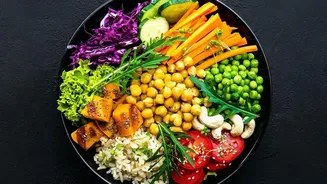
The arrangement of food on the plate is a powerful tool for shaping our first impressions, particularly regarding healthiness. Research indicates that consumers tend to perceive food that is presented in a neat, orderly, and balanced way as being healthier. One recent study found that a piece of fish was rated as healthier when its sauces were placed in minimal, neat dabs on the side, compared to when the same sauces were drizzled artfully across the plate. The researchers suggest this might be because we associate simpler, less crowded designs with more natural or wholesome products. This 'pretty is healthy' bias shows how aesthetic arrangement can create a 'health halo' around a dish, influencing our judgment before we even consider the nutritional facts.