





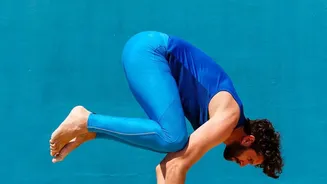
The Foundation: Yoga for Flexibility and Control
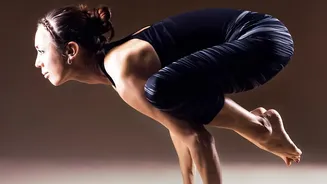
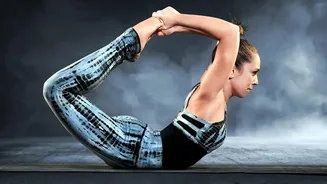
At its core, athletic mobility isn't just about being flexible; it's about having strength and control through a full range of motion. This is where yoga lays the essential groundwork. While many associate yoga with simple stretching, its true benefit
for athletes is in building functional flexibility and stability. Poses like Warrior II and Triangle Pose don't just lengthen muscles; they teach you to stabilize your joints and engage your core, improving balance and body awareness. This heightened mind-body connection is crucial for injury prevention. By regularly practicing yoga, you train your body to move more efficiently, strengthening the smaller stabilizing muscles around major joints like the hips, shoulders, and ankles. This creates a resilient foundation, allowing your body to handle the dynamic, high-impact forces of more intense activities without breaking down. Think of it as upgrading your body's internal support system.
The Engine: Skipping for Agility and Power
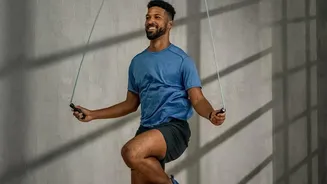
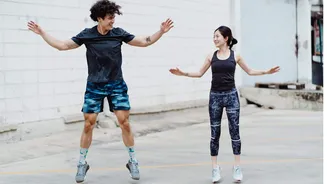
If yoga builds the foundation, skipping (or jump rope) is the engine that drives athletic dynamism. Far more than a playground pastime, skipping is a top-tier conditioning tool for improving cardiovascular health, coordination, and footwork. The repetitive, rhythmic motion trains you to be light and quick on the balls of your feet, dramatically improving foot speed and agility. Each jump is a low-level plyometric exercise, which enhances the stretch-shortening cycle—your body's ability to absorb and redirect force quickly. This builds reactive strength in your lower legs, making you more explosive and efficient in sports that require quick changes in direction. Furthermore, skipping demands constant communication between your hands, feet, and brain, sharpening neuromuscular coordination. This develops a rhythm and timing that directly translates to better performance on the court, field, or in the ring.
The Synergy: Why Stillness Powers Explosive Movement
The true magic happens when these two practices are combined. The flexibility and joint stability gained from yoga directly protect the body from the high-impact nature of skipping. Supple muscles and open joints are less prone to the strains and sprains that can occur during repetitive jumping. Conversely, the cardiovascular intensity of skipping elevates your heart rate in a way that many yoga practices do not, creating a well-rounded fitness profile. The body awareness honed in yoga enhances the quality of your skipping footwork. You become more attuned to your alignment and balance, allowing for more precise and controlled movements. The breathwork (pranayama) central to yoga can also be a game-changer for endurance. By learning to breathe more efficiently, you can better manage fatigue during intense skipping sessions. In essence, yoga provides the control and resilience, while skipping provides the power and responsiveness. Together, they forge an athlete who is not just flexible or fast, but mobile, durable, and coordinated.
Building a Balanced Routine
Integrating yoga and skipping into your routine doesn't have to be complicated. The two can be used in the same session or on alternate days. Using dynamic yoga flows, like Sun Salutations, can serve as an excellent warm-up to prepare your muscles and joints for a skipping workout. This primes the body for movement and reduces injury risk. Alternatively, a session of slower, deeper stretching and restorative yoga is an ideal cool-down after skipping. This helps lengthen muscles that have been working hard, aids recovery, and calms the nervous system. You could also dedicate specific days to each discipline—for instance, two days of high-intensity skipping and footwork drills, and two or three days dedicated to a longer yoga practice focused on mobility and recovery. The key is to listen to your body and find a balance that leaves you feeling strong, open, and ready for any physical challenge.