



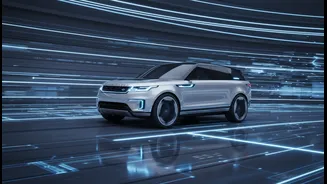


An Electric Heart for a British Icon
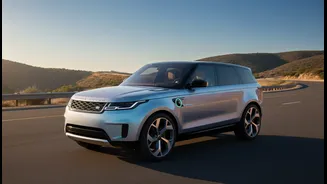
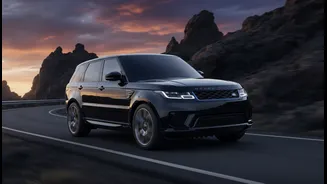
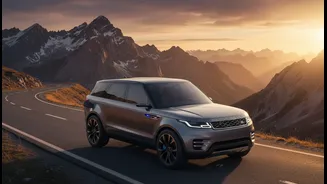
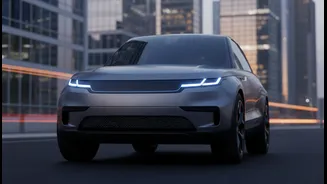
The arrival of the Range Rover Sport Electric marks a pivotal moment for one of Britain's most storied automotive nameplates. Built on the flexible Modular Longitudinal Architecture (MLA) platform, which was designed from the start to accommodate electric,
hybrid, and internal combustion powertrains, this is no mere conversion. This strategic approach ensures that the fundamental character of the Range Rover Sport remains intact, without the packaging compromises that can affect vehicles not originally designed for batteries. The electric model will feature a dual-motor setup providing all-wheel drive, with early reports suggesting power outputs around 542 horsepower. By integrating the battery pack low in the chassis, engineers have lowered the vehicle's center of gravity, which promises to enhance stability and handling, making the electric version feel more planted and agile than its petrol-powered siblings.
The Power of 800-Volt Charging
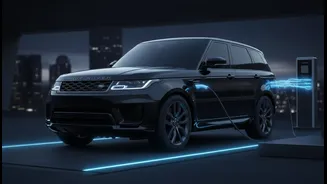
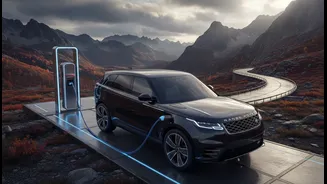
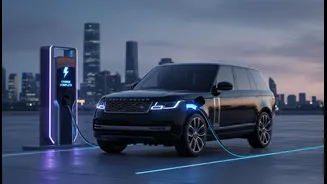
One of the standout features of the new Sport Electric is its 800-volt electrical architecture. This technology, shared with high-performance EVs like the Porsche Taycan, is a significant leap from the 400-volt systems found in many current electric cars. The primary benefit for owners is dramatically faster charging speeds. While final figures are still under wraps, an 800V system can support DC fast charging rates of up to 350 kW. In practical terms, this could mean replenishing the large 118.5 kWh battery from 10% to 80% in approximately 20 minutes, a crucial factor for long-distance travel and overall convenience. This focus on rapid charging addresses one of the key concerns for potential EV buyers and positions the Sport Electric to compete effectively with the fastest-charging vehicles on the market, reducing downtime and making electric ownership more practical than ever.
Agility Redefined with Rear-Wheel Steering
To manage its considerable size and power while delivering the brand's signature blend of comfort and capability, the Range Rover Sport Electric will be equipped with an advanced all-wheel steering system. This technology allows the rear wheels to turn slightly, providing distinct advantages in different driving scenarios. At low speeds, the rear wheels turn in the opposite direction to the front wheels, effectively shortening the wheelbase and creating a much tighter turning circle. This makes maneuvering in tight city streets or parking lots as easy as in a much smaller hatchback. At higher speeds, the rear wheels turn in the same direction as the front ones, enhancing stability during lane changes and fast corners. This dual-action system ensures that the Sport Electric is not only nimble in urban environments but also exceptionally composed and confident on the open road.
Performance and the Competitive Edge
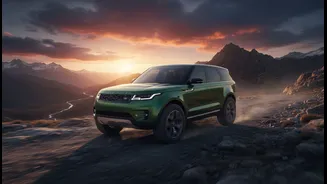
The combination of instant electric torque, a powerful dual-motor setup, and sophisticated chassis technology promises to make this the most dynamic Range Rover Sport to date. Prototypes have been praised for their smooth, linear power delivery and refined quietness, traits that are naturally enhanced by electrification. However, the luxury EV SUV space is fiercely competitive. The Sport Electric will go head-to-head with established rivals like the BMW iX and upcoming challengers like the Porsche Cayenne Electric. While some critics have noted that its projected range of around 530 kilometers might be modest compared to some rivals, Land Rover is banking on its ultra-fast charging and unparalleled blend of luxury, on-road dynamics, and off-road prowess to win over buyers. The seamless power delivery is also a significant benefit in off-road situations, offering finer control than a traditional engine.