






The Protein Push in Your Pantry
From Parle and Britannia to Amul and ITC, major Indian food brands are reformulating their most familiar products to include a protein boost. This trend has moved well beyond the niche shelves of gyms and health stores and into the everyday grocery basket.
Quick commerce platforms have reported a staggering 150% increase in orders for protein-related products over the past two years. This includes not only traditional sources like paneer and eggs but also a new generation of fortified staples. Think protein-enriched atta, biscuits that promise more than just taste, high-protein instant noodles, and yogurts that double as a nutritional supplement. This wave is touching almost every category, signaling a fundamental change in what companies are offering and what consumers are buying.
A Nation's Growing Health Consciousness
The primary driver behind this trend is the Indian consumer. There is a growing awareness around health, wellness, and preventative nutrition. This shift is fueled by a deeper understanding of the widespread protein deficiency in Indian diets, which are often carbohydrate-heavy. Studies have indicated that a large percentage of the urban Indian population may be protein-deficient, a gap that consumers are now actively trying to close. The demand is no longer limited to bodybuilders or elite athletes. It’s coming from everyday families, working professionals, and even older adults who see protein as essential for maintaining strength and overall health. This consciousness is also spreading geographically, with demand from Tier-II and Tier-III cities growing faster than in the metros, indicating a nationwide movement toward more mindful eating.
The Billion-Dollar Business of Better Foods
For food companies, this trend is a golden opportunity. Adding protein allows them to innovate within established categories, differentiate their products from competitors, and command a higher price. It's a key part of the 'premiumisation' wave, where consumers are willing to pay more for products with added health benefits. The market size reflects this potential. India's protein-based products market was valued in the billions of dollars in 2024 and is projected to grow substantially over the next decade. By fortifying familiar, trusted products, brands can tap into this lucrative market without asking consumers to drastically change their eating habits. Instead of convincing someone to try a new, unfamiliar health food, they can offer a healthier version of the biscuit or snack they already love.
The Science of a Tastier, Healthier Bite
Adding protein to foods like biscuits or beverages is not as simple as just mixing in a scoop of powder. One of the biggest challenges for food scientists is the impact on taste and texture. Early attempts at fortification often resulted in products that were chalky, dense, or had a distinct, unpleasant aftertaste. However, advancements in food technology are changing the game. Companies are now using new-generation plant proteins, such as those derived from peas, which have a more neutral flavour profile. Furthermore, they are employing sophisticated 'taste modulation' techniques and flavour solutions to mask undesirable notes and ensure that the final product—be it a cookie or a yogurt—is just as delicious as its non-fortified counterpart. This focus on sensory experience is crucial for winning over the mainstream consumer.
Reading Between the Protein Labels
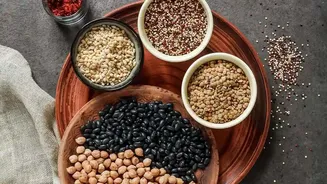
While the protein boom offers convenience, nutrition experts advise a balanced perspective. A 'high protein' claim on the front of a package doesn't automatically make a product healthy. It's still important to read the full nutrition label to check for levels of added sugar, sodium, and saturated fats, which can sometimes be high in processed fortified foods. Nutritionists stress that these products should be seen as a way to supplement the diet, not replace whole foods. A diet built on naturally protein-rich ingredients like dal, legumes, paneer, eggs, and nuts remains the foundation of good health. Fortified snacks can be a useful tool for filling nutritional gaps, especially for those with busy schedules or reduced appetites, but they work best as part of a balanced and varied diet.