




A Once-in-a-Century Discovery
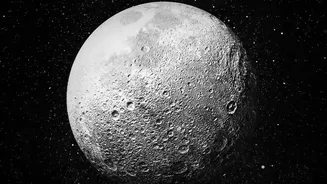
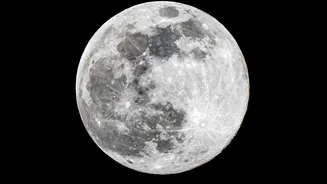
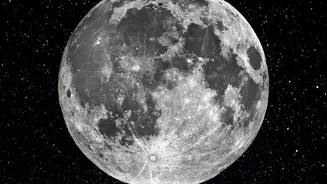
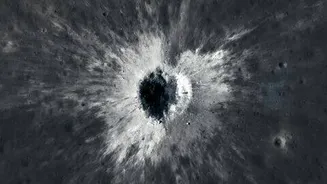
Scientists have officially named the feature McGetchin crater, after the late lunar scientist Thomas McGetchin. It measures an impressive 728 feet (222 meters) across and is about 141 feet (43 meters) deep. To put that in perspective, it is larger than
the Roman Colosseum and wider than two football fields laid end-to-end. This isn't just another pockmark on the lunar surface; it is the largest newly formed impact crater ever identified in our solar system. Events of this magnitude are exceptionally rare, estimated to occur on the Moon only once every 100 to 132 years, making this a scientifically priceless, 'once-in-a-lifetime' observation.
How Did Everyone Miss It?
The object that carved out McGetchin crater, believed to be an asteroid or comet fragment the size of a three-to-six-story building, slammed into the Moon sometime between April and May of 2024. Despite the violence of the impact, it went completely undetected by telescopes on Earth and in space at the time. The discovery only happened more than a year later, in August and October of 2025. A scientist conducting a routine data check of images from NASA's Lunar Reconnaissance Orbiter (LRO) noticed a large, bright spot that wasn't there in previous scans. It took comparing years of 'before and after' images captured by the LRO, which has been circling the Moon since 2009, to confirm the crater's existence and pinpoint when it formed.
A Treasure Trove of New Data
While the undetected nature of the impact is startling, the discovery is a boon for science. Studying a fresh crater gives researchers a rare glimpse into the immediate effects of an impact before the harsh environment of space begins to erode it. The collision churned up the lunar surface for more than 100 kilometers, hurling dust and rock much farther and at higher angles than some models predicted. Scientists also found a 4-mile-wide (about 7 kilometers) 'cold spot' around the crater, where the impact appears to have loosened and fluffed up the lunar topsoil, or regolith. One scientist compared the effect to gardening, as the impact churned up materials from below the surface.
Rethinking the Lunar Surface
The LRO has spotted over 1,000 new craters during its mission, but McGetchin is three times bigger than the previous record-holder. This constant bombardment, now dramatically highlighted by this massive new crater, is changing our understanding of how quickly the lunar surface evolves. Earlier theories suggested the top layer of lunar soil gets overturned over very long timescales. However, data from LRO suggests the top inch of soil is being churned every 80,000 years, a much faster rate. This implies that the iconic Apollo footprints left by astronauts won't last as forever as once believed. For future lunar missions, this discovery provides critical information for designing habitats that can withstand the risk of debris from distant impacts.