

A Story in Every Weave
Long before they became a darling of interior designers, baskets were fundamental objects in human history, used for everything from carrying harvests to storing household goods. This deep-rooted heritage is part of their enduring power. Each woven basket is a testament
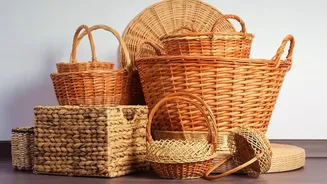
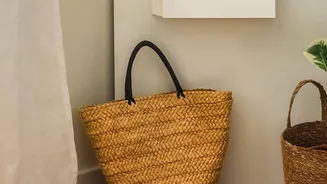
to artisanal skill, often passed down through generations. Unlike factory-made plastic tubs, a handcrafted basket made from materials like seagrass, rattan, or jute carries a story. Its minor imperfections and unique weave tell of its origin and the hands that shaped it, adding a layer of authenticity that mass-produced items lack. Choosing these pieces is a nod to heritage crafts and a conscious move away from disposable decor.
The Soothing Power of Natural Textures
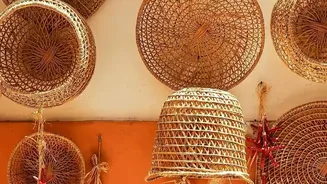
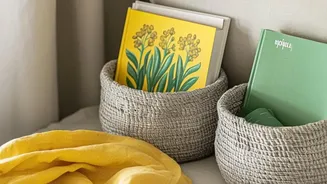
A key reason for the baskets' lasting appeal lies in their texture. Interior design is increasingly focused on how a space feels, not just how it looks. This is where biophilic design—the practice of connecting our indoor spaces with nature—comes in. Natural textures like woven fibres have a psychologically calming effect. They break up the monotony of flat, smooth surfaces like walls and floors, adding visual interest and a sense of warmth. The organic, irregular patterns found in natural materials can reduce stress and create a more inviting atmosphere. In a room dominated by sleek, modern furniture, a woven basket can provide a much-needed touch of softness and grounding.
Versatility is Their Superpower
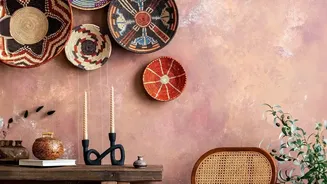
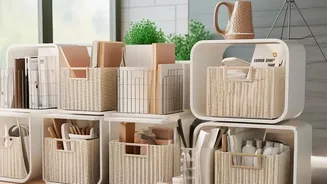
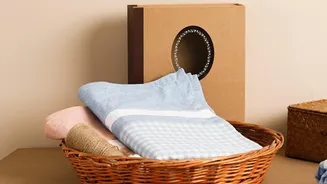
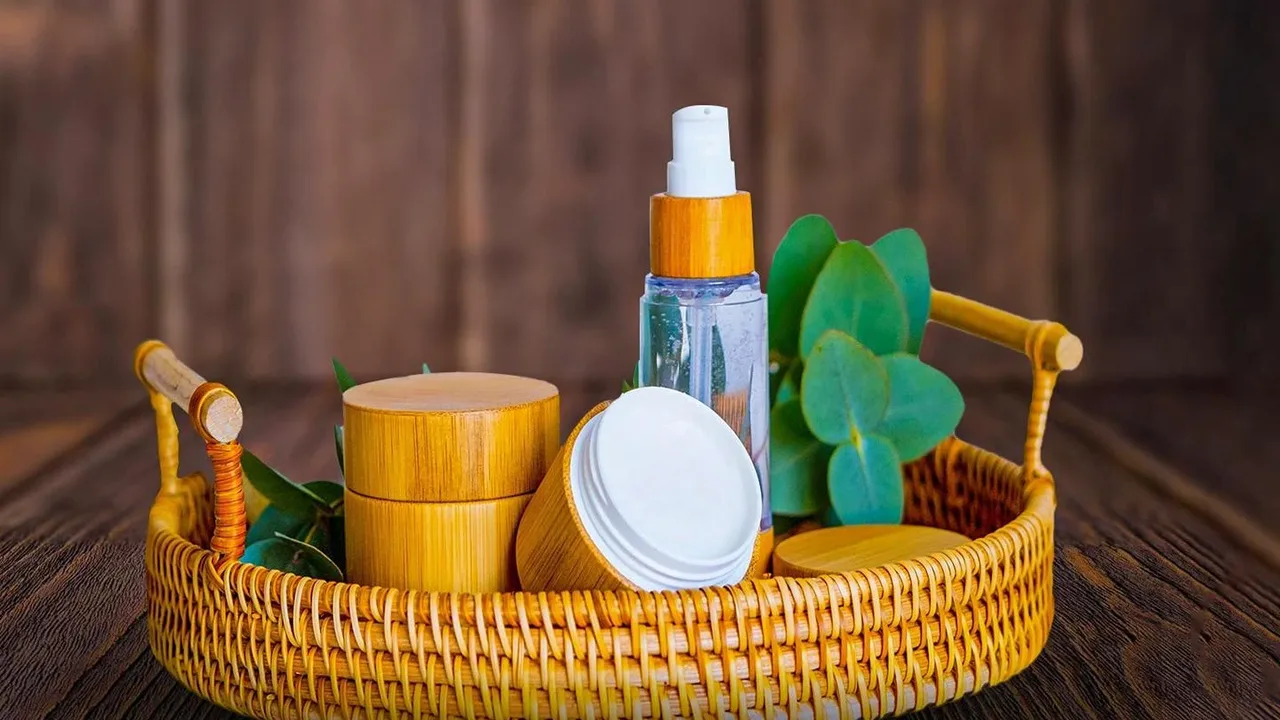
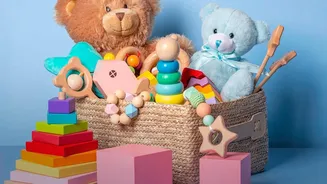
Perhaps the most practical reason for their essential status is their incredible versatility. Woven baskets are organisational powerhouses in disguise. In the living room, a large basket can stylishly hold throw blankets and cushions. In a child's room, they become chic toy bins. In the entryway, they are perfect for corralling shoes and scarves. But their function extends far beyond simple storage. Group a collection of smaller, flatter baskets on a wall for a stunning piece of art. Use a sturdy basket as an attractive planter for a large indoor plant, or place a small one on a kitchen counter to hold fruits and vegetables. Their uses are limited only by your imagination, making them one of the most functional decorative items you can own.
Sustainable Style That Feels Good
As homeowners become more environmentally conscious, the demand for sustainable decor is on the rise. Handcrafted baskets perfectly align with this movement. They are typically made from renewable, biodegradable materials like bamboo, jute, and water hyacinth, making them an eco-friendly choice compared to plastic or synthetic alternatives. This shift towards "slow decor" celebrates items that are made to last and have a smaller environmental footprint. Supporting the creation of these baskets also often means supporting local artisans and preserving traditional craft techniques. Filling your home with pieces that are both beautiful and ethical creates a space that you can truly feel good about.