




The Challenge with a Beloved Berry
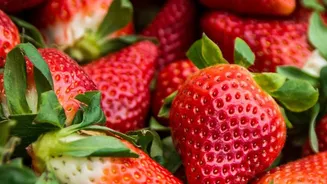
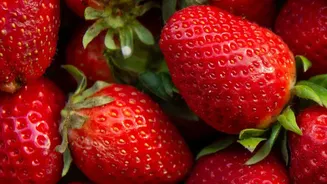
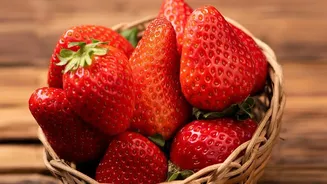
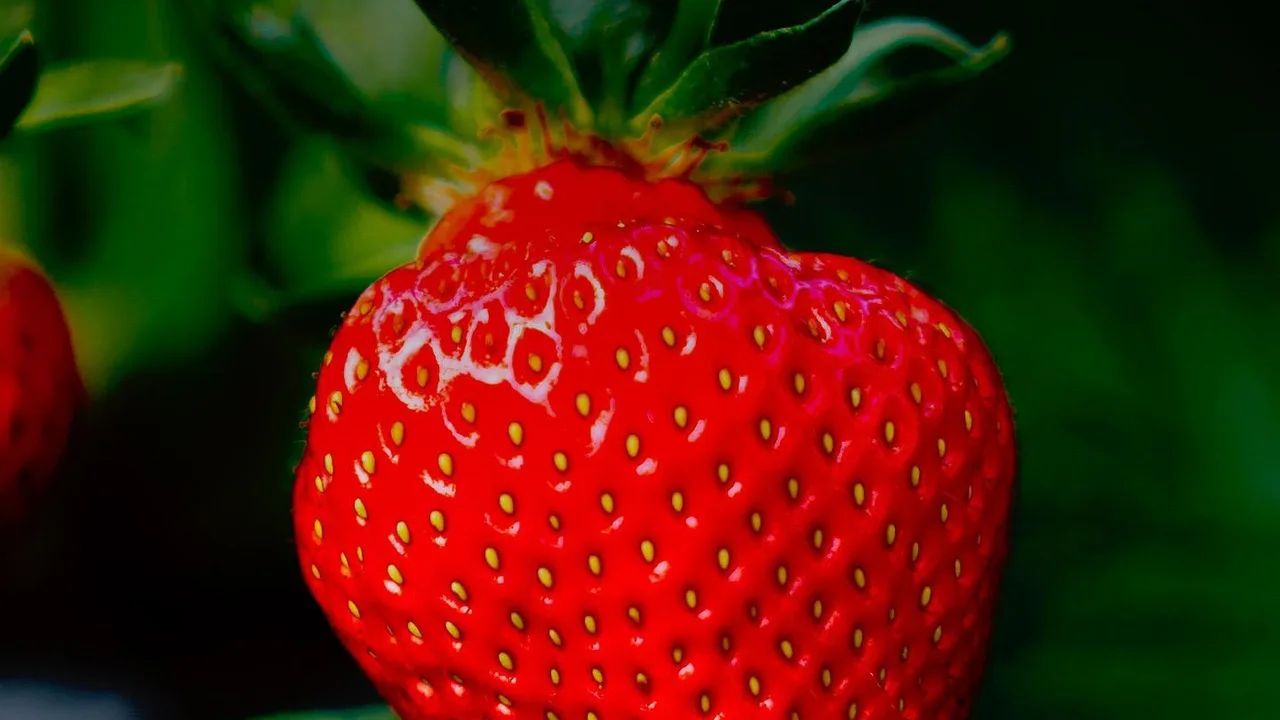
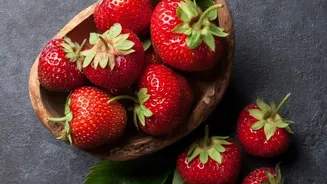
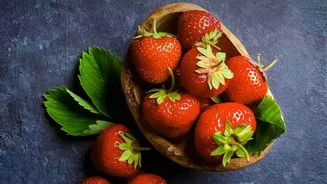
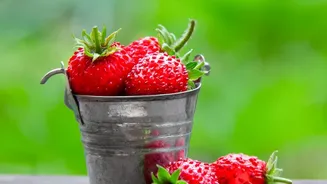
Strawberries are a globally popular fruit, but they are notoriously sensitive. They thrive in temperate climates with cool temperatures, making cultivation in much of India a significant challenge. Currently, about 85% of India's strawberry production
is concentrated in the hilly climes of Mahabaleshwar, which offers a suitable growing season from November to March. However, this reliance on a single region and specific imported cultivars from places like the US makes the crop vulnerable. Farmers face risks from unpredictable weather, such as heavy rains or heatwaves, which can devastate the delicate plants. Furthermore, the high perishability of the fruit leads to substantial post-harvest losses, often before the berries even reach consumers, impacting farmer incomes and creating supply chain hurdles.
A Landmark Scientific Alliance
To tackle these issues, two of India's premier institutions have joined forces. The Mahatma Phule Krishi Vidyapeeth (MPKV), a leading agricultural university in Maharashtra, has partnered with the Bhabha Atomic Research Centre (BARC), the nation's foremost nuclear research facility. This collaboration aims to achieve a monumental goal: to develop India's first indigenous, climate-resilient strawberry. BARC has a long and successful history of using nuclear science for agricultural advancement, having developed over 70 new crop varieties through radiation-based techniques. These varieties, which include high-yielding and stress-tolerant pulses, oilseeds, and cereals, are already being cultivated by farmers across the country. This new project extends that proven expertise to horticulture.
Gardening with Gamma Rays
The core of the project lies in a technique called mutation breeding. This is not the same as genetic modification (GMO), as no foreign DNA is introduced into the plant. Instead, researchers at BARC use controlled, low doses of gamma radiation on strawberry plant tissues. This radiation safely accelerates the natural process of genetic mutation, creating a wide spectrum of variations within the plant's own DNA. The process, used since the 1920s, has successfully created thousands of improved crop varieties worldwide, including types of wheat, rice, and even grapefruit you may have eaten without knowing. After irradiation, scientists at MPKV will grow and carefully screen thousands of the resulting plants to identify those that display desirable new traits.
Designing the 'Super Strawberry'
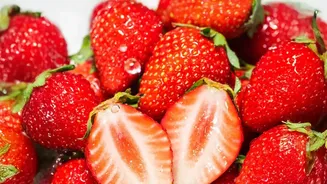
The objective is clear: to fast-track the creation of a strawberry cultivar perfectly suited for India. According to researchers, the ideal candidate will possess a combination of game-changing traits. First and foremost is climate resilience, specifically the ability to tolerate the heatwaves that are becoming more common across India. This would allow cultivation to expand beyond the limited cool regions and extend the short growing season. The project also aims to match the large fruit size and firm texture of popular foreign varieties, ensuring it meets consumer expectations. Additionally, enhancing resistance to local diseases and pests is a key goal, which would reduce the need for chemical interventions and make farming more sustainable. By combining these traits into one plant, the team hopes to create a truly 'Made in India' strawberry.
From Lab to Land: The Potential Impact
The success of this project could transform strawberry cultivation in the country. For farmers, an indigenous, hardy variety would mean lower risk, reduced dependence on costly imported mother plants, and the potential to grow a high-value crop in new regions, boosting rural incomes. For consumers, it could lead to wider availability, a longer season, and potentially lower prices for a fruit that is often considered a luxury. It would also bolster India's food security by diversifying agriculture and reducing reliance on imports for planting material. While the process of developing and stabilizing a new variety takes time, this pioneering work represents a significant step towards a more secure and sustainable future for one of India's most loved fruits.