



A New Home, A New Hope
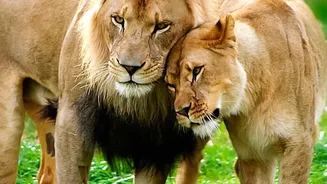
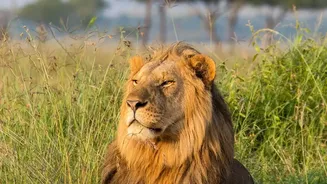
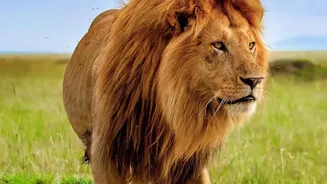
For the first time since 1879, a pride of Asiatic lions is thriving in Barda Wildlife Sanctuary, about 100 kilometres from their only other home in Gir National Park. This is not an accident but the result of a long-term conservation strategy. The journey
began in 2023 with the natural migration of a single male lion into the sanctuary, a testament to years of habitat restoration. Following this milestone, the Gujarat Forest Department translocated five lionesses to join him. Nature took its course, and with the birth of eleven cubs, the population grew to 17 by 2025. This new breeding population has officially designated Barda as a satellite home for lions under the central government's 'Project Lion', a crucial step in de-risking the species' future.
Why Gir's Success Created a Problem
The story of the Asiatic lion is one of remarkable recovery. From fewer than 50 individuals in the early 20th century, the population has grown to 891 as of the 2025 census. But this success has a dangerous side effect: all the world's wild Asiatic lions live in a single, connected landscape in Gujarat. This makes the entire species vulnerable to a single catastrophe, like a disease outbreak or a natural disaster. The 2018 Canine Distemper Virus outbreak that killed 28 lions in weeks was a stark warning. Furthermore, Gir's protected area of just over 1,400 square kilometres is now overcrowded, with more than half the lion population living outside its boundaries, often leading to increased human-lion conflict.
Preparing the Ground for Royalty
Transforming Barda into a suitable home has been a meticulous process. Once a royal hunting ground, the 192-square-kilometre sanctuary was declared a protected area in 1979 with the long-term vision of it becoming an alternative lion habitat. The Gujarat Forest Department has focused heavily on improving the prey base to support the big cats. Since 2007, hundreds of spotted deer (chital) and sambar have been introduced through captive breeding programs and translocation from Gir. In the 2025-26 period alone, 441 chitals were moved to Barda to ensure a stable food source. Efforts also included habitat restoration, removal of invasive plant species, and enhancing water availability.
More Than Just a Numbers Game
The establishment of a population in Barda is a critical 'ecological insurance policy'. A recent study published in the journal PLOS One confirmed that Barda's habitat is suitable for sustaining a lion population over the long term. Radio-collaring six of the lions revealed they have established home ranges and are actively using the sanctuary's forests and grasslands. While their diet relies heavily on wild prey like wild pigs, the presence of domestic cattle in their diet highlights a key challenge ahead: managing human-wildlife interactions. To address this, the forest department has increased frontline staff, deployed full-time lion trackers, and announced a voluntary relocation scheme for Maldhari pastoralist families living within the sanctuary to reduce human pressure on the habitat.
The Road Ahead for Conservation
While Barda's success is a landmark achievement, the work is far from over. Experts note that while Barda provides additional, protected space, it is still within the same Saurashtra landscape as Gir. A truly independent second population, geographically isolated from Gir, is considered essential to safeguard the species against a regional epidemic. The long-debated proposal to move some lions to Kuno National Park in Madhya Pradesh, an idea supported by a 2013 Supreme Court ruling, remains a sensitive and unresolved issue. For now, however, the focus is on strengthening Barda as a stronghold. The sanctuary's success not only serves as a buffer for the growing lion population but also opens new avenues for ecotourism, creating livelihood opportunities for local communities who are crucial partners in this ongoing conservation saga.