


A Forgotten Nutritional Powerhouse
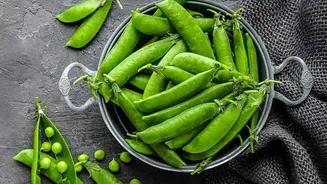
Known to survive harsh conditions where other crops fail, the grass pea is a climate-resilient nutritional treasure. Its protein content is remarkably high, ranging from 26% to over 31%, which is significantly more than many other common legumes like
chickpeas. This makes it an excellent plant-based protein source. Beyond protein, it delivers a wealth of essential amino acids, which are the building blocks for bodily functions. The dal is also a good source of vital minerals. It is rich in iron, which is crucial for carrying oxygen in the blood, and magnesium, which supports muscle and nerve function. For those looking to boost their intake of these key nutrients, the grass pea presents an affordable and potent option.
The Shadow of Khesari Dal
Despite its impressive nutritional profile, the grass pea has a dark and complex history in India. For centuries, it was known as a 'famine food', a crop of last resort for the rural poor when all else failed. However, prolonged and excessive consumption of traditional varieties led to a devastating neurological disorder called neurolathyrism. This condition, caused by a neurotoxin called ODAP (β-N-oxalyl-L-α,β-diaminopropionic acid), results in irreversible paralysis of the lower limbs. Due to these health concerns, the Indian government banned the sale and storage of khesari dal in 1961, cementing its reputation as a dangerous food. The ban, though not on cultivation for animal feed, pushed the dal out of the mainstream food supply for generations.
Science Paves the Way for a Comeback
The story of the grass pea is now one of scientific redemption. For decades, agricultural scientists in India and around the world have been working to develop new varieties of the crop with significantly lower levels of the ODAP toxin. Through careful breeding and selection, they have succeeded in creating low-toxin or even near-toxin-free varieties. Cultivars with names like 'Prateek', 'Ratan', and 'Mahateora' contain less than 0.1% ODAP, a fraction of the amount found in the older, traditional strains. These developments have been so successful that the debate around lifting the historical ban has gained momentum, with many experts now viewing the new varieties as safe for human consumption when eaten as part of a balanced diet.
Enjoying Grass Pea Safely
As these safer varieties become more available, the grass pea is poised to be welcomed back to the Indian table. For consumers, the key to enjoying it safely is moderation and proper preparation. The risk of lathyrism was associated with consuming it as a sole or primary food source for months on end. As part of a varied diet, the risk from low-toxin varieties is considered minimal. Traditional preparation methods, such as soaking the dal in water and then discarding the water before cooking, can also help reduce the toxin levels further. Some studies suggest that boiling the dal for an extended period and decanting the water can significantly lower ODAP content, although this may also lead to a loss of some nutrients. The simplest and safest approach is to source dal from trusted suppliers who can verify that they are selling modern, low-toxin cultivars.