






The New Employee’s Dilemma
The pressure to prove oneself in a new role is immense. New hires often feel a need to demonstrate commitment and a strong work ethic from day one. This can translate into a fear that taking a break might be perceived as slacking off. Many worry their
boss or colleagues will think they are not hardworking. This anxiety, combined with a heavy workload and the desire to learn everything quickly, leads many to work through lunch or skip shorter breaks altogether. This behaviour is often reinforced by company culture; if senior employees or team members work through their breaks, new joiners are likely to follow suit.
The Real Cost of Skipping Pauses
Working nonstop might feel productive, but it is a fast track to diminishing returns. Constantly pushing through without a reset period leads to mental fatigue, which impairs focus, creativity, and decision-making skills. Studies show that employees who skip breaks are more likely to experience burnout, a state of emotional and physical exhaustion that harms job satisfaction and overall well-being. Over time, this can lead to increased stress, a higher likelihood of making mistakes, and even physical health problems associated with a sedentary workday, like back pain and fatigue. Ultimately, not taking breaks harms the very productivity you are trying to maximise.
How a Snack Becomes a Strategy
This is where a simple, planned snack comes in. Scheduling a specific time for a mid-morning or mid-afternoon snack transforms a break from an optional pause into a structured part of your day. It creates a small, tangible ritual that gives you a concrete reason to step away from your desk. Instead of feeling guilty about 'not working', you are actively 'refuelling' to maintain performance. This small act helps build a routine, which is crucial for adjusting to a new job. It gives you a moment to reset your brain, which can improve focus and prevent the energy crashes that often happen mid-afternoon. Think of it not as a break from work, but as an investment in your ability to perform well for the rest of the day.
Building Your Office Snack Kit
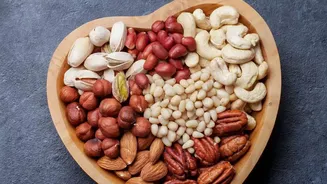
The key to a successful snack strategy is preparation. Having healthy, easy-to-eat options on hand prevents you from reaching for junk food or skipping the break entirely. In an Indian context, great desk-friendly snacks are those that don't require refrigeration and can be eaten without a fuss. Consider options like roasted makhana (fox nuts), roasted chana (chickpeas), or a handful of almonds and walnuts. These are packed with protein and fibre, which provide sustained energy. Other excellent choices include fresh fruits that travel well like bananas and apples, or even chickpea puffs and millet-based snacks for a savoury crunch without the guilt. A small portion of a nut-and-seed trail mix can also curb cravings and keep you focused.
Make Your Break About More Than Food
While the snack is the trigger, the break itself is the reward. Use this 10-15 minute window to truly disconnect. Step away from your screen to give your eyes a rest. Stand up and stretch to combat the effects of sitting for long periods. If possible, take a short walk, even if it is just to the office pantry and back. These small movements can reduce physical discomfort and mental fatigue. This is also a low-pressure opportunity to build relationships. Chatting with a colleague while grabbing a coffee or a snack can help you feel more connected to the team and understand the workplace culture better, making the onboarding process feel less isolating.