






The Allure of the Shore
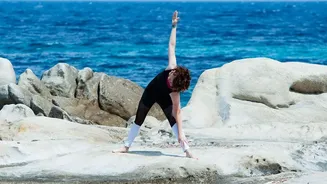
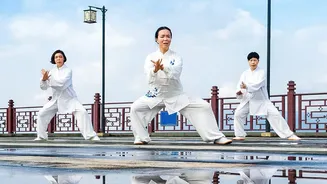
There's a reason so many are drawn to practicing meditative arts like Tai Chi by the ocean. The rhythmic sound of the waves provides a natural cadence for your movements, helping to synchronize your breath and flow. The vast, open space can enhance mental
clarity, while the fresh, salty air invigorates the senses. This connection to nature can deepen the mindfulness at the heart of Tai Chi, turning a simple exercise session into a grounding, almost spiritual, experience. Many practitioners report feeling more relaxed, focused, and energized when practicing outdoors, especially near the sea.
Why Firm Sand Is Your Friend
For a beginner, the most important aspect of learning Tai Chi is developing a strong sense of balance and proper posture. This is where firm sand, typically the damp, packed sand found closer to the water's edge, becomes essential. A stable surface allows you to properly learn how to 'root' yourself—a core Tai Chi principle that involves feeling a deep connection to the earth through your feet. This grounding provides the structural integrity needed for fluid, controlled movements. A firm foundation helps you maintain alignment, keep your knees safely positioned over your feet, and execute weight shifts smoothly and continuously, all of which are vital for a safe and effective practice.
The Hidden Challenge of Soft Sand
While the idea of sinking your toes into soft, dry sand is appealing, it presents significant challenges for a novice. An unstable, uneven surface forces your muscles to work overtime just to maintain balance. This extra effort can be distracting, pulling your focus away from the mindful quality of the movements and breathwork. More importantly, it can compromise your form. On soft sand, it's harder to achieve a stable root, which can lead to wobbling, improper alignment, and an increased risk of straining your ankles or knees. While advanced practitioners might use unstable surfaces like soft sand to challenge their balance, beginners should first master the fundamentals on solid ground.
How to Find the Perfect Spot
To find the ideal practice area, walk toward the low-tide line where the sand is wet and compacted. Look for a flat, even stretch of sand that feels solid underfoot. Test the surface by standing on one leg for a moment; you should feel stable, not as if your foot is sinking or rolling. You want a surface that provides support without being as hard as concrete. This allows for the subtle awareness of the soles of your feet connecting to the ground, a sensation that is central to many Tai Chi exercises. Be mindful of the tide's direction to ensure your peaceful session isn't interrupted by incoming waves.
Essential Tips for Beach Practice
Once you've found your spot, a few other tips can enhance your experience. Dress in loose, comfortable layers made of breathable fabric, as the temperature near the water can change quickly. Even on overcast days, sun protection is a must. Consider practicing during the cooler, less crowded hours of the early morning or late afternoon for a more peaceful session. Always bring water to stay hydrated, and listen to your body. Tai Chi should feel pleasant and energizing, not painful. If a movement causes discomfort, ease off or modify it.