


The Grain Divide: A Map on a Plate
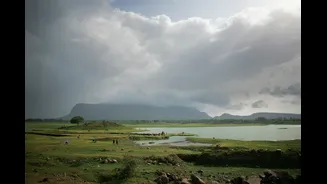
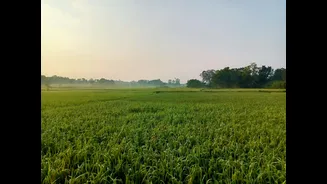
To understand Indian regional food, you must first understand its grains. The country can be broadly divided by its primary staples: rice and wheat. This isn't a matter of taste, but of geography and climate. The fertile, water-rich plains of the north
are India's wheat belt, giving rise to a culture of breads. In contrast, the high-rainfall coastal and southern regions have made rice the undisputed king. Beyond these two giants, a third category of hardy, drought-resistant millets thrives in the arid and semi-arid lands of the west and parts of the south, creating entirely unique food cultures.
Wheat: The Heart of the North
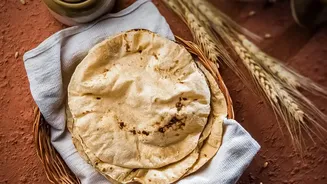
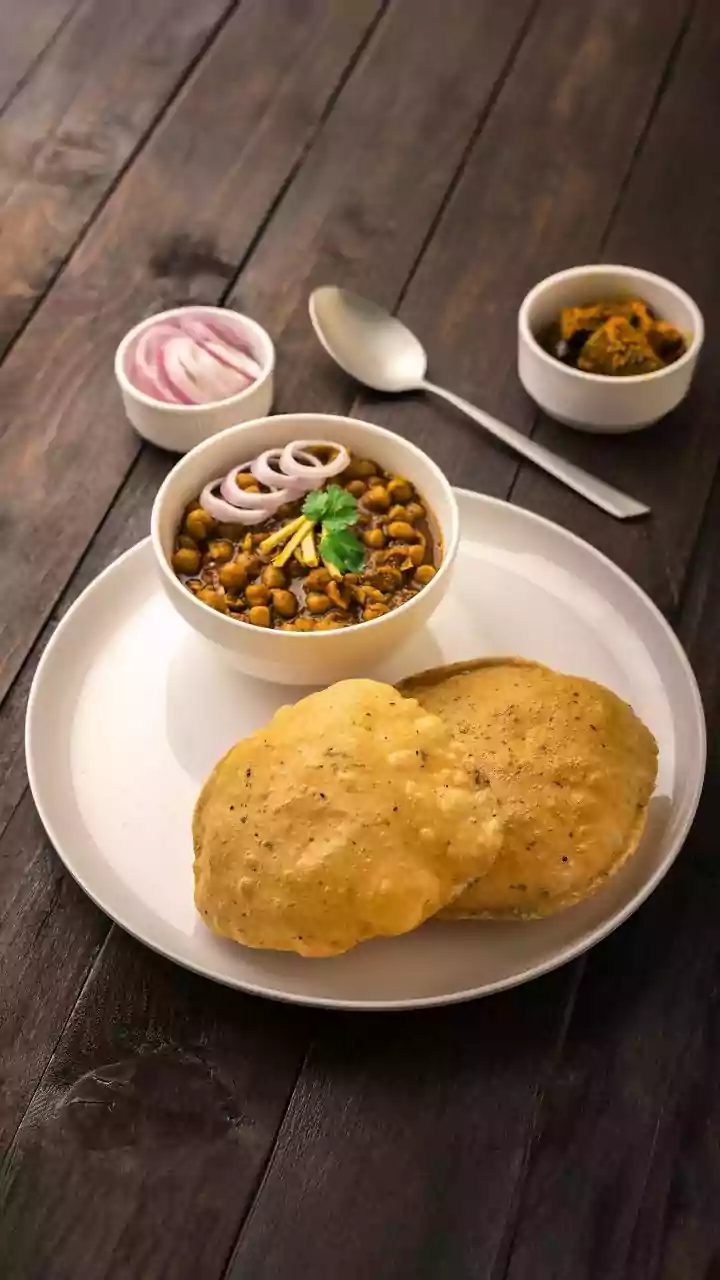
In states like Punjab, Haryana, and Uttar Pradesh, wheat is more than a crop; it is the foundation of daily life. The landscape here is perfect for its cultivation, and this is reflected in a rich tradition of flatbreads. The everyday meal is incomplete without a stack of soft rotis or chapatis, cooked on a tawa. For more festive occasions, there are flaky parathas, often stuffed with potatoes or paneer, and fluffy, deep-fried bhature, famously paired with a spicy chickpea curry known as chole. Even corn, or makki, makes a seasonal appearance in winter with Makki di Roti, traditionally served with sarson ka saag (mustard greens).
Rice: Soul of the South and East
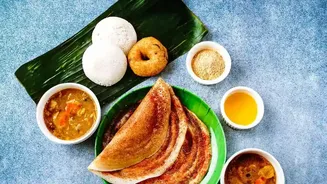
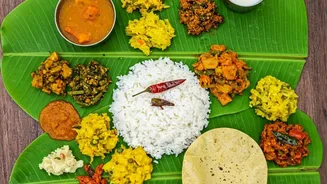
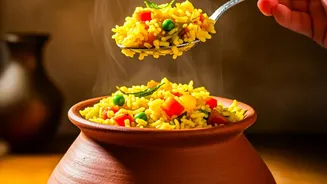
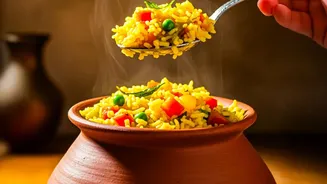
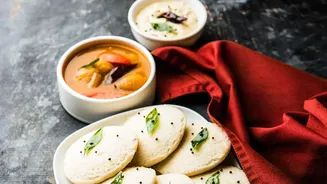
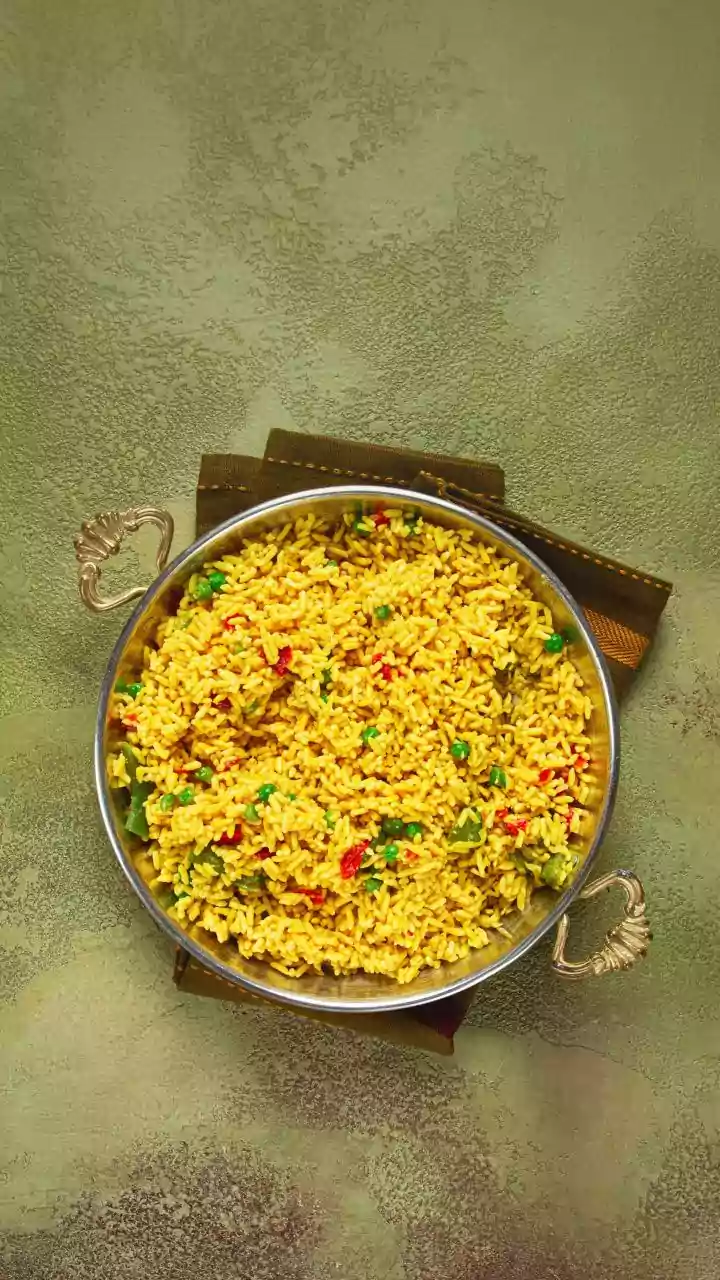
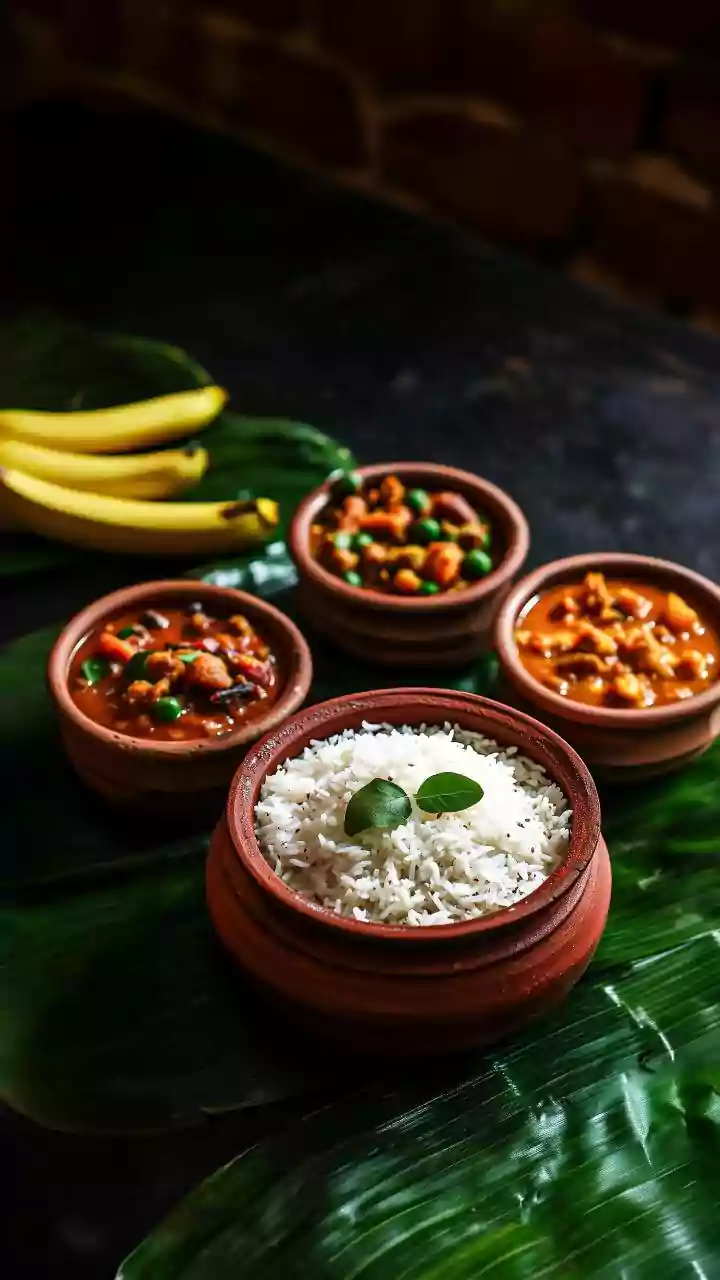
Travel south or east, and the culinary world transforms. In Kerala, Tamil Nadu, and West Bengal, where monsoons are plentiful, life revolves around rice. It's not just boiled and served plain; it's ground into flour and fermented to create the iconic soft idlis and crisp dosas of the south, often eaten with tangy sambar. In Kerala, fluffy rice is the base for nearly every meal, from breakfast puttu to the celebratory Malabar biriyani. In West Bengal, fragrant varieties like Gobindobhog are used to make dishes ranging from the simple 'Ghee Bhaat' (rice with clarified butter) to the festive Mishti Pulao.
Millets: Pride of the Arid Lands
In the dry, rugged terrains of Rajasthan, Gujarat, and parts of Maharashtra, farmers have long relied on resilient grains that need little water. Here, millets like bajra (pearl millet) and jowar (sorghum) are dietary staples. These grains have a distinctive, rustic flavour and are often ground into flour to make bhakri, a dense, unleavened flatbread that provides sustained energy. One of Rajasthan's most famous dishes, Dal Baati Churma, features a baked wheat ball (baati), but it's the humble bajra roti that forms the everyday meal, often served with a simple garlic chutney. These millets represent a cuisine born of scarcity and ingenuity.
The Versatile 'Third Grain'
Beyond the big three, other grains carve out their own culinary niches. Ragi, or finger millet, is a superfood powerhouse, especially popular in Karnataka and Odisha. In Karnataka, it's famously used to make Ragi Mudde, a steamed dumpling that is a staple for rural communities. The grain's versatility means it also appears in dosas, porridges, and rotis. Known as mandia in Odisha, it is a staple among tribal communities. The diversity doesn't end there, with each region adapting what the land provides, proving that to truly know India's food, one must first get to know its grains.