




The Art of the Ombré
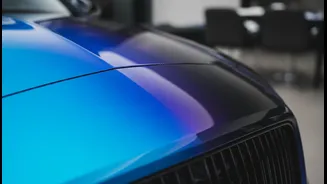
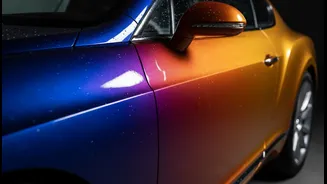
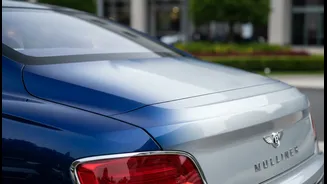
Mulliner, Bentley's in-house coachbuilding and personalisation arm, has introduced a highly complex paint process officially known as 'Ombré by Mulliner'. This is not a simple gradient or a vinyl wrap; it is a true hand-painted fade that transitions seamlessly
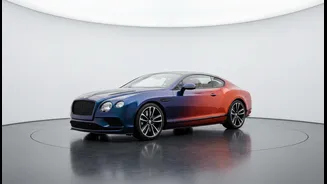
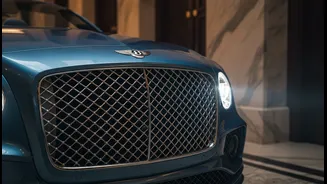
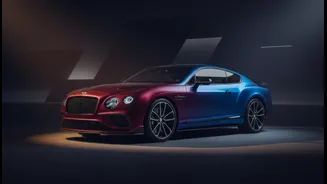
between two distinct colours along the length of the car. The effect is a dynamic and flowing aesthetic that accentuates the vehicle's powerful lines. The first example to showcase this technique was a Continental GT Speed, which featured a mesmerising fade from Topaz blue at the front to a deep Windsor Blue at the rear. This finish is designed to be more than just paint—it's a statement of ultimate craftsmanship and individuality.
A Labour of Love and Precision
Achieving this flawless fade is an incredibly meticulous and labour-intensive process. It requires two skilled paint technicians approximately 56 hours of dedicated work for a single vehicle. The process begins by spraying the two contrasting base colours at opposite ends of the car. Then, using traditional paint mixing methods, the artisans carefully apply the blend in stages to create the gradual transition. Each paint colour behaves differently during application, requiring the technicians to react and adapt in real-time to ensure a perfect, uniform gradient. This level of human touch and expertise means that while every car meets exacting quality standards, no two Ombré finishes are ever precisely identical.
Designing for Dynamic Motion
The core purpose of the paint fade is to create a visual sense of movement. By carefully selecting the colours and the direction of the fade, Mulliner's designers can trick the eye. On the debut Continental GT Speed, for instance, the fade was specifically designed to follow the angle of the car's powerful rear haunch line, the muscular curve over the back wheel. This alignment makes the car's sculpted surfaces appear to flow and shift, giving the static object a kinetic quality. The effect is so comprehensive that even the 22-inch wheels are painted to match the body panels they sit beside, with the front wheels in one colour and the rear wheels in another, enhancing the sense of a forward-surging transition.
More Than Skin Deep
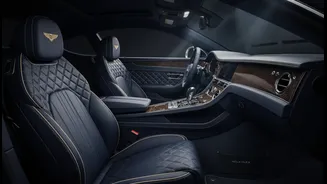
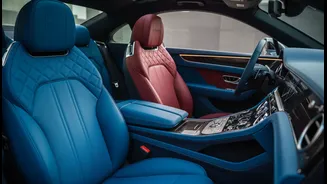
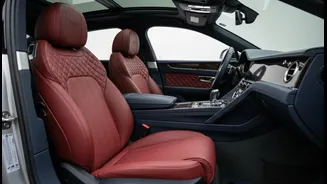
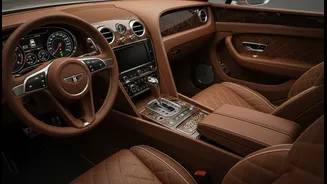
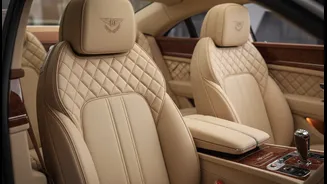
The bespoke treatment doesn't stop with the exterior. To ensure a harmonious design, Mulliner extends the graded colour theme into the car's cabin. In the launch model, the front of the interior, including the seats, steering wheel, and instrument panel, featured the lighter Topaz leather. This then transitioned to a darker Beluga hide in the rear of the cabin, mirroring the exterior's flow. Accents in contrasting colours for the stitching and piping further highlight the theme. This holistic approach demonstrates that the Ombré fade is not just a paint option but a complete design concept curated by the Mulliner Bespoke Studio.
The Future of Bespoke
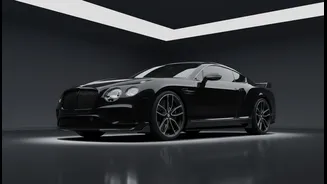
Initially showcased at Monterey Car Week, the Ombré by Mulliner is now available for customer order in a few curated colour combinations due to the complexity of the process. Bentley has also experimented with other fade applications, including a side-to-side fade on a limited-edition Continental GT Supersports, which debuted at the Goodwood Festival of Speed. This particular design features one colour on the driver's side blending into another on the passenger side. These offerings underscore a growing trend in the ultra-luxury market: the desire for true one-of-a-kind creations. For Bentley and Mulliner, these advanced finishes are a way to showcase their hand-crafting capabilities and signal the future of automotive luxury, where the car is not just a mode of transport but a unique piece of commissioned art.