

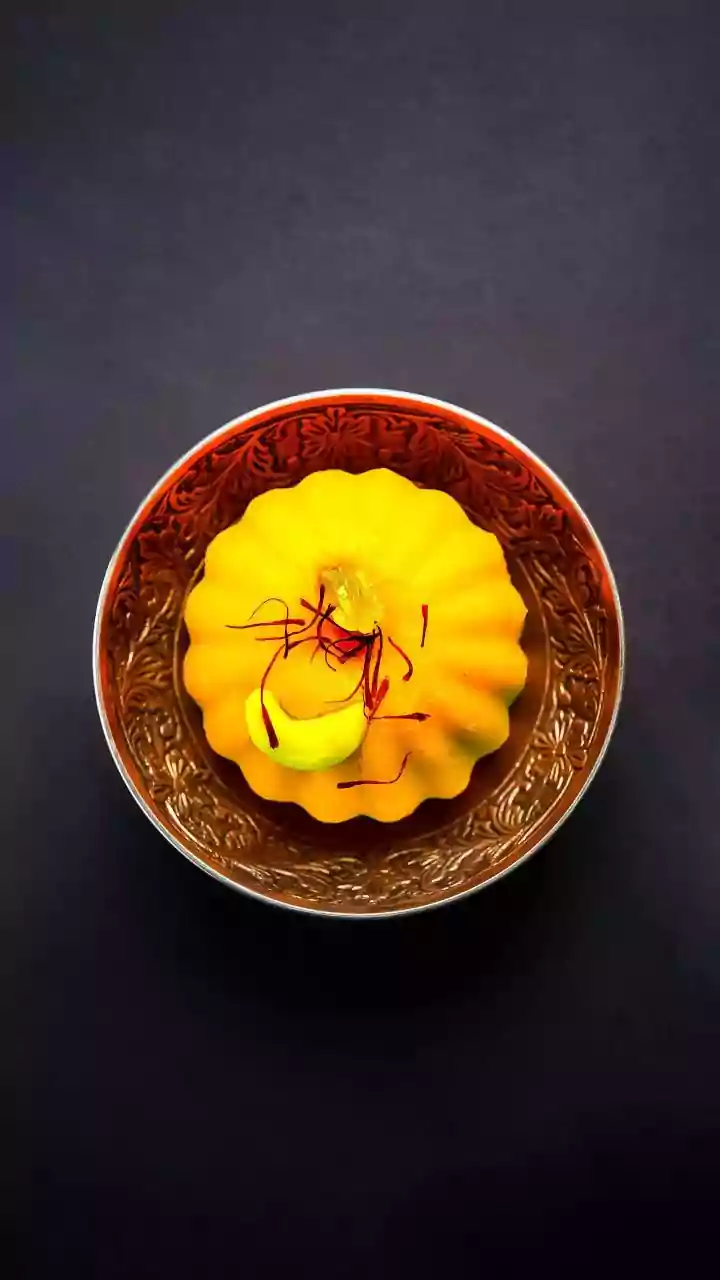

The Undisputed Charm of Classic Rasmalai
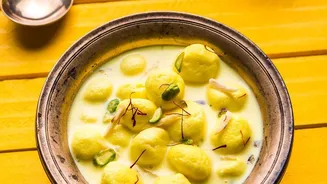
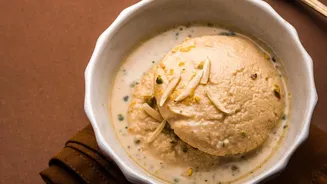
To understand the innovation, one must first appreciate the original. Traditional rasmalai consists of two key components: the 'ras' (juice) and the 'malai' (cream). The 'malai' part is represented by delicate, flattened discs of chenna—fresh, unripened
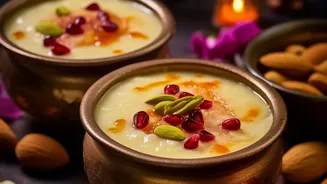
curd cheese made by splitting milk. These chenna patties are gently poached in a light sugar syrup until they are soft and spongy. The 'ras' is a rich, thickened milk, or rabri, slow-cooked and sweetened, then generously flavoured with saffron, cardamom, and slivers of pistachios and almonds. The magic happens when the spongy chenna discs are soaked in this fragrant milk, absorbing all its creamy goodness. The process, while yielding divine results, can be tricky; achieving the perfect soft, non-rubbery chenna requires patience and precision.
Enter Sabudana: The Versatile Pearl
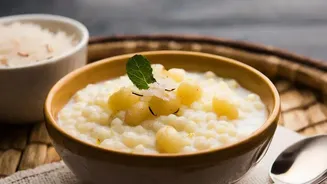
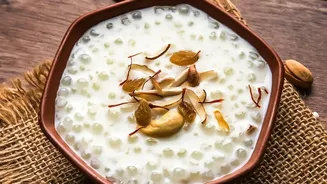
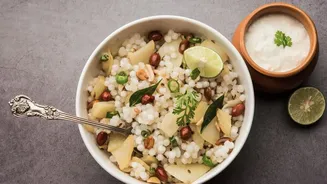
Now, enter sabudana, the humble tapioca pearl. A staple in Indian kitchens, sabudana is renowned for its versatility. It’s the star of savoury dishes like the crispy sabudana vada and the comforting sabudana khichdi, especially popular during fasting periods (vrat). Made from the starch of the tapioca root, these pearls are essentially small, hard orbs that turn soft, chewy, and translucent when cooked. Their neutral flavour and unique textural properties make them a fantastic canvas for other ingredients, as they readily absorb the tastes of the liquid they are cooked in. While commonly used in kheer and puddings, its application in a sophisticated dessert like rasmalai is a stroke of genius.
How the Fusion Works
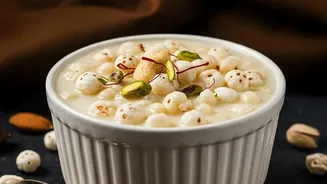
The Sabudana Rasmalai cleverly replaces the time-consuming chenna-making process. Instead of splitting milk, soaked sabudana pearls are cooked down with a small amount of milk and sugar until they form a thick, gelatinous, and sticky dough. Some recipes also incorporate milk powder at this stage for extra richness and better binding. Once this mixture is cool enough to handle, it is shaped by hand into small, flat discs or balls, mimicking the form of traditional rasmalai patties. These sabudana discs are then chilled briefly to help them firm up and hold their shape before they meet the milk bath.
Preserving the Soul: The Milky Base
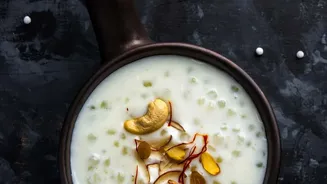
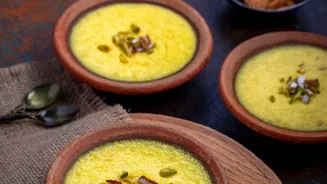
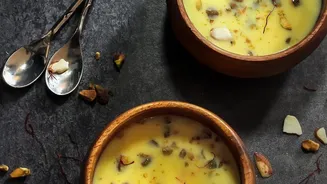
Here is where the headline's promise is delivered: the milky base remains untouched and as authentic as ever. The prepared sabudana patties are gently simmered in a classic rabri. This is the same slow-reduced, full-fat milk infused with saffron, cardamom powder, and sugar that one would find in traditional rasmalai. Because the sabudana patties are flavour-neutral, they act like sponges, soaking up the creamy, aromatic milk. The integrity of the dessert's soul—the luxurious, fragrant 'ras'—is perfectly preserved. The innovation lies entirely within the dumpling, swapping paneer for tapioca without compromising the flavour of the base.
A New Experience: Taste and Texture
The result is a dessert that is recognisably rasmalai in flavour but offers a completely new textural experience. While classic rasmalai is soft and delicately crumbly, the sabudana version provides a delightful chewiness. The pearls create a soft, bouncy, and slightly jelly-like mouthfeel that contrasts beautifully with the creamy rabri and the crunchy nut garnish. For those who enjoy the texture of mochi or boba, this version can be particularly appealing. It’s a modern reinterpretation that respects the original flavour profile while introducing a playful and satisfying new texture.
Why This Rework Makes Perfect Sense
Beyond its novelty, Sabudana Rasmalai has practical advantages. It is often seen as a 'no-fail' recipe, sidestepping the common pitfalls of making chenna, which can sometimes turn hard or disintegrate. This makes the dessert far more accessible to novice cooks. Furthermore, as sabudana is a widely accepted ingredient for religious fasting days (vrat or upvas), this version serves as a perfect festive treat for occasions like Navratri or Ekadashi, when grains are often avoided. It’s a quicker, easier, and inclusive take on a classic that democratises a beloved but often intimidating sweet.