




The Rise of the Micro-Cation
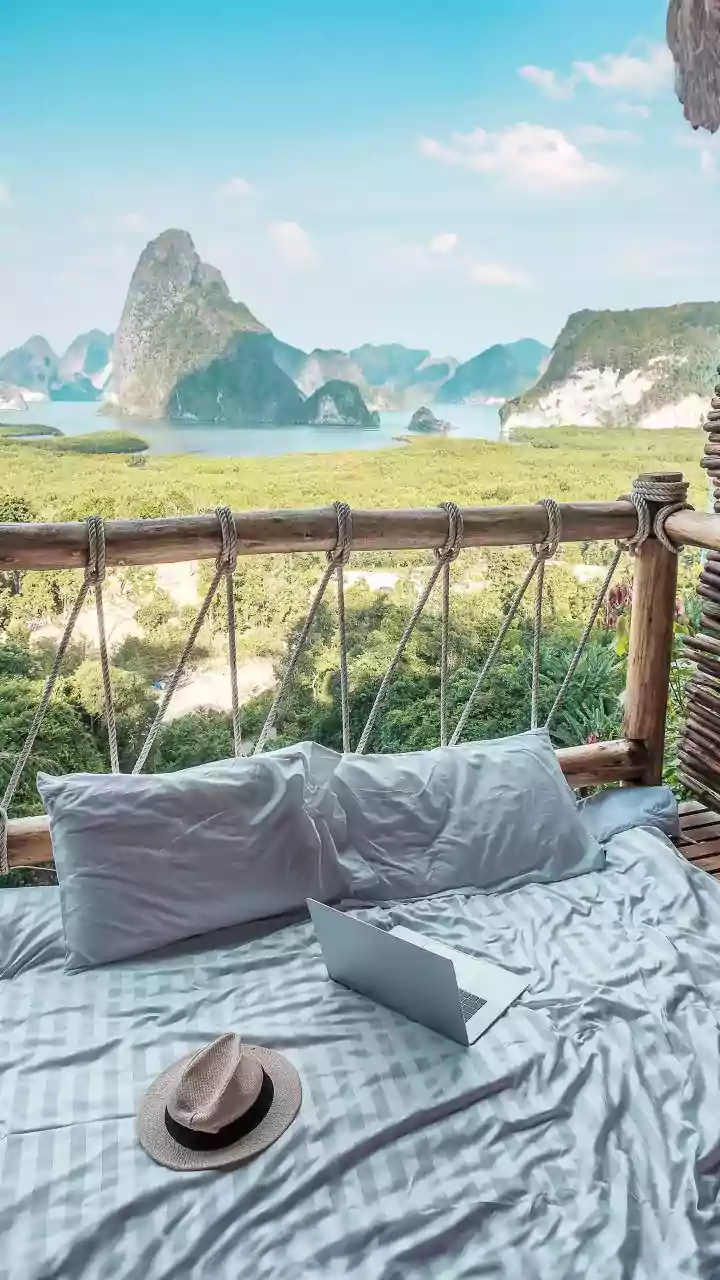
The concept of the 'micro-cation'—a short leisure trip of about four nights or fewer—is rapidly gaining traction. Instead of saving up leave and money for a single blowout holiday, travellers are opting for bite-sized breaks spread throughout the year.
According to a recent report by Hilton, this “micro-travel mindset” is driven by a desire for flexibility and experiences that are easier to plan and fit into our busy lives. In India, this trend is already visible, with a surge in weekend trips to destinations just a few hours from major cities. The grind of modern work-life, combined with a persistent desire for new experiences, makes these short bursts of travel an effective antidote to burnout.
Psychology and Wellbeing as Key Drivers
The shift towards shorter trips isn't just about logistics; it's also rooted in psychology. Research shows that the happiness boost from a vacation often fades quickly after returning. By taking multiple short breaks, travellers can experience repeated emotional lifts throughout the year. The anticipation of a trip is a significant source of joy, and having several getaways on the calendar multiplies that feeling. A 2027 trends report highlighted that 81% of Indian travellers feel that having a trip booked gives them a sense of purpose. These quick escapes are seen as essential for mental and physical recharging, with 82% of Indians actively seeking experiences that help calm their nervous system.
Economic Sense and Smarter Spending
While a two-week international trip can be a significant financial undertaking, a series of domestic micro-trips often feels more manageable. This approach allows travellers to spread costs throughout the year, making travel feel more accessible. Instead of splurging on one grand experience, people are building a portfolio of smaller, more varied memories. This is especially true as travellers become more strategic in response to economic pressures, adapting their plans by shortening itineraries or exploring closer destinations. The rise of budget airlines, better highway connectivity, and the proliferation of homestays and boutique hotels in India have made these short, frequent trips more affordable and convenient than ever.
A New Map for Indian Travellers
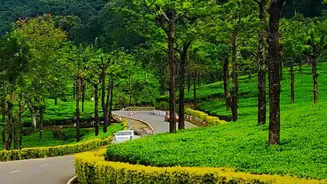
For Indian explorers, this trend is unlocking the potential of domestic travel like never before. The focus is shifting from ticking off major international landmarks to discovering the hidden gems in our own backyard. Destinations near major hubs are booming, such as Neemrana and Rishikesh for those in Delhi-NCR, Lonavala and Alibaug for Mumbaikars, and Coorg or Nandi Hills for residents of Bengaluru. This hyper-local boom not only satisfies the urban Indian's need for a quick reset but also distributes tourism income to smaller towns and local communities. The emphasis is less on packed sightseeing schedules and more on immersive experiences, like learning local customs, enjoying regional food, or simply relaxing in nature. A recent survey confirmed this, with 87% of Indian travellers stating that fresh air and the outdoors are essential for relaxation.
How the Travel Industry Is Adapting
The travel and hospitality sectors are taking note of this behavioural shift. Hotels are increasingly offering weekend packages and promoting amenities that cater to short, restorative stays. Airlines benefit from consistent demand on short-haul domestic routes, and online travel platforms make it easy to plan and book spontaneous trips. There's a growing understanding that travellers want to pack a lot of experience into a short amount of time. This has led to more curated offerings, such as wellness retreats, culinary tours, or adventure-focused weekend itineraries designed to deliver a high-impact experience without a long-term commitment. The future of travel is becoming more integrated into our regular lives, rather than being a separate, once-a-year event.