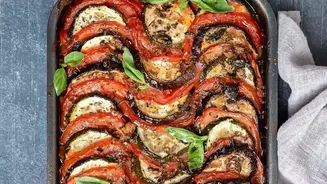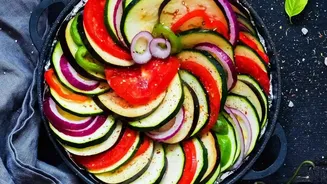




The humble sheet pan has become a hero of the modern kitchen, celebrated for its ability to deliver delicious, complex meals with minimal cleanup. Now, it's also your secret weapon for creating meals that are incredibly good for your gut.
Understanding Your Gut Microbiome
Before diving
into recipes, it’s helpful to understand what 'gut-friendly' even means. Your digestive system is home to trillions of microorganisms, collectively known as the gut microbiome. A healthy, diverse microbiome is linked to numerous health benefits, from improved digestion and a stronger immune system to better mood regulation. The key to a happy microbiome is feeding it the right foods. This is where prebiotics and probiotics come in. Probiotics are the beneficial live bacteria found in foods like yoghurt, which can add to the population of good microbes in your gut. Prebiotics are types of fibre that your body can't digest but that your gut bacteria thrive on. Think of prebiotics as the food for your internal garden of microbes. Many of the ingredients in this headline—beans, vegetables, and whole grains—are fantastic sources of these essential fibres.
The Power of One-Pan Simplicity
One-pan and sheet-pan meals are more than just a passing trend; they represent a smarter way to cook. The method is simple: chop your ingredients, toss them with seasonings, spread them on a pan, and let the oven do the work. This approach not only saves time on active cooking and washing up, but it also excels at developing deep, roasted flavours. Vegetables become sweeter, proteins become perfectly cooked, and everything melds together beautifully. This simple format is the perfect canvas for building a meal packed with gut-friendly ingredients, allowing you to easily combine a rainbow of vegetables, hearty beans, and lean proteins in one go. You get maximum flavour and nutritional benefit for minimal effort.
Beans and Whole Grains: The Fibre Foundation
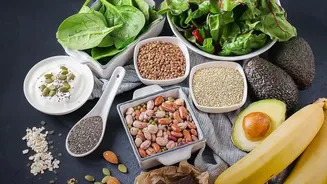
Beans and whole grains are nutritional powerhouses and central to a gut-healthy diet. Beans, including chickpeas, black beans, and kidney beans, are loaded with a type of fibre known as resistant starch. This fibre resists digestion in the small intestine and travels to the colon, where it ferments and feeds beneficial gut bacteria. Whole grains like quinoa, barley, and oats are rich in fibres such as beta-glucans, which also act as prebiotics. To incorporate them into a sheet-pan meal, try roasting chickpeas alongside your vegetables until they are crispy and delicious. You can add canned and rinsed black beans or kidney beans in the last 10 minutes of cooking to heat them through. Alternatively, serve your roasted vegetables and protein over a bed of fluffy, pre-cooked quinoa or brown rice.
A Rainbow of Vegetables for a Diverse Gut
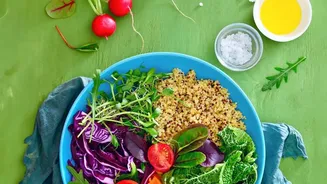
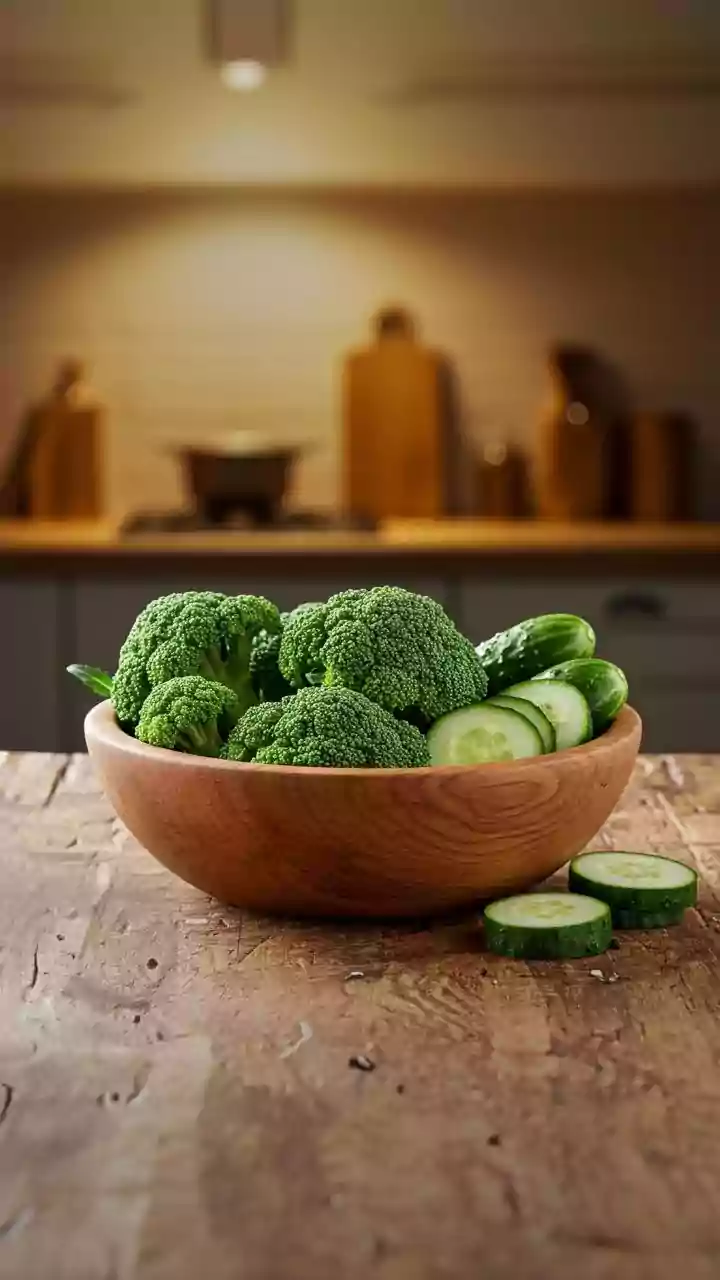
When it comes to gut health, variety is key. Eating a wide range of plant-based foods helps cultivate a more diverse and resilient microbiome. Sheet-pan cooking is perfect for this. Aim to fill at least half your pan with a colourful mix of vegetables. Broccoli, cauliflower, bell peppers, sweet potatoes, onions, and asparagus are all excellent choices. They are not only packed with vitamins and minerals but are also rich in different types of prebiotic fibres. Onions and garlic, in particular, are prebiotic superstars. Don't be afraid to be generous; they'll shrink down as they roast, concentrating their flavour and nutrients. A simple toss in olive oil, salt, and your favourite spices is all you need to get started.
Yoghurt: The Cool, Probiotic Finisher
Yoghurt is an excellent source of probiotics, but there's an important catch: high heat kills these beneficial live cultures. Most probiotic bacteria start to die off at temperatures above 46°C, so baking or roasting yoghurt will negate its probiotic benefits. The best way to include yoghurt in your one-pan meal is to add it at the end. Once your vegetables and protein are roasted and slightly cooled, a dollop of plain yoghurt can add a creamy, tangy contrast. Even better, make a simple yoghurt-based sauce. Whisk plain yoghurt with lemon juice, fresh herbs like mint or cilantro, and a minced garlic clove for a delicious and cooling drizzle that adds both flavour and a dose of gut-friendly probiotics right before serving.