

Why Monsoon Demands Extra Vigilance
The Indian monsoon creates a perfect storm for foodborne illnesses. The combination of high humidity and warm temperatures acts as an incubator for harmful bacteria, viruses, and fungi, allowing them to multiply rapidly on food surfaces. Heavy rainfall
can lead to waterlogging and the contamination of municipal water supplies with sewage, increasing the risk of diseases like typhoid, cholera, and gastroenteritis. According to health experts, gastrointestinal infections see a significant spike during the June to September period. Food that might be safe for hours in drier weather can spoil much faster, making proper handling and storage essential to avoid an upset stomach or more serious health issues.
The Papaya Predicament: Specific Risks to Know
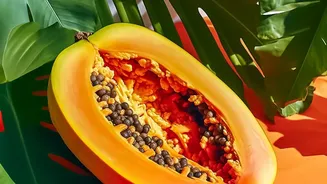
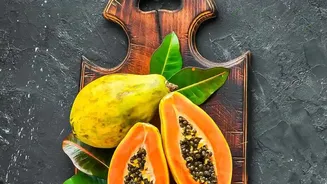
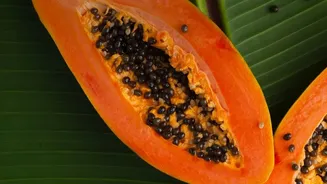
Papaya is a nutritious fruit, packed with vitamins A and C and digestive enzymes like papain. However, like other fruits, it is not immune to contamination. The risk often comes from its surface. During its journey from the farm to your kitchen, the papaya's skin can pick up dirt, pesticides, and microbes from contaminated water or unhygienic handling. The biggest danger arises from pre-cut papayas sold by street vendors. Once the protective peel is broken, the exposed, moist, and sugary flesh becomes a breeding ground for airborne bacteria, especially when left open in humid conditions. Consuming such fruit significantly increases your chances of food poisoning.
Shop Smart: Selecting the Right Papaya
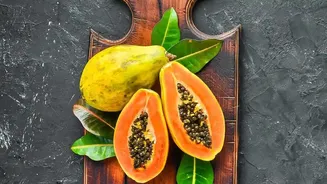
Your first line of defence is choosing a good quality fruit. Always opt for whole papayas over pre-cut slices. When selecting a whole papaya, look for one with firm, unblemished skin that is free from bruises, cuts, or soft spots. Any break in the skin is a potential entry point for mould and bacteria. A fresh papaya should feel heavy for its size. The colour can range from green to yellow-orange, depending on the desired ripeness. A mostly yellow papaya will be ripe and ready to eat, while a greener one will need a few days to ripen at home. Avoid fruits that show visible signs of decay or have a fermented smell.
The Critical Pre-Wash: Your Most Important Step
Never cut into a papaya without washing it first. Rinsing the fruit is crucial even if you plan to peel it, as a knife can transfer contaminants from the skin to the flesh. Start by washing your own hands thoroughly with soap and water for at least 20 seconds. Then, hold the papaya under cool, running water. Gently scrub the entire surface with your hands or a clean vegetable brush to remove any dirt and residues. There is no need to use soap or special fruit washes, as plain running water is effective. Some experts suggest soaking fruits in a saltwater solution for a few minutes as an added precaution during the monsoon. After washing, dry the papaya completely with a clean cloth or paper towel to further reduce any remaining bacteria.
Safe Cutting and Storage Practices
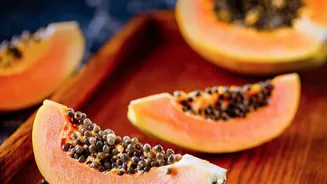
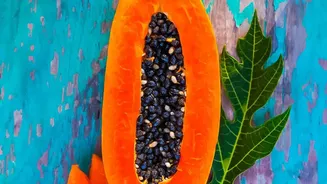
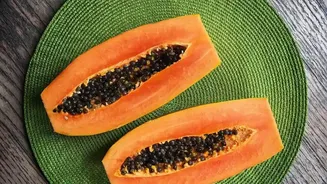
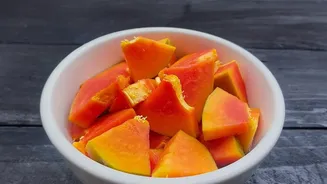
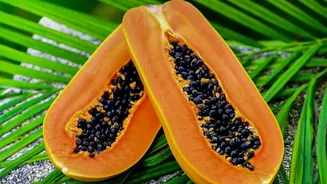
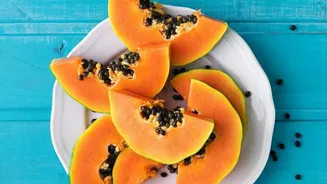
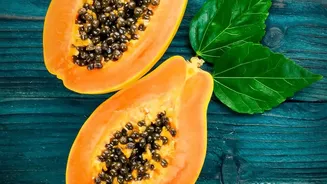
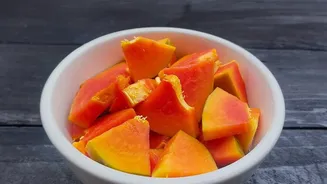
Once the papaya is clean and dry, use a clean cutting board and knife. If you use the same board for raw meat, ensure it is thoroughly sanitised to prevent cross-contamination. Halve the papaya, scoop out the seeds with a clean spoon, and then slice or cube the flesh. It is always best to cut fruit immediately before you plan to eat it. If you have leftovers, they must be stored properly. Place the cut papaya in a clean, airtight container and refrigerate it immediately. During the monsoon, it is advisable to consume cut fruit within the same day and avoid storing it overnight, as bacteria can still grow, albeit slowly, even at low temperatures.