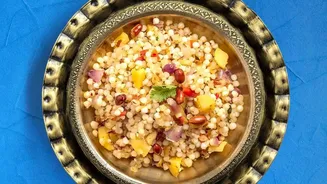


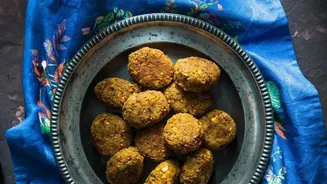

During fasting seasons, sabudana is a familiar sight. But among the khichdis and vadas, the sabudana paratha stands apart as a uniquely satisfying and clever culinary creation. So what makes this flatbread so different from all the others?
A Paratha Without Traditional Flour
The most fundamental
difference is its core ingredient. Unlike typical parathas made from wheat flour (atta), maida, or other grain-based flours, sabudana paratha is made from tapioca pearls (sago). These pearls are often roasted and ground into a fine powder, which is then used to form the dough. This makes the paratha naturally gluten-free, an excellent alternative for those with gluten sensitivities. The binding agent isn't water in the traditional sense, but mashed boiled potatoes. This combination of tapioca starch and potato creates a dough that is soft and pliable, yet entirely free of the grains that are often avoided during religious fasts.
The Unique Texture: Crispy and Chewy
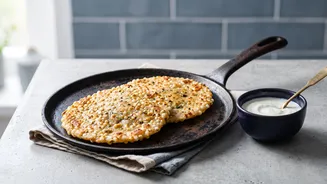
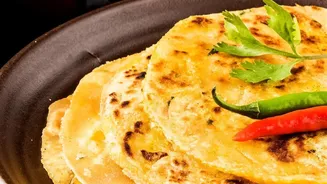
A standard wheat paratha can be soft, flaky, or layered, but sabudana paratha offers a completely different textural experience. When cooked on a hot tawa with ghee, it develops a delightfully crispy exterior while the inside remains soft and wonderfully chewy. This contrast is its signature feature. The chewiness comes from the gelatinized tapioca starch, while the crispiness is a result of shallow frying. Some recipes also include roasted and crushed peanuts in the dough, which adds another layer of crunch and a nutty flavour that sets it apart from the smoother texture of, say, an aloo paratha.
Engineered for Fasting Energy
Fasting foods are chosen for specific reasons, and sabudana is prized for its ability to provide quick energy. It is almost entirely composed of carbohydrates, which the body can easily convert into fuel to sustain energy levels throughout the day. While sabudana itself is low in protein and other nutrients, the paratha becomes a more balanced meal through its other ingredients. Boiled potatoes, the binding agent, add more carbohydrates and substance. The frequent addition of peanuts contributes much-needed protein and healthy fats, while spices like green chillies, cumin, and fresh coriander add flavour without breaking fasting rules. Rock salt (sendha namak) is used instead of regular table salt, adhering to traditional fasting customs.
A Different Preparation Method
Preparing sabudana paratha dough is quite different from kneading wheat flour. There is no extensive kneading required to develop gluten. Instead, the process involves mixing the ground sabudana, grated boiled potatoes, peanuts, and spices until a uniform, soft dough forms. This dough can be quite delicate and sticky. Because of this, rolling it out can be tricky. Many cooks use clever techniques like rolling the dough between two sheets of plastic or parchment paper to prevent it from breaking. It’s a gentle process, requiring a lighter touch than the robust rolling associated with multilayered wheat parathas.
A Comfort Food in a Class of Its Own
While dishes like sabudana khichdi and vada are staples, the paratha holds a special place. It combines the heartiness of a paratha with the specific ingredients permitted during a fast. It feels more like a complete meal than a snack, offering the comforting, satisfying feeling of eating a flatbread without breaking religious dietary restrictions. It serves as a delicious reminder of how culinary traditions adapt, creating dishes that are not just permissible but genuinely delightful. It's not just a substitute for a regular paratha; it’s a unique dish with its own distinct identity, enjoyed during fasts and increasingly, as a tasty gluten-free meal any time of the year.