




A Diplomatic Arrival
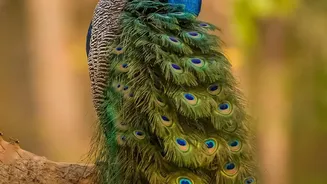
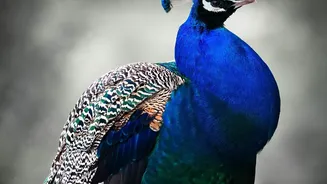
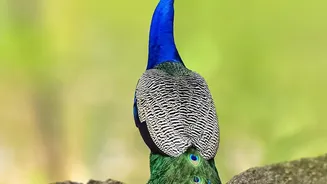
In a special ceremony, five young Indian peacocks were formally handed over to the United Nations Office at Geneva (UNOG). The group includes four classic blue peafowl and one striking, rare white male. India's Permanent Representative to the UN in Geneva,
Ambassador Arindam Bagchi, presented the birds to UNOG Director-General Tatiana Valovaya. The gesture was described as a moment of cultural celebration, reinforcing India's partnership with the UN. The peacocks will initially stay in a purpose-built aviary for three months to acclimatise before they are allowed to roam freely across the park's sprawling grounds.
A Tradition Revived
This gift is not the first of its kind; it revives a tradition started decades ago. In 1981, then-Prime Minister Indira Gandhi arranged for a breeding pair of peacocks to be sent from the Delhi Zoo to the UN in Geneva. This recent donation continues that legacy, strengthening a special connection between India and the iconic park. The presence of peacocks on the grounds of the Palais des Nations, the UN's complex, predates the UN itself. It is a tradition that connects modern diplomacy with the long history of the estate.
The Peacocks of Ariana Park
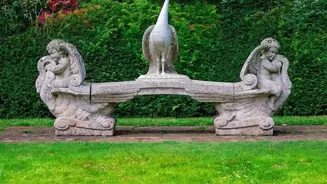
The UN headquarters in Geneva is situated within Ariana Park, an estate with a rich history. In the late 19th century, its owner, Gustave Revilliod, bequeathed the land to the city of Geneva with a few conditions. He asked that the park be named for his mother, Ariana, that he be buried on the grounds, and that his beloved peacocks be allowed to roam freely forever. Over the decades, these birds have become a living symbol of the Palais des Nations, witnessing countless diplomatic meetings and historical events. India's gift ensures this unique heritage continues for a new generation of diplomats and visitors.
More Than Just a Bird
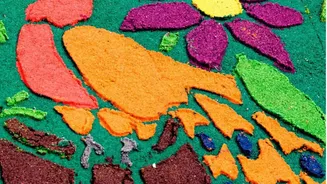
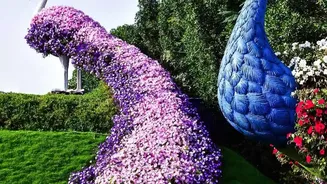
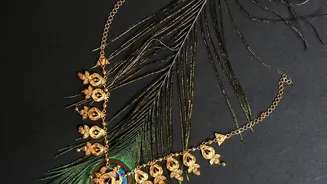
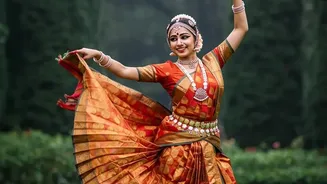
For India, the peacock, or 'Mayura', is a powerful symbol. Declared the national bird in 1963, it represents grace, beauty, and pride. The bird is deeply embedded in Indian culture and mythology. It is the vehicle of Lord Kartikeya, the god of war, and its feathers famously adorn the crown of Lord Krishna. The Indian Mission noted that the peacock symbolizes the nation's enduring commitment to conserving biodiversity and its cultural ethos. The choice of four blue and one white peacock was also a nod to the official blue and white colours of the United Nations itself, adding another layer of symbolic meaning to the gift.
The Art of Soft Power Diplomacy
This gesture is a classic example of 'soft power'—achieving influence through cultural attraction rather than coercion. In an era of complex global negotiations, acts of cultural diplomacy like this create goodwill and strengthen international ties in a memorable way. By gifting its national bird, India shares a piece of its living heritage, creating a vibrant and lasting impression of its culture at the heart of international diplomacy. The peacocks will serve as a daily reminder of India's presence and its commitment to multilateralism, adding a touch of natural beauty to the high-stakes world of global affairs.