






The Geological Connection
The controversy begins deep in the earth. Talc, the softest mineral on the planet, is prized for its ability to absorb moisture and reduce friction. It's mined from rock deposits, but it's not always alone. Geologically, talc and asbestos can form in the same
rock formations. Asbestos is a known carcinogen, and its fibers are linked to mesothelioma and other cancers when inhaled or ingested. The proximity of these two minerals during the mining process is the fundamental reason for the contamination risk. Plaintiffs in lawsuits allege that the talc used in Johnson & Johnson's products was not properly purified, allowing asbestos fibers to end up in the final consumer product.
The Heart of the Dispute
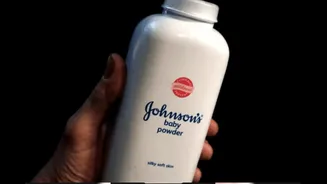
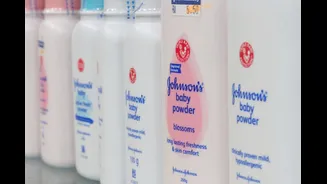
At the center of more than 60,000 lawsuits is a sharp disagreement over facts. Plaintiffs, many of whom are suffering from ovarian cancer or mesothelioma, claim that decades of using J&J's talc-based powders for personal hygiene led to their illness due to asbestos exposure. They argue that the company knew about the potential for asbestos contamination for decades and failed to warn consumers. Johnson & Johnson has consistently denied these allegations, maintaining that its talcum powder is safe, asbestos-free, and does not cause cancer. The company points to numerous studies it says support its position and has argued in court that the claims lack scientific merit.
A Complicated Legal Strategy
Faced with a deluge of lawsuits and some staggering jury verdicts, including one for over $2 billion, Johnson & Johnson pursued a controversial legal strategy. In 2021, the company used a divisive legal maneuver sometimes called the "Texas two-step." It created a new subsidiary, LTL Management, and transferred all its talc-related liabilities to it. LTL Management then immediately filed for bankruptcy, a move intended to halt the thousands of individual lawsuits and force claimants into a consolidated settlement process. However, federal courts rejected this and subsequent bankruptcy attempts, ruling that the subsidiary was not in the kind of financial distress that bankruptcy law is designed to protect.
The Path to Settlement
After its bankruptcy strategy failed multiple times, Johnson & Johnson shifted its approach back to negotiation. The company stopped selling talc-based baby powder in the U.S. and Canada in 2020, and globally in 2023, switching to a cornstarch-based formula, while still maintaining the product's safety. In July 2026, after years of litigation, J&J announced it had reached a proposed settlement valued at $5.5 billion to resolve the vast majority of the ovarian cancer claims. This followed an earlier resolution of most claims related to mesothelioma. The deal, which requires acceptance by at least 95% of claimants, is designed to bring an end to one of the largest mass tort litigations in corporate history.