





Understanding the Whole-Foods Approach
Before diving into our top vegetable picks, let's clarify what a whole-foods diet means. It’s not a strict diet plan but rather a lifestyle focused on eating foods in their most natural state. This means prioritising fruits, vegetables, whole grains,
and legumes while minimising processed items that contain added sugars, unhealthy fats, and chemical preservatives. The benefits are numerous: whole foods are packed with fibre, vitamins, and minerals that support heart health, aid digestion, and can even help with weight management. They fuel your body with quality nutrients, providing sustained energy and supporting a healthy gut microbiome. Root vegetables are champions in this category, as they are nutrient-dense, versatile, and satisfying, making them a perfect foundation for wholesome meals.
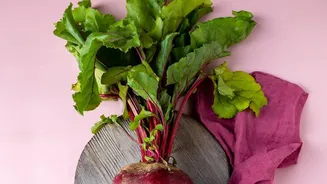
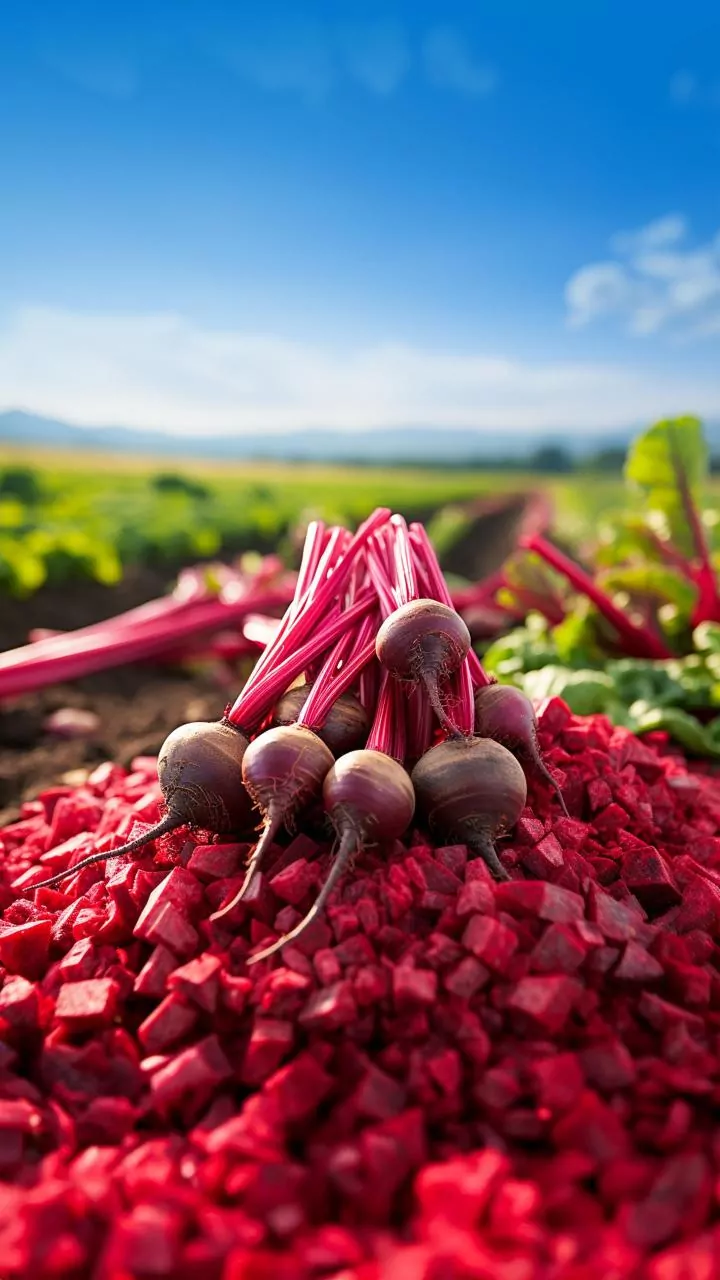
1. Beetroot: The Vibrant Powerhouse
Known for its stunning colour, beetroot is a nutritional giant. It's rich in essential vitamins, minerals, and potent antioxidants called betalains, which help fight inflammation and cellular damage. Beetroots are also a fantastic source of dietary nitrates, which the body converts into nitric oxide. This compound helps relax blood vessels, potentially lowering blood pressure and improving circulation. Its high fibre content promotes digestive health and helps you feel full longer, curbing cravings for processed snacks. In the Indian kitchen, beetroot is incredibly versatile. Enjoy it grated in a refreshing raita, lightly sautéed as a sabzi with mustard seeds and curry leaves, blended into a vibrant soup, or even added to dough for colourful rotis.
2. Carrot: The Versatile Classic
The humble carrot is a whole-foods staple for good reason. It's famously packed with beta-carotene, an antioxidant that your body converts into Vitamin A. This nutrient is vital for maintaining healthy vision, supporting a strong immune system, and promoting skin health. Carrots are also a great source of fibre, which aids in digestion, helps regulate blood sugar levels, and contributes to heart health by helping manage cholesterol. Their natural sweetness makes them a satisfying snack raw, but their culinary uses are endless. From the classic Gajar ka Halwa (made with healthier swaps like jaggery) to simple stir-fries, shredded salads, and hearty additions to lentil dals and vegetable curries, carrots add flavour, texture, and nutrition to any dish.
3. Sweet Potato (Shakarkandi): The Comforting Energiser
Sweet potatoes, or Shakarkandi, are a delicious way to enjoy complex carbohydrates that provide steady energy without the crash associated with processed carbs. They are an excellent source of fibre, which aids in digestion and promotes a feeling of fullness. Like carrots, they are loaded with beta-carotene, which provides a massive boost of Vitamin A, alongside significant amounts of Vitamin C and manganese. These nutrients support immune function and protect the body from free radical damage. Sweet potatoes can lower 'bad' LDL cholesterol and have compounds that help control blood sugar. While often enjoyed roasted on the streets in winter, they are also perfect for making baked wedges, creamy soups, wholesome sabzis, or even as a base for healthy tikkis and cutlets.
4. Radish (Mooli): The Peppery Detoxifier
Radish, particularly the white variety known as Mooli, is a crunchy, peppery vegetable celebrated for its health benefits. It is low in calories but high in fibre and Vitamin C, making it excellent for digestion and immunity. Radishes act as a natural detoxifier, supporting liver and kidney function by helping to flush out toxins from the body. They also have hydrating properties due to their high water content. While Mooli parathas are a beloved classic, this root can be used in many other ways. Add it thinly sliced to salads for a zesty crunch, grate it into sambar or dal for a unique flavour, or lightly cook it as a simple sabzi with turmeric and other spices. The leaves are also edible and highly nutritious.
5. Turnip (Shalgam): The Underrated Gem
Often overlooked, the turnip, or Shalgam, is a nutritional powerhouse that deserves a place on your plate. It is low in calories but rich in fibre and Vitamin C, making it beneficial for both weight management and immune support. Turnips also provide essential minerals like potassium, which helps regulate blood pressure, and calcium for bone health. They contain compounds called glucosinolates, which have anti-inflammatory properties. Their flavour is mildly sweet and peppery, becoming more mellow when cooked. Shalgam is traditionally used in pickles and the famous Kashmiri dish, Nadru Yakhni. It can also be added to mixed vegetable curries, mashed with potatoes for a nutrient boost, or slow-cooked in stews and soups, where it absorbs flavours beautifully.