








The Science of Sweet and Salty
It might sound strange to add a savoury ingredient to a sweet treat, but there is fascinating science behind why it works so well. Salt is a natural flavour enhancer. On a chemical level, it interacts with our taste receptors in a unique way. Instead
of just adding a salty taste, a small amount of salt can actually suppress our perception of bitterness. Many complex sweet foods, including Biscoff with its deep caramel notes and even chocolate or coffee, have underlying bitter compounds. By muting this bitterness, salt allows the sweet flavours to come forward and seem more pronounced and well-rounded. This concept, sometimes called 'flavour layering' in professional kitchens, creates a more dynamic taste experience. Our brains are wired to appreciate both sugar for energy and salt for essential bodily functions, making the combination doubly pleasurable.
Putting It to the Test with Biscoff
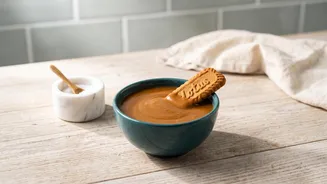
The single-note, intense sweetness of Biscoff makes it a perfect candidate for this salt-balancing act. The most popular way to enjoy this pairing is by adding a sprinkle of flaky sea salt on top of any dessert that features the spread. Imagine a cheesecake with a Biscoff topping or a simple cookie butter cookie; a few crystals of sea salt on top not only provide a satisfying textural crunch but also cut through the richness. This contrast prevents the flavour from becoming cloying and highlights the spiced, caramelised notes of the cookie butter. Many recipes for Biscoff-based treats, from muffins to cookies, now explicitly include salt in the batter or as a finishing touch to achieve this perfect balance. The effect is transformative, turning a simple sweet treat into something that feels more gourmet and complex.
Beyond Biscoff: Real-World Uses
This principle isn't limited to just one trendy cookie spread. It's a fundamental kitchen hack that can elevate many of your favourite foods. Have you ever noticed that the best chocolate chip cookie recipes always call for salt? It's there to draw out the richness of the chocolate. The same logic applies to other real-world uses. A tiny pinch of salt in your morning coffee can reduce its bitterness. Adding a sprinkle to fresh fruit, like strawberries or watermelon, can make their natural sweetness pop. It even works wonders in hot chocolate, salted caramel sauces, and fruit pies, where it balances the sugar and enhances the core flavours. The goal is never to make the dish taste salty, but to use salt as a tool to make other ingredients taste more like themselves.
How to Get the Balance Right
Mastering this technique is all about subtlety and starting small. You can always add more, but you can't take it away. For finishing desserts like Biscoff-topped cakes or cookies, a finishing salt like flaky sea salt (such as Maldon) or fleur de sel is ideal. These salts have a delicate, crunchy texture and a clean flavour that adds a final flourish without being overpowering. When incorporating salt into a batter or dough for things like cookies or muffins, it's important to use the correct type. Fine table salt is denser than coarser kosher salt, so measuring by weight is the most accurate method if you're serious about baking. As a general rule for desserts, a little goes a long way. Start with a tiny pinch, taste, and adjust until the flavours feel balanced and vibrant, not salty.