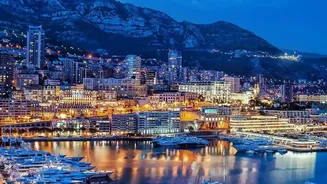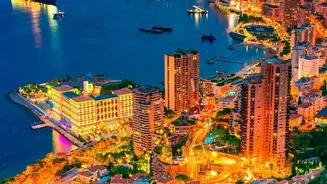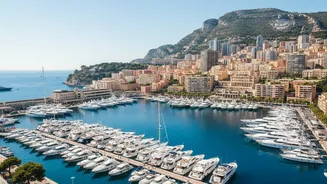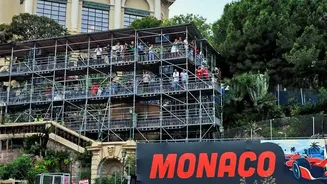








The Zero-Income-Tax Promise
For residents of the tiny European principality of Monaco, the concept of filing annual income tax returns is a foreign one. Since 1869, Monaco has not levied any personal income tax, which also means no tax on capital gains, dividends, or investment
income for its residents. This long-standing policy has cemented its status as a premier global tax haven, attracting high-net-worth individuals from around the world. The rule is simple: if you are a resident of Monaco (with the notable exception of French citizens under a specific treaty), your personal income is not taxed. This stands in stark contrast to India's system, where income tax is a primary source of government revenue used to fund public services and infrastructure for over a billion people.
So, How Does the Government Pay Its Bills?
If no one pays income tax, how does Monaco afford its pristine streets, high security, and public services? The state has a diversified revenue model. A significant portion, estimated at around 50%, comes from Value Added Tax (VAT). Monaco is part of a customs union with France and applies the French VAT system, with a standard rate of 20%. This tax on goods and services, especially on luxury items, generates substantial income from wealthy shoppers and tourists. Another major source is corporate tax. While companies that operate purely within Monaco are generally exempt, businesses that derive more than 25% of their revenue from outside the principality are subject to a 25% tax on profits. The state also earns significant revenue from its own enterprises, including the world-famous Monte Carlo Casino, and from real estate transactions.
The True Cost of Paradise
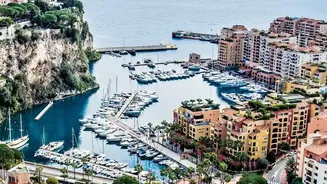
While the absence of income tax is alluring, living in Monaco comes with its own set of steep costs. The biggest barrier to entry is real estate. Monaco is one of the most expensive property markets in the world, with extremely limited space driving prices to astronomical levels. The average rent for a simple one-bedroom apartment in the city centre can exceed $7,800 (over ₹6.5 lakhs) per month. Beyond housing, the general cost of living is exceptionally high. A monthly budget for a single person, including rent, is estimated to be around €6,400 to €7,800 (₹5.7 to ₹6.9 lakhs). Becoming a resident also requires proving you have sufficient financial means, which typically involves depositing at least €500,000 in a local bank. So while you save on taxes, the entry ticket and daily expenses are among the highest on the planet.
Life Beyond the Super-Rich
It's a common misconception that Monaco is exclusively populated by billionaires. While it is a magnet for the ultra-wealthy, its residents also include successful entrepreneurs, top athletes, and professionals in fields like finance. They are all drawn by the combination of financial benefits, security, and a high quality of life. However, it’s not a completely tax-free existence. Residents still pay social security contributions, and there are other taxes to consider. For example, inheritance tax applies to assets located within Monaco, although transfers to direct descendants and spouses are exempt. For others, the rates can range from 8% for siblings to 16% for unrelated persons. Additionally, a 1% tax is levied on registered rental agreements. These duties, while minor compared to income tax, are part of the principality's fiscal structure.