



An Epic Journey Against All Odds
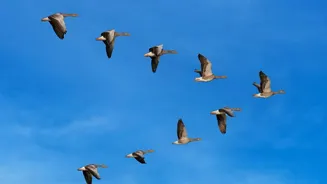
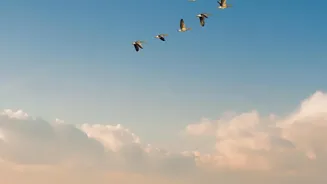
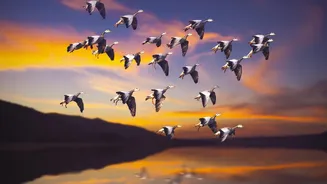
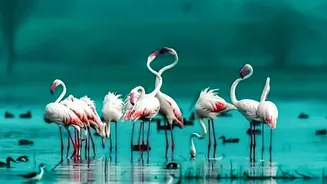
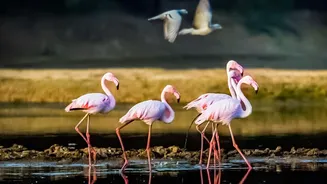
Bird migration is one of nature's most extraordinary feats. Species like the Bar-headed Goose fly from their Central Asian breeding grounds over the Himalayas to winter in India, reaching altitudes where oxygen is scarce. These journeys, which can span
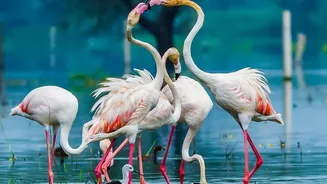
continents, are not flown in a single stretch. Birds rely on a network of specific stopover sites—wetlands, coastal mudflats, forests, and grasslands—to rest, refuel, and shelter from predators. These sites are not merely convenient; they are critical for survival. India is a crucial destination, positioned at the heart of the Central Asian Flyway, a major migratory route used by over 600 bird species. Our wetlands, from Chilika Lake in Odisha to Keoladeo National Park in Rajasthan, serve as essential wintering homes and refuelling stations.
The Vanishing Oases
The primary threat to these avian travellers is the loss and degradation of their habitats. Human development is the main driver, as the very areas that appeal to birds for their resources are often desirable for human settlement and industry. Across India and South Asia, wetlands are being drained for agricultural expansion and rapid urbanisation. Coastal areas and mudflats, crucial for shorebirds, are being converted into salt pans, shrimp farms, or developed for infrastructure. Pollution from industrial and urban waste contaminates the water, killing the small invertebrates and aquatic plants that form the birds' dietary base. As a result, birds arriving after an exhausting journey find their resting places choked with waste or simply gone altogether.
A Crisis Unfolding in Our Backyard
This global issue has profound local consequences. In India, many key habitats are under immense pressure. Keoladeo National Park, a UNESCO World Heritage Site, faces challenges from water scarcity and invasive species. In cities like Bengaluru and Delhi, lakes that once hosted flocks of migratory birds are now victims of sewage inflow and toxic pollution. In West Bengal, the widespread use of mist nets for hunting poses a direct threat to birds during their stopovers. Even seemingly harmless activities like tourism and boating can cause significant disturbance, preventing exhausted birds from resting and conserving the energy they desperately need to complete their journeys. The cumulative effect is a fragmented and unreliable network of safe havens, turning a predictable journey into a high-stakes gamble for survival.
The Ripple Effects of Loss
The disappearance of these resting grounds does more than just endanger birds; it unravels entire ecosystems. Migratory birds are vital ecological actors. They control pests, pollinate plants, disperse seeds, and cycle nutrients between distant environments. Their decline has a cascading effect. The State of India's Birds 2023 report highlighted that long-distance migrants have declined by over 50%, with some groups like Arctic-breeding shorebirds falling by nearly 80%. This loss is a stark indicator of the health of our wetlands and grasslands. When these vital ecosystems are degraded to the point that they can no longer support visiting birds, it signals a broader environmental crisis that affects water quality, flood control, and the livelihoods of communities dependent on them.
A Path Toward Coexistence
Despite the alarming trends, there is still hope. Conservation efforts are underway, from international agreements like the Convention on Migratory Species to national action plans aimed at protecting habitats along the Central Asian Flyway. In Nagaland, a community that once hunted Amur falcons en masse now protects them, turning a tragedy into a celebrated conservation success story. Grassroots organisations across the country are working to remove nets, restore habitats, and raise awareness. These efforts show that change is possible when communities, governments, and conservationists work together. Protecting these stopover sites requires recognising wetlands not as wastelands, but as living ecosystems that are critical for both wildlife and people.