



The Rise of the Skin Barrier
If 'skin barrier' has suddenly appeared everywhere in your beauty feed, you're not alone. This term refers to the outermost layer of our skin, the stratum corneum. Think of it as a wall made of skin cells (the bricks) held together by lipids like ceramides
(the mortar). A healthy barrier is crucial; it locks in moisture and protects against external aggressors like pollution, UV rays, and bacteria. In India, factors like extreme heat, humidity, and hard water make maintaining this barrier a daily challenge. When it's compromised, you get sensitivity, redness, dryness, and irritation—symptoms many mistake for other issues.
Pushback Against Overload
The new focus on barrier health is a direct reaction to a period of skincare maximalism. Inspired by multi-step global trends, many routines became packed with potent, and often harsh, exfoliating acids, high-concentration serums, and aggressive treatments. While these products have their place, overusing or incorrectly layering them can strip the skin, leading to a damaged barrier. Indian consumers and dermatologists are now observing a significant shift away from this approach, recognizing that for skin constantly battling environmental stressors, a complicated routine can do more harm than good.
Skinimalism: The New Mantra
In place of a ten-step routine, 'skinimalism' has become the new standard. This philosophy champions using fewer, more effective products that serve a clear purpose. It's about getting back to basics: a gentle cleanser, a targeted serum, a nourishing moisturiser, and—non-negotiably—sunscreen. This simplified approach not only supports barrier health but is also better suited to Indian climates, where heavy layers can feel uncomfortable and clog pores. The trend reflects a move toward more mindful consumption, with users wanting to understand what they are putting on their skin and why.
The Gentle Giants of Skincare
This gentle revolution is powered by a few hero ingredients. Ceramides are at the forefront, known for their ability to repair and reinforce the skin's natural 'mortar'. Niacinamide, a form of Vitamin B3, has also become a superstar for its versatility; it strengthens the barrier, controls oil, and tackles uneven skin tone—a primary concern for Indian skin. Alongside these, ingredients like hyaluronic acid for hydration and soothing botanicals such as Centella Asiatica are gaining popularity. These ingredients are celebrated not for aggressive, fast results, but for their ability to gently nurture the skin back to health.
A Modern Return to Roots
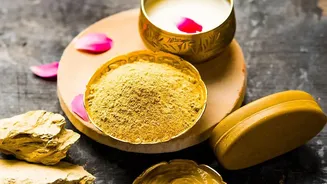
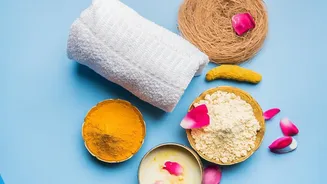
In many ways, this trend marries modern dermatological science with traditional Indian wisdom. Ancient practices like Ayurveda have long emphasized balance and the use of natural, gentle ingredients. The current movement isn't about abandoning science; rather, it's about using scientific knowledge to validate and enhance a philosophy of gentle, holistic care. Consumers are now more educated than ever, thanks to access to information and 'derm-influencers' on social media, allowing them to make informed choices that prioritize the long-term well-being of their skin. This shift represents a more mature, confident, and ultimately, healthier approach to beauty.